
Vandaag of morgen in huis

Kwaliteit gegarandeerd

Welkomstaanbiedingen ontgrendelen: GRATIS bezorging | Tot 80% korting | Gratis 30 dagen JoyPlus-proefperiode
Download de app
Buying a collagen supplement might seem straightforward, until you look at the differences between powders, sticks, tablets and shots. The amount of collagen per serving varies widely. Origin, allergens, sweeteners and ease of use also determine whether a product fits into your daily routine.
Pay particular attention to three common pitfalls:
Collagen can come from cows, fish or other animal sources. Bovine collagen is often processed into collagen peptides and suits users who want to avoid fish ingredients, as long as no other allergens cause a problem. Fish collagen or marine collagen comes from fish and must therefore be clearly treated as an allergen.
Also look out for the term hydrolysed collagen. This generally means the collagen has been broken down into smaller peptides. Additionally, check whether the label states the amount of collagen per recommended serving. A claim such as "collagen for skin, hair and nails" mainly describes the intended use; it is not a promise about your personal results.
Compare products based on the daily serving, not just on the number of tablets or the weight of the pack. Examples from the range:
These amounts cannot be compared directly without looking at the recommended daily dosage and the total cost per day.
Choose a form you will actually use consistently:
If you are looking for collagen without sugar, check the nutritional information per serving. "No added sugars" is not always the same as zero sugar. Some products use sucralose or other sweeteners, for example.
If you have allergies, always check the packaging. Marine varieties contain fish; some bovine collagen products may contain milk according to the product information. A "vegan collagen" product may in practice be a plant-based formula or, as with Lucovitaal Super Vegan Collagen, contain collagen from egg white. So read the ingredients list rather than just the product name.
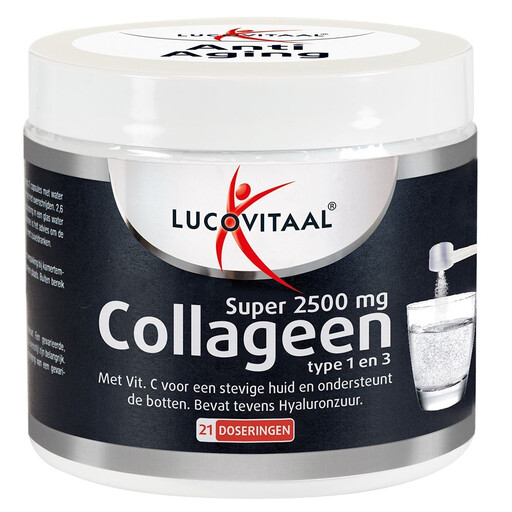
Why this suits the profile: A compact collagen powder with 21 doses, vitamin C and hyaluronic acid. Handy for adults who want to try a simple daily routine first.
The packaging states the number of doses and the amount per serving, so you don't have to rely solely on the total weight.
2,500 mg collagen peptides, 60 mg vitamin C and 20 mg hyaluronic acid per daily serving according to the product information.
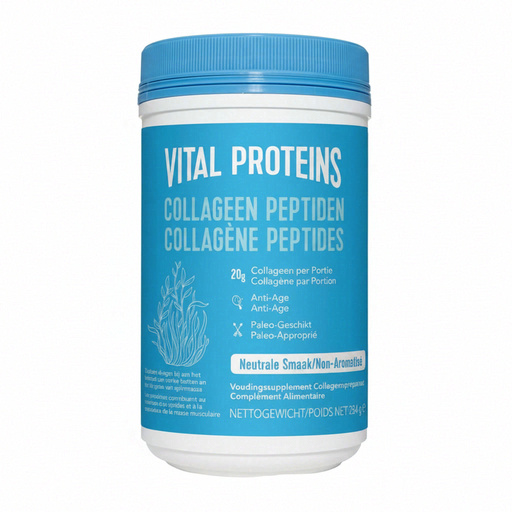
Why this suits the profile: For users looking for an unsweetened, neutral formula with a high amount of bovine collagen per serving.
According to the product information, the formula consists of bovine collagen peptides, with no flavourings. The serving size and 14 doses are clearly stated.
20 grams of collagen peptides per serving, 18 grams of protein and suitable for hot and cold drinks or food.
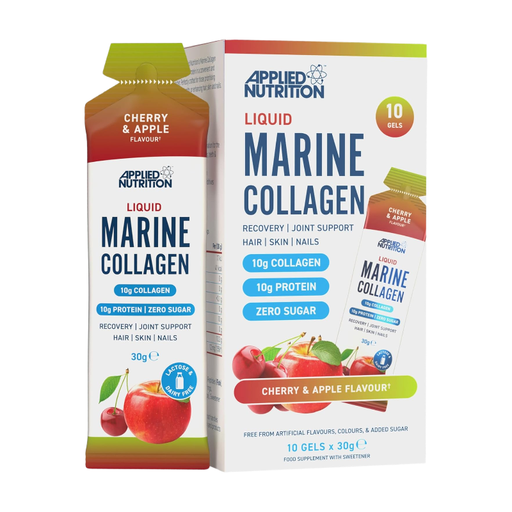
Why this suits the profile: A ready-to-use choice for active users and people who don't want to measure or mix powder on the go.
Each sachet is a pre-measured serving. This avoids unclear scoops or extra preparation. The product does contain fish and must therefore be avoided if you have a fish allergy.
10.3 grams of hydrolysed marine collagen, 10 grams of protein and 12 mg of vitamin C per serving; according to the product information, 0 grams of sugar and fat.
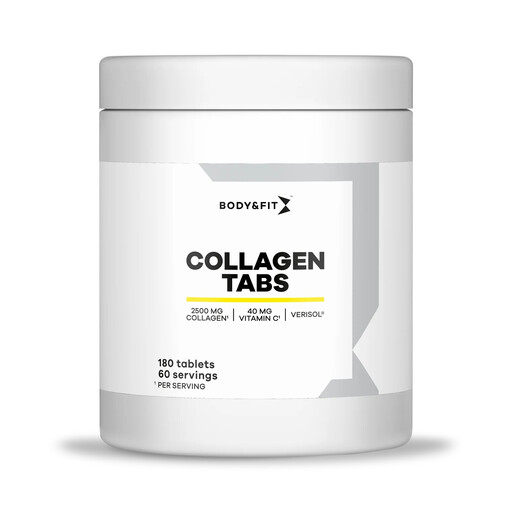
Why this suits the profile: A tablet formula for adults who prefer a fixed dosage without flavour, shaker or a designated drink time.
The recommended daily amount is three tablets. This makes the actual daily dosage more transparent than just the total number of tablets on the pack.
2.5 grams of Verisol collagen and 40 mg of vitamin C per daily serving, with 180 tablets and 60 servings according to the product information.
We have put together a full, up-to-date list of products that fully meet these strict selection criteria and comply with current European safety regulations.
First, look at the origin, the amount of collagen per day and any added vitamin C. According to the European health claim, vitamin C contributes to normal collagen formation and the normal function of the skin. This says nothing about a guaranteed cosmetic result. Above all, choose a product whose dosage and ingredients match your preferences.
No. Marine collagen comes from fish, and products such as Applied Nutrition Marine Collagen and the Lucovitaal Marine Effervescent Tablets list fish as an allergen. If you have an allergy, always check the current packaging, including warnings about possible cross-contamination.
Follow the recommended daily dosage and the storage instructions on the label. A supplement does not replace a varied diet and a healthy lifestyle. If you are pregnant, breastfeeding, taking medication or have a medical condition, consult a doctor or other healthcare professional before use.
