
Vandaag of morgen in huis

Kwaliteit gegarandeerd

Welkomstaanbiedingen ontgrendelen: GRATIS bezorging | Tot 80% korting | Gratis 30 dagen JoyPlus-proefperiode
Download de app
A collagen supplement may seem easy to choose at first glance. Yet products vary considerably in their source, quantity, convenience and added ingredients. For example, an inexpensive tub may contain very little collagen per serving, while with a liquid product, you are often primarily paying for convenience.
If you are looking for collagen to support your skin, hair and nails, joints or an active lifestyle, it is worth comparing the label first. Below are the key points to consider, along with several product choices for different usage scenarios.
A 300-gram package may appear good value, but the number of servings and the amount of collagen per serving are more important. A product may come in a large package while providing a relatively small recommended daily amount.
Compare the following:
Some labels state a high protein content, but that does not automatically mean the product contains the same amount of collagen. Check whether the label separately lists collagen peptides, collagen hydrolysate or hydrolysed collagen.
For example, according to the product information, Vital Proteins Collagen Peptides Natural contains 20 grams of bovine collagen peptides per serving and 18 grams of protein. These are two separate declarations on the same label.
A formula containing vitamin C, hyaluronic acid, biotin or MCT oil may be appealing, but not everyone needs additional ingredients. Also check sweeteners, flavourings and allergens.
Marine collagen is derived from fish, making it unsuitable for people with a fish allergy. A product based on eggshell membrane is also not vegan, even though it is sometimes presented as an alternative to animal-derived collagen. Always check the current packaging and ingredients list.
The source primarily determines whether a product fits your dietary preferences and allergy requirements:
Collagen powder is practical if you want to use a larger daily amount and mix the product into coffee, water, yoghurt or a smoothie. Tablets are easier to carry, but achieving the same quantity may require several tablets.
A liquid product, such as liquid collagen in sachets, requires no mixing. On the other hand, flavourings, preservatives and sweeteners are more commonly part of the formula.
Some products contain collagen with vitamin C. The authorised nutrition claim for vitamin C is that it contributes to normal collagen formation for the normal function of, among other things, the skin, bones and cartilage. This does not mean that every collagen product will deliver visible results.
Use brand claims with appropriate care. Claims relating to skin, hair, nails or joints are not a guarantee of an individual result. According to the manufacturer’s product information, a product may be marketed for a particular purpose; that is different from having a medical effect.
If you follow a keto or paleo diet, check the carbohydrate, sugar and any added fat content. A formula containing MCT oil may fit such a dietary pattern, but it does contain calories. As with any supplement, the recommended dosage remains the guiding limit.
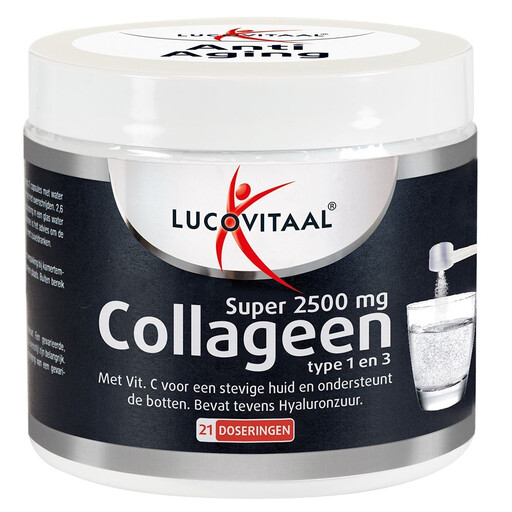
Why This Fits Their Persona: A compact collagen powder pack for adults who want to start with a modest amount and mix it daily with water or fruit juice.
The packaging separately lists 2,500 mg collagen peptides, 60 mg vitamin C and 20 mg hyaluronic acid per serving. This lets you assess the formula instead of relying solely on marketing language.
21 servings, powder format and a clearly stated 2.6-gram serving.
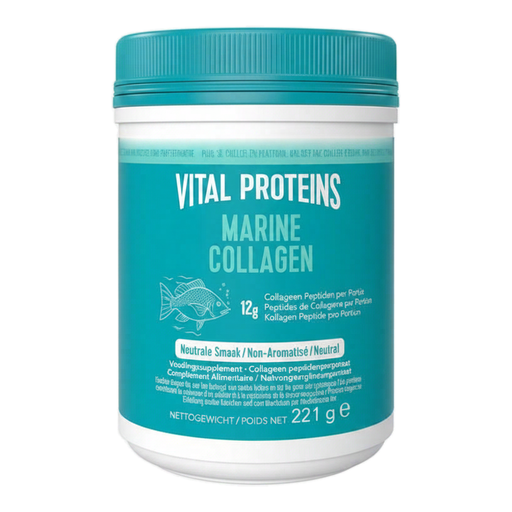
Why This Fits Their Persona: For shoppers specifically seeking marine collagen with a neutral taste for coffee, smoothies or cold drinks.
The product information specifies the source: fish collagen peptides. This clearly distinguishes it from bovine collagen and helps prevent an unsuitable choice for anyone with a fish allergy.
12 grams of collagen per serving, 221 grams of product, gluten-free and lactose-free according to the product details.
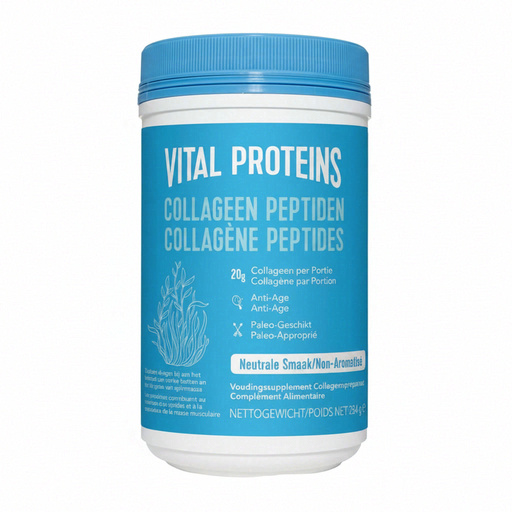
Why This Fits Their Persona: A natural choice for active adults who want to incorporate a larger serving of collagen peptides into their daily routine.
According to the label, the formula contains bovine collagen peptides as its ingredient. This avoids unnecessary additions and keeps the dosage easy to understand.
20 grams of collagen peptides per serving, 14 servings and suitable for hot and cold drinks or food.
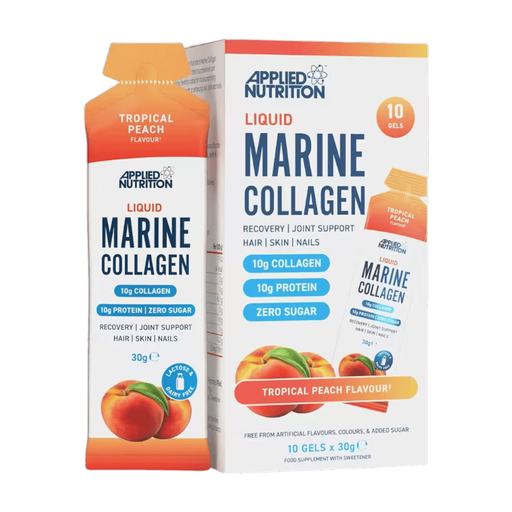
Why This Fits Their Persona: For anyone who wants to take a liquid collagen product to the office, gym or on the go without mixing powder.
Each serving is pre-measured at 30 grams. The ingredients list also identifies fish as an allergen, along with the sweetener, flavourings and preservatives present.
10.3 grams of hydrolysed marine collagen per sachet, 12 mg vitamin C and 0 grams of sugar per serving according to the product information.
Browse a current selection of products and compare format, ingredients and daily dosage for your specific needs.
Follow the serving instructions on the packaging. Many products are mixed into approximately 200 to 250 ml of water, coffee, a smoothie or other food. Mix the powder thoroughly and do not exceed the recommended daily amount.
No. A product containing marine collagen is derived from fish. Also check warnings regarding possible cross-contamination. If in doubt, choose a product from a different source or seek advice from a healthcare professional.
That depends on the number of servings and the daily portion. A 284-gram pack containing 14 servings lasts approximately two weeks when used daily. Tablets and sachets often state the number of servings directly, making it easier to compare usage duration and cost per day.
