
Vandaag of morgen in huis

Kwaliteit gegarandeerd

Welkomstaanbiedingen ontgrendelen: GRATIS bezorging | Tot 80% korting | Gratis 30 dagen JoyPlus-proefperiode
Download de app
Collagen powder may seem simple to choose, but the differences between products are significant. One supplement may contain collagen peptides only, while another also includes vitamin C, hyaluronic acid, MCT or sweeteners. The source also varies, from bovine to marine collagen.
If you focus only on a striking claim or low price, you may end up buying a product that does not suit your daily routine. Pay particular attention to these three common pitfalls:
A collagen supplement does not replace a varied diet or healthy lifestyle. The information below is based on the product specifications and usage instructions provided with the products. Always check the current label before purchasing.
Collagen peptides are generally hydrolysed collagen proteins. The label should clearly state how much collagen is present per recommended serving. Do not look only at the total weight of the pouch or tub.
For example, a 284-gram pack may contain 14 servings of 20 grams. According to the product information, Vital Proteins Collagen Peptides Natural contains 20 grams of bovine collagen per serving and 18 grams of protein per serving. Vital Proteins Marine Collagen contains 12 grams of collagen per serving, with 18 servings in a 221-gram pack.
A smaller pack of sachets can be convenient when you are on the go, but it does not automatically offer less value per serving. Compare the price based on:
Bovine collagen comes from cattle. This is a practical choice if you are looking for an unflavoured collagen powder and do not want to use fish ingredients.
Marine collagen comes from fish. Applied Nutrition Marine Collagen provides 10 grams of marine collagen per 12-gram sachet. According to the product information, the Strawberry & Raspberry, Cherry & Apple and Strawberry Lemonade variants also contain 500 mg of vitamin C per serving.
Marine collagen is not suitable for people with a fish allergy. Also check the warnings for possible traces of milk, soya, egg, celery or cereals containing gluten. Allergen information may vary between variants.
Collagen with vitamin C is popular because, according to the authorised nutrition claim, vitamin C contributes to normal collagen formation. This does not mean that a product treats skin, hair or joint problems. It is a food supplement intended to be used as part of a normal diet.
Other formulas contain hyaluronic acid and collagen, such as Lucovitaal Collagen Powder. The stated daily serving contains 2,500 mg of collagen peptides, 60 mg of vitamin C and 20 mg of hyaluronic acid. According to the product description, Sinnippai Hyaluronic Acid + Collagen contains 2,457 mg of collagen peptide powder per serving, supplemented with hyaluronic acid and vitamin C, among other ingredients.
When assessing additional ingredients, pay attention to the following:
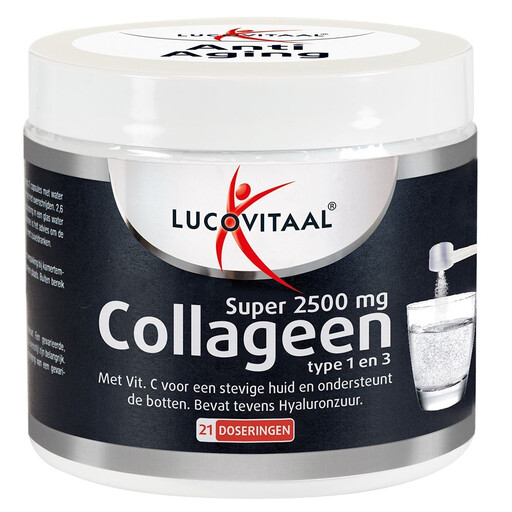
Why it suits this profile: The pack contains 21 servings of 2.6 grams. This makes it a straightforward option for anyone wanting to try collagen powder without immediately buying a large tub.
The amount of collagen, vitamin C and hyaluronic acid is stated per serving. This means you do not have to rely solely on the net weight.
21 servings; with 2,500 mg of collagen peptides, 60 mg of vitamin C and 20 mg of hyaluronic acid per recommended dose.
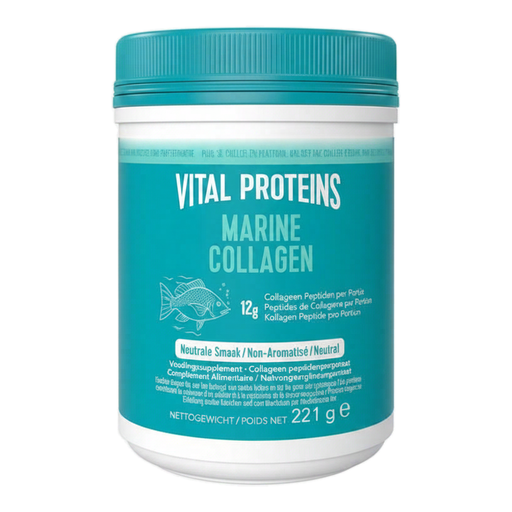
Why it suits this profile: According to the product information, this marine collagen comes from white fish and contains 12 grams of collagen per serving. Its neutral flavour works well in hot and cold drinks.
The fish source and the presence of fish as an allergen are clearly stated. This avoids confusion between marine and bovine collagen.
18 servings; 12 grams of collagen per serving; gluten-free and lactose-free according to the product information.
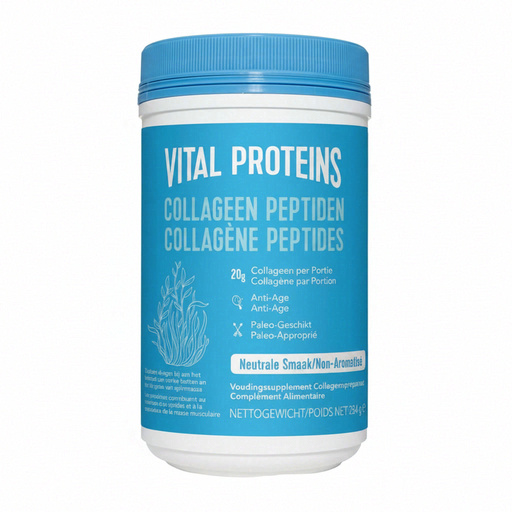
Why it suits this profile: According to the label, the formula combines hydrolysed bovine collagen peptides with MCT from coconut oil and is intended for adults following a keto or paleo diet.
According to the label, the formula consists of bovine collagen peptides. No flavourings or complex blends are needed to determine the daily serving.
20 grams of collagen per serving; unflavoured; can be mixed with hot or cold drinks and food; gluten-free according to the product information.
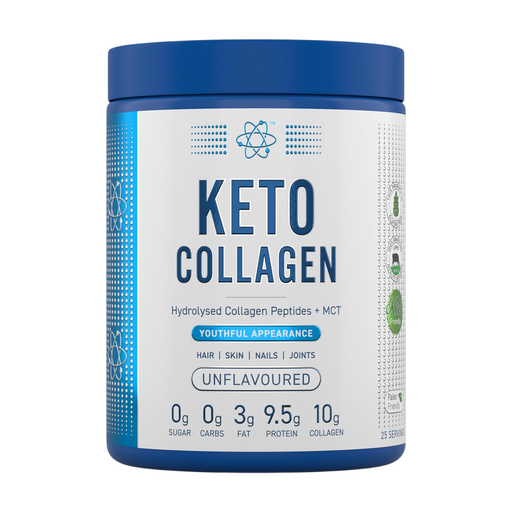
Why it suits this profile: According to the label, the formula combines hydrolysed bovine collagen peptides with MCT from coconut oil and is intended for adults following a keto or paleo diet.
The nutritional values state 0 grams of sugar and 0 grams of carbohydrates per serving. At the same time, each serving contains 3 grams of fat from MCT, which is important for making a fair comparison.
325 grams of powder; unflavoured; 10 grams of hydrolysed collagen and 3 grams of MCT per serving according to the stated nutritional information.
We have put together a complete, up-to-date list of products that fully meet these strict selection criteria and the applicable European safety regulations.
The recommended dosage varies by product. Vital Proteins, for example, states a maximum of 20 grams per day, while Lucovitaal recommends 2.6 grams per day. Applied Nutrition Marine Collagen uses one 12-gram sachet per day.
Mix the powder according to the instructions on the pack with approximately 200 to 250 ml of water or another drink. An unflavoured collagen powder is suitable for coffee, tea, yoghurt, shakes and smoothies. With some marine collagen products, very cold water may cause clumping; liquid at room temperature may therefore be more practical.
Store opened packs tightly closed, in a dry place and away from direct sunlight. Do not exceed the recommended daily amount. If you are pregnant, breastfeeding, taking medication, have a medical condition or suffer from allergies, it is advisable to consult a doctor or other healthcare professional first.
Not necessarily. Some products contain vitamin C because this vitamin contributes to normal collagen formation. Choose a formula with vitamin C if it fits your diet, but also assess the amount of sweeteners, flavourings and allergens.
That depends on the dosage. According to the product information, a 284-gram pack with a daily serving of 20 grams contains 14 doses. A 54.6-gram tub with a 2.6-gram serving provides 21 doses. Always compare the number of servings rather than looking only at the weight.
Collagen sachets are practical for work, travel or exercise and provide a fixed serving. A large tub may be more convenient if you use the same dosage at home every day. With both options, check the amount of collagen per serving, the ingredients list and the packaging waste.
