
Vandaag of morgen in huis

Kwaliteit gegarandeerd

Welkomstaanbiedingen ontgrendelen: GRATIS bezorging | Tot 80% korting | Gratis 30 dagen JoyPlus-proefperiode
Download de app
As a Joybuy Product Recommendation Officer, I see daily how challenging it can be to choose a good collagen supplement. The packaging makes big promises, but what do you really need for firm skin? Many people spend money unnecessarily by falling for common marketing traps. Let's take a clear-eyed look at them so you can make an informed choice.
Before you add a jar of collagen powder to your cart, it's wise to be aware of a few misconceptions that can cost you money without delivering the desired results.
To avoid a bad purchase, there are a few objective specifications you can easily check on the label.
Not all collagen is the same. For optimal absorption by the body, it's best to choose hydrolyzed collagen or collagen peptides. This means the collagen molecules have already been "broken down" into smaller, more easily absorbable particles. A common daily dosage for visible skin support often ranges between 2,500 mg (2.5 grams) and 10,000 mg (10 grams). So, look closely at the amount of collagen per serving, not just the total content of the jar.
As mentioned, vitamin C is indispensable. It contributes to the formation of collagen, which helps to strengthen the skin from within. A good supplement will therefore always contain a relevant amount of vitamin C.
Another popular and beneficial addition is hyaluronic acid. This is a substance naturally found in our skin, known for its ability to retain moisture. A collagen with hyaluronic acid offers a more comprehensive approach to skin hydration and structure.
Based on objective product specifications, we have selected a few options that suit different preferences and budgets.
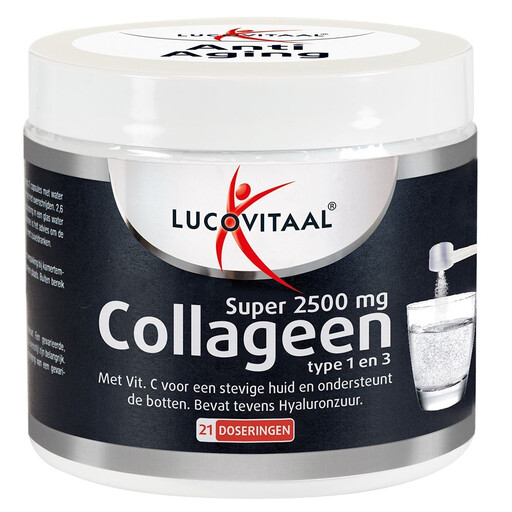
Why This Fits Their Persona: Ideal for those who want to start with a collagen supplement without immediately buying a large jar. This 21-dose package is an affordable way to discover if a collagen powder is right for you.
This is a pure collagen supplement, not a multivitamin. It delivers an effective dose of 2500 mg of collagen peptides and includes the essential co-factors vitamin C and hyaluronic acid.
Complete formula with 2500 mg collagen, 60 mg vitamin C, and 20 mg hyaluronic acid per serving. The perfect entry-level package.
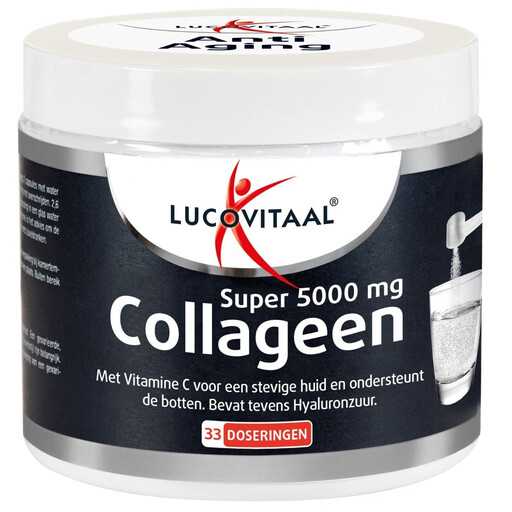
Why This Fits Their Persona: For those who want to get serious about skincare from within and are looking for a more potent dosage. This powder provides a substantial amount of collagen for more intensive support.
This product delivers a high, clearly stated dose of 5000 mg of collagen peptides. It's not a marketing gimmick but a formula focused on a noticeable contribution, complete with a generous amount of vitamin C.
High dosage of 5000 mg Bioactive Collagen peptides. Enriched with 120 mg vitamin C and 40 mg hyaluronic acid for a complete formula.
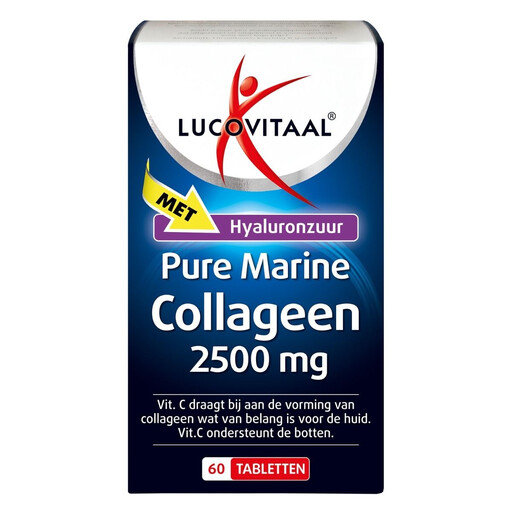
Why This Fits Their Persona: Perfect for those who want the benefits of collagen but without the hassle of mixing powders. These tablets are easy to take with a glass of water, at home or on the go.
Unlike many other tablets, these provide a solid dose of 2500 mg per daily serving (2 tablets). So you don't sacrifice effectiveness for convenience. The formula is complete with vitamin C and hyaluronic acid.
Contains 2500 mg marine collagen, which is a great alternative to bovine collagen. The daily dose also includes 80 mg vitamin C and 40 mg hyaluronic acid.
We have compiled a complete, up-to-date list of products that fully meet these strict selection criteria and our quality standards.
Experiences vary from person to person, as factors like age, lifestyle, and diet play a role. Manufacturers often state that with consistent daily use, the first effects on skin hydration and elasticity can become noticeable after 8 to 12 weeks. Patience and consistency are key.
Yes, you can. Hydrolyzed collagen powder is generally heat-stable and dissolves well in both cold and hot beverages. Adding it to your morning coffee, tea, or even soup is an easy way to incorporate it into your daily routine.
Bovine collagen (usually from cowhides) is rich in type I and III collagen, which are important for the skin, bones, and connective tissue. Marine collagen (from fish) consists mainly of type I collagen and has a slightly smaller particle size, which some sources claim may facilitate absorption. The choice between the two is often personal and can depend on dietary preferences or potential allergies. Both can be effective for supporting the skin.
