
Vandaag of morgen in huis

Kwaliteit gegarandeerd

Welkomstaanbiedingen ontgrendelen: GRATIS bezorging | Tot 80% korting | Gratis 30 dagen JoyPlus-proefperiode
Download de app
A collagen face mask may seem like a simple purchase, but the differences between sheet masks, hydrogel masks and overnight formulas are significant. One variety is used for 15 minutes, while another is worn for several hours. Terms such as “glass skin”, “firming” and “anti-ageing” also reveal little about the formula or how the product should be used.
If you want to make an informed choice, don’t just look at the packaging. Check the ingredients, wear time, number of masks per pack and any warnings. This helps you avoid buying an expensive product that doesn’t suit your skin type or daily routine.
Brands often associate collagen masks with firmer-looking skin, less visible fine lines or a more youthful appearance. These are not guaranteed results. According to the brand’s own research, some participants in a study involving 20 women experienced improvements in elasticity, firmness and appearance. This type of brand research provides context, but it does not automatically predict how your skin will respond.
Think of collagen in a mask primarily as part of a hydrating formula. Your overall experience also depends on other ingredients, such as glycerine, hyaluronic acid, panthenol and ceramides.
A classic sheet mask is often left on for 10 to 20 minutes. Some hydrogel masks, however, are designed to be worn for several hours or overnight. Leaving a mask on for longer than stated on the packaging is not automatically better. A dried-out sheet mask can feel uncomfortable and irritate sensitive skin.
That’s why you should check the recommended usage time before buying:
A box containing ten masks may seem like good value, but also consider the total product weight and storage requirements. Packs containing individual sachets are generally easy to organise and hygienic. A jar or large pack may be less convenient if you don’t use the product regularly.
For a first try, three to five masks are often enough. If you want to use a mask two to three times a week, it may be better to choose a pack of ten or a multipack.
A hydrating face mask often contains glycerine, hyaluronic acid or various forms of sodium hyaluronate. These ingredients help the skin retain moisture. Panthenol, allantoin and ceramides are often added to provide a comfortable skin feel.
The presence of collagen does not mean that a mask demonstrably changes the skin’s collagen production. Therefore, check the full ingredients list and make sure the product suits your preferences. If you have sensitive skin, it’s sensible to pay extra attention to fragrance, alcohol and potential allergens.
A hydrogel face mask usually fits closely to the skin and contains plenty of essence. This can be pleasant when you’re looking for intensive care. Sheet masks are often thinner and quicker to apply. A 3D mask is shaped to fit more closely around the nose, cheeks and chin.
A good fit helps prevent the mask from shifting during use. However, it’s still important not to use the mask on damaged or irritated skin.
Always check:
Stop using the product if you experience a burning sensation, redness, itching or swelling. Rinse your skin if necessary and consult a doctor or dermatologist if symptoms persist.
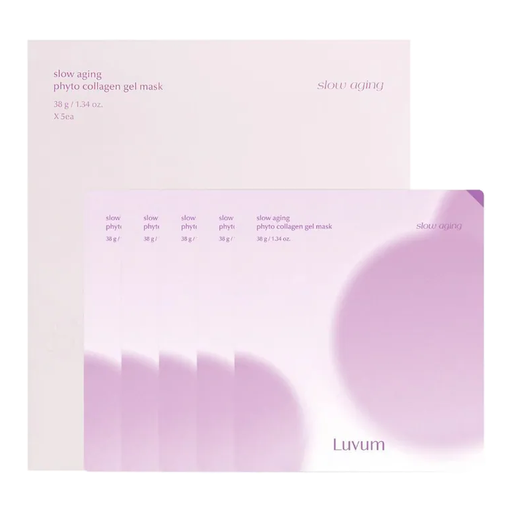
Why it suits this profile: One box contains 5 gel masks, with a recommended wear time of 15–20 minutes. This makes it a straightforward option for anyone trying a collagen face mask for the first time.
The short, clearly stated wear time helps prevent you from leaving the mask on unnecessarily long. The product description lists plant-based collagen, hyaluronic acid and glycerine.
5 individual gel masks; recommended use 2–3 times a week; contains glycerine and hyaluronic acid.
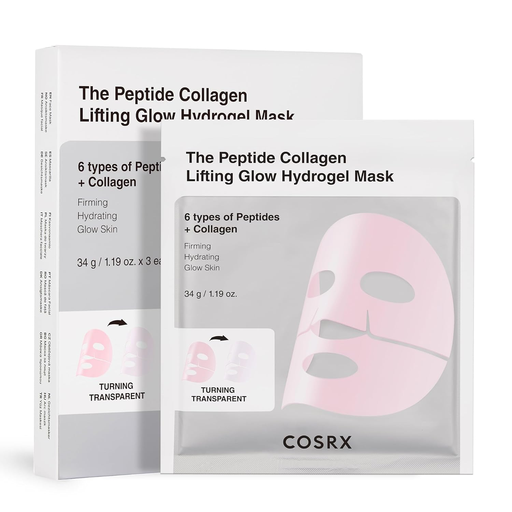
Why it suits this profile: This Korean face mask is designed for users who want to compare a comprehensive formula containing several moisture-binding and caring ingredients.
The product information states a wear time of 2–3 hours, until the mask becomes transparent. This makes it clear that it is not a standard 15-minute mask.
3 masks weighing 34 grams each; contains hyaluronic acid, ceramide and several peptides; according to the product information, it can also be worn overnight.
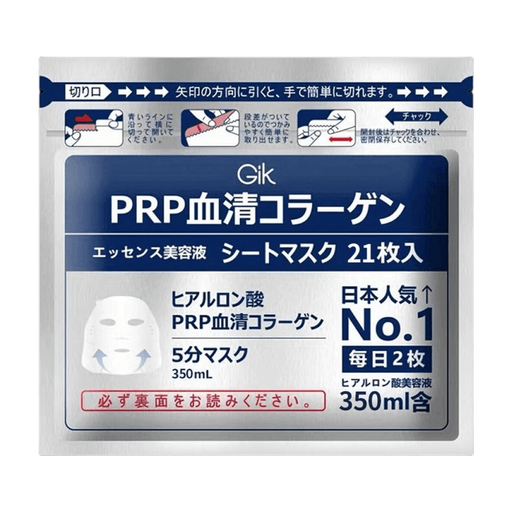
Why it suits this profile: The pack contains 21 masks, each with a recommended wear time of 5 minutes. This suits users who often want to fit a quick skincare step into their routine.
The large pack is intended for regular use, while the short application time prevents a lengthy, impractical routine. Check the listed fragrance if you prefer to avoid perfume.
21 individual masks; 5-minute wear time; formula with collagen, glycerine, niacinamide and sodium hyaluronate.
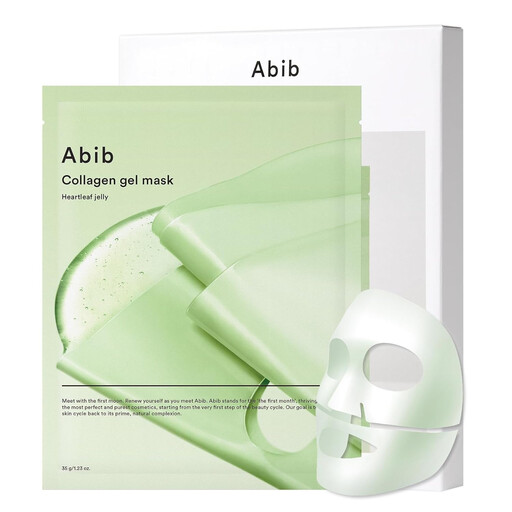
Why it suits this profile: Anyone looking for a vegan collagen mask will find a hydrogel option here featuring, according to the product listing, fermented yeast-based collagen, hyaluronic acid and heartleaf extract.
The product information specifies the type of collagen and mentions a V-Label certification. If in doubt, always check the packaging and the current ingredients list.
10 hydrogel sheets; ingredients such as hyaluronic acid and heartleaf extract; designed to provide a cooling and hydrating skincare experience.
We’ve put together a complete, up-to-date list of products that fully meet these strict selection criteria and the applicable European safety regulations.
A collagen sheet mask is generally an addition to your routine, not a replacement for daily sun protection or a regular moisturiser. A firming face mask may feel pleasant on mature or dull-looking skin, but you should primarily expect temporary hydration and a fresher appearance rather than a permanent change.
It depends on the formula. Many products recommend using them one to three times a week. An intensive hydrogel mask that is left on for several hours should not automatically be used more often than a lightweight sheet mask. Follow the instructions on the packaging and reduce use if irritation occurs.
It’s best to use an individual sachet immediately after opening. A used mask should not be applied again. For jars or larger packs, check the period after opening, expiry date and storage instructions on the packaging. Always close a jar securely and store the product in a cool, dry place away from direct sunlight.
Calculate the cost per use by dividing the pack price by the number of masks. A pack of 21 may work out cheaper per use, while a box of four or five masks is convenient for trying a formula first. Also compare the wear time and amount of product per mask, rather than looking only at the number of sheets.
