
Same-day & Next-day Delivery

Quality Guaranteed

Unlock Your Welcome Offers: FREE Delivery | Up to 80% OFF | Free 30-day JoyPlus trial
Download the APP
A collagen face mask can be a practical addition to your skincare routine when you want extra hydration, softer-feeling skin or a more radiant appearance. However, many masks look similar, even though their ingredients, application and wear time can vary considerably.
Marketing terms such as “lifting”, “glass skin” and “intensive collagen action” don’t tell you much on their own. Under Dutch consumer communication rules, product claims must be verifiable. So focus on the ingredients list, the number of masks in the pack and the recommended wear time.
Collagen in cosmetics is often hydrolysed collagen or collagen extract. The product description may link it to a plumper or firmer-looking complexion, but this is not a medical effect. Check where the ingredient appears on the list and what other hydrating ingredients are included, such as glycerine, panthenol or hyaluronic acid.
So a firming face mask isn’t necessarily a better choice than a hydrating mask. It depends on what you’re looking for and the formula as a whole.
You’ll often use a regular sheet mask for 10 to 20 minutes. Some hydrogel masks, such as a Korean collagen mask, stay on for several hours and turn transparent. This may suit a relaxing evening routine, but it’s less practical if you want a quick treatment.
Always follow the instructions on the packaging. Don’t leave a mask on for longer than recommended, especially if your skin feels tight, warm or irritated.
A product description may say that a mask is suitable for a wide range of skin types, but sensitive skin can still react to fragrance, essential oils, retinol, plant extracts or certain preservatives. Check the ingredients and do a patch test before first use. Don’t use a mask on damaged or irritated skin.
So the texture affects not only how the mask feels on your skin, but also how much time you’ll need for the treatment.
For a hydrating face mask, glycerine, betaine, panthenol and hyaluronic acid are useful ingredients to look out for. Ceramides and lecithin are often used in formulas designed to leave skin feeling comfortable.
If you’re looking for a peptide face mask, check for names such as Acetyl Hexapeptide-8, Palmitoyl Tripeptide-5 or Copper Tripeptide-1. A PDRN face mask may list Sodium DNA or Sodium DNA (PDRN) among its ingredients. The presence of an ingredient like this doesn’t automatically prove a specific result for your skin, so always assess it alongside the formula as a whole.
When choosing an anti-ageing face mask, it’s worth separating marketing language from verifiable information. Look at the specific ingredients, the instructions for use and any test information provided. Claims in a product description, such as “100% reported firmer skin”, apply only to the test conditions stated. For, for example, the product description refers to a clinical test involving 20 women aged 20 to 49.
A pack of 30 masks may seem appealing for daily use, but it won’t always be better value if you only want to use one or two masks a week. Compare the price per mask and check whether the product is intended for single use.
Also check the expiry date and storage instructions. Most masks should be stored in a cool, dry place away from direct sunlight. Close jars and opened packs properly to help prevent them from drying out.
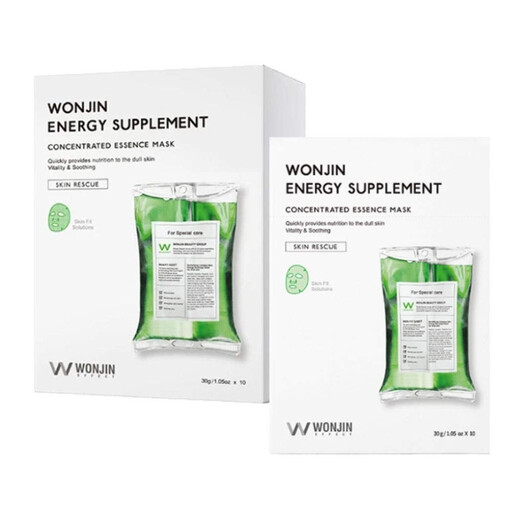
Why it suits this profile: The pack contains 10 masks, with a recommended wear time of 10 to 20 minutes. That makes it a straightforward choice if you’d like to try K-beauty without committing to a longer treatment straight away.
The wear time is clearly stated, and the formula includes glycerine and hyaluronic acid. If you have allergies, always check the full ingredients list.
10 masks per pack; made in Korea according to the product description; short treatment time.
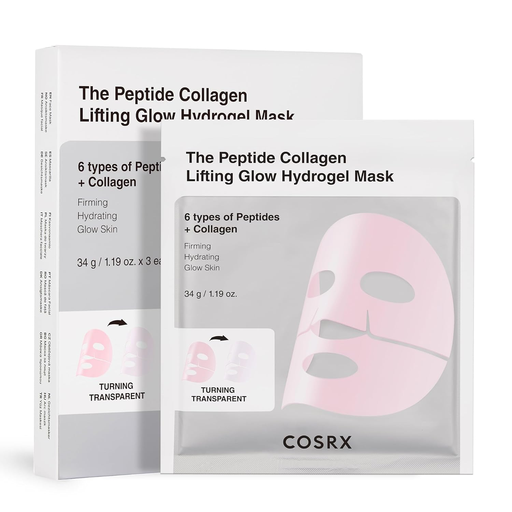
Why it suits this profile: This hydrogel mask combines hydrolysed collagen, six peptides, ceramides and several forms of hyaluronic acid. Its wear time of 2 to 3 hours, or potentially overnight, suits a more involved skincare routine.
The formula and net contents are specified: 3 masks of 34 grams each. Interpret the test claim in the description in the context of the test group stated.
Peptides and ceramides; hydrogel that turns transparent; suitable for a longer treatment.
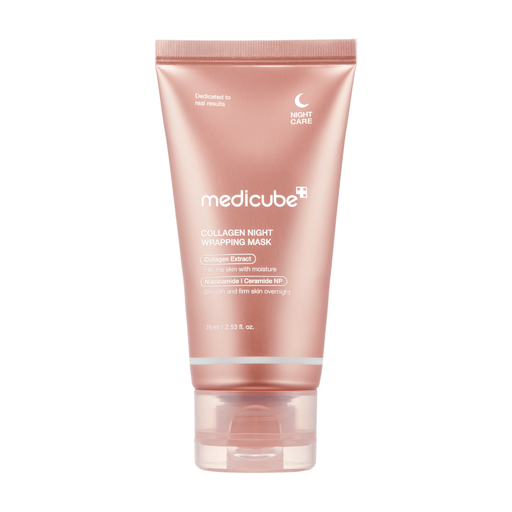
Why it suits this profile: This overnight mask is designed as the final step in your evening routine and, according to the instructions, should be used 2 to 3 times a week. It’s a good fit if you’d rather not apply a separate sheet mask.
The packaging states that it takes about 15 minutes to dry and should be removed in the morning. Avoid applying it around the eyes, on the lips, eyebrows or hairline.
75 ml; no disposable sheet required; includes glycerine, sodium hyaluronate and ceramide NP.
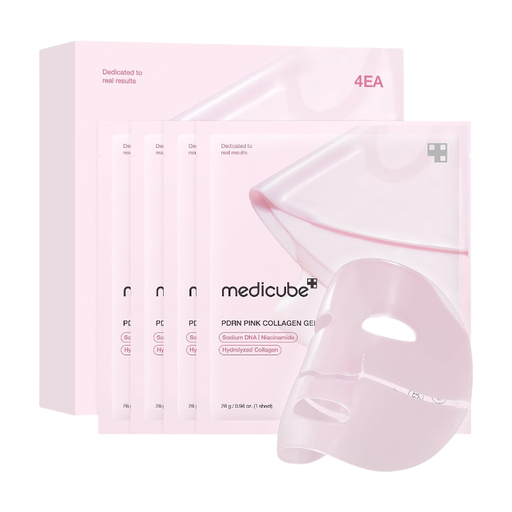
Why it suits this profile: According to the ingredients list, this gel mask contains hydrolysed collagen, Sodium DNA, niacinamide and several peptides. It can be worn for 3 to 4 hours or overnight.
The formula is listed in detail, including fragrance. If you’re sensitive to fragrance, it’s a good idea to do a patch test first.
4 masks; long wear time; gel texture that turns transparent according to the instructions.
We’ve put together a complete, up-to-date list of products that meet these strict selection criteria and the applicable European safety requirements.
A retinol mask requires extra care. Retinol can increase your skin’s sensitivity to sunlight. Don’t use these products every day without checking first, and follow the safety information on the packaging. If you’re pregnant or breastfeeding, it’s sensible to consult a healthcare professional.
It depends on the product. Many sheet masks are suitable for use once or twice a week, while some are specifically designed for daily use. An overnight mask is often used two to three times a week. Follow the product instructions and use it less often if your skin feels tight or irritated.
The exact expiry date is shown on the packaging. Store unopened masks in a cool, dry place away from direct sunlight. Close an opened jar or overnight mask properly to help prevent it from drying out. Never reuse a single-use mask.
No. Compare the price per use, the number of masks, the wear time and the ingredients. A simple sheet mask with glycerine and hyaluronic acid may be enough for a short hydrating treatment, while a hydrogel or overnight mask may suit someone looking for a longer treatment and a different texture.
