
Vandaag of morgen in huis

Kwaliteit gegarandeerd

Welkomstaanbiedingen ontgrendelen: GRATIS bezorging | Tot 80% korting | Gratis 30 dagen JoyPlus-proefperiode
Download de app
A collagen face mask can be a lovely addition to an intensive skincare routine. However, not every mask is the same. The difference lies not just in the name on the packaging, but also in the formula, fit, wear time and amount of serum.
If you rely mainly on words like "lifting", "glass skin" or "anti-ageing", you could easily buy a product that doesn't suit your skin type or routine. With this guide, you can compare the key features and make a more informed choice.
Collagen in a face mask does not automatically mean your skin will produce more collagen itself. In cosmetics, collagen typically works as part of a hydrating formula. A smoother or fuller feeling on the skin can be temporary. Claims about firmness, fine lines or elasticity should therefore always be read as product claims, not medical guarantees.
According to the brand's own research, the participating group reported improved elasticity and a firmer feel. That type of study does not mean the same result is guaranteed for every user.
A box of ten thin sheet masks may seem good value, but the wear time per mask and the amount of essence also determine the value. A hydrogel face mask often contains more serum and fits differently to a classic collagen sheet mask. So check the weight or volume per mask, not just the number of pieces.
Some hydrogel masks can be left on for several hours, while others need to be removed after 10 to 20 minutes. Wearing a mask for longer is not always more comfortable. A mask that dries out, pulls or starts to slip may not suit your skincare routine. Always follow the instructions on the packaging.
Look beyond just the word collagen. Commonly used additional ingredients include:
A sensitive skin benefits from a short, clear ingredients list and a patch test beforehand. A formula with lots of active ingredients is not automatically more suitable.
A collagen sheet mask is usually made from cellulose, cotton or another fibre material. Hydrogel and biocellulose often feel heavier and adhere closely to the skin. Look out for:
A 3D mask, such as the Hadabisei model, is designed to fit around the nostrils and under the chin. That is a verifiable product feature, but not a guarantee of a particular skin result.
Compare the number of applications with the recommended frequency. A pack of four masks is practical for a weekly treatment over a month. A pack of thirty is better suited to daily use, but requires extra attention to shelf life, sealing and storage.
Never reuse a mask. Store unopened packs in a cool, dry place away from direct sunlight, and check the expiry information on the packaging.
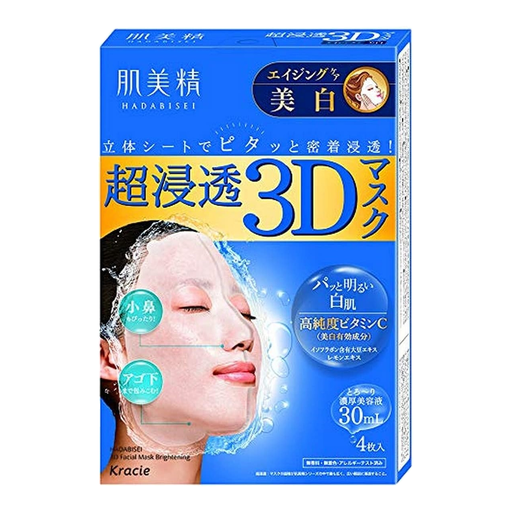
Why this fits the profile: Four individual masks of 30 ml offer a straightforward introduction to a Japanese 3D collagen mask.
The packaging states both the content per mask and the total number. This makes it easier to compare the cost per use.
3D shape; 30 ml per mask; made in Japan; hydrating formula according to product information.
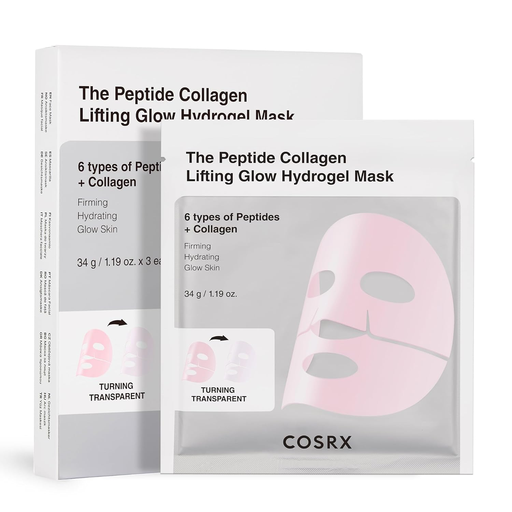
Why this fits the profile: This Korean face mask combines collagen with hyaluronic acid, ceramides and six peptides for a comprehensive skincare routine.
The ingredients list clearly shows which nourishing components are present. The long wear time is also explicitly stated in the usage instructions.
3 masks of 34 g; hydrogel that turns transparent; ceramides, hyaluronic acid and hydrolysed collagen in the formula.
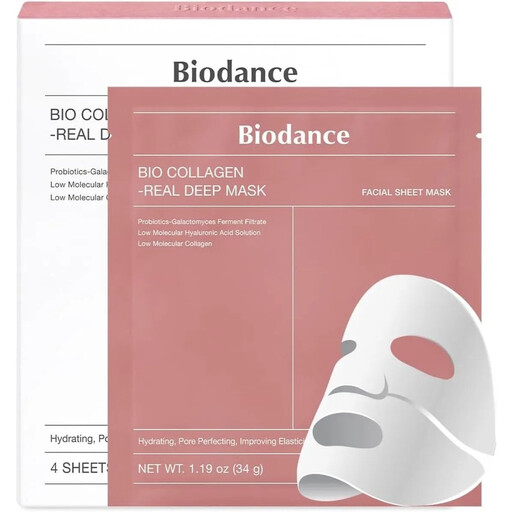
Why this fits the profile: The biocellulose-like hydrogel is designed for a longer treatment of three to four hours or overnight.
The recommended wear time is clearly stated. So you don't need to leave the mask on longer based on general marketing claims.
4 masks of 34 g; hydrogel that turns transparent; ingredients such as collagen extract, glycerin and hyaluronic acid.
We've put together a full, up-to-date list of products that fully meet these strict selection criteria and comply with current European safety regulations.
A patch test on a small area of skin is wise when trying a new hydrating face mask. Stop if you experience redness, swelling, itching, a burning sensation or any other irritation. Do not use the product on broken skin and avoid contact with the eyes.
That depends on the formula. Many hydrogel face masks are used once or twice a week, while some thin sheet masks can be used more frequently within a routine. Follow the manufacturer's instructions and pay attention to how your skin reacts.
Check the expiry date, batch information and any period-after-opening symbol on the packaging. Use an opened sachet immediately. Store unopened masks in a cool, dry place away from direct sunlight. A mask is for single use only and should not be reapplied.
It can be, but first check the ingredients and do a patch test. Choose a formula without any known personal triggers where possible. Product descriptions may state that a mask is suitable for all skin types, but that does not replace an individual assessment of your skin's reaction.
