
Vandaag of morgen in huis

Kwaliteit gegarandeerd

Welkomstaanbiedingen ontgrendelen: GRATIS bezorging | Tot 80% korting | Gratis 30 dagen JoyPlus-proefperiode
Download de app
A pot of hot pasta suddenly landing in the sink because your colander tipped over. Vegetables slipping through oversized holes. Or that "stainless" steel that shows rust spots after just a few washes. These are common frustrations in the kitchen. A good colander or sieve might seem like a simple purchase, but a few pitfalls can render your kitchen tool useless. We'll cover the most important points to consider, so you can choose a model that truly performs.
Before you make a choice, it's helpful to consider three key aspects: the material, the type, and the stability. These factors will determine how practical and durable your purchase will be.
The material directly impacts longevity and maintenance. The most common materials are stainless steel and plastic.
The term 'colander' is often used broadly, but specific designs exist for different tasks. Choosing the right hole size is crucial.
One of the biggest annoyances is an unstable colander that tips over in the sink.
Based on these practical criteria, we have selected a few products that suit different users.
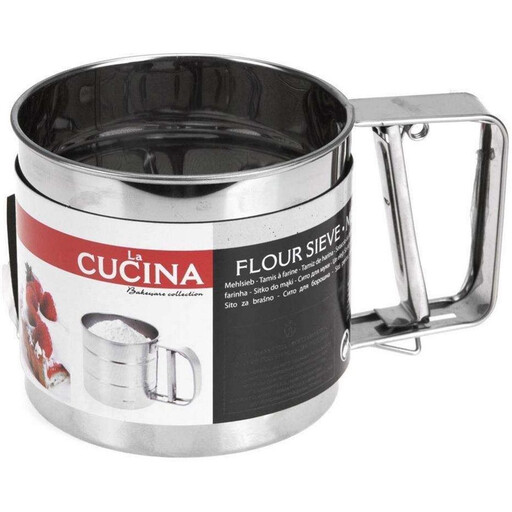
Why This Fits Their Persona: For home bakers aiming for a light and lump-free result. This flour sifter is specifically designed to evenly distribute flour or powdered sugar, which is essential for fine pastries.
This is not a general-purpose sieve, but a specialized flour sifter. The mechanism pushes flour through the mesh, which is far more effective against lumps than simply shaking.
Made of stainless steel for durability and hygiene. The handle with a squeeze mechanism allows for one-handed operation.
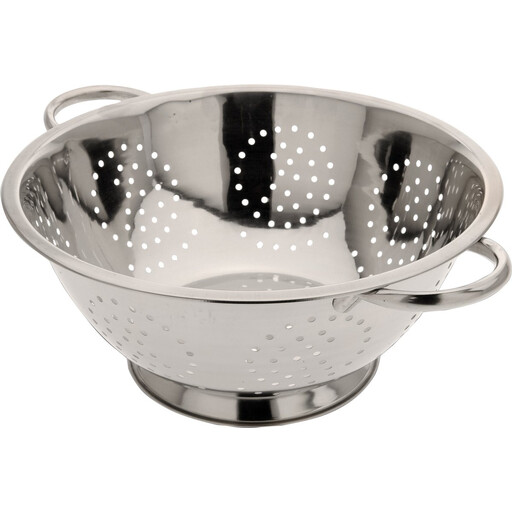
Why This Fits Their Persona: Ideal for those who regularly drain pasta, potatoes, or vegetables and need a reliable, stable colander. The 24 cm size is suitable for most households.
This model stands on a fixed base (pedestal), preventing it from tipping over in the sink. The pasta stays safely in the colander and doesn't come into contact with the drained water.
Made of stainless steel and is dishwasher-safe according to the manufacturer. The two handles provide a firm grip when moving it.
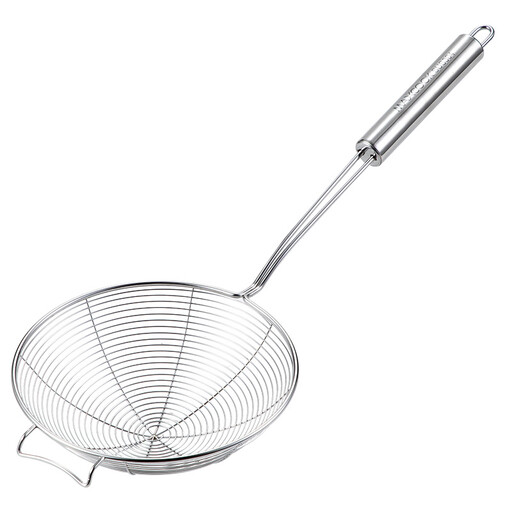
Why This Fits Their Persona: For the cook who loves to fry, blanch, or scoop ingredients directly from a hot pan. This spider strainer is a multifunctional tool.
Instead of having to drain an entire pot, this tool allows you to lift ingredients directly out of the liquid. This is safer and offers more control than a large, cumbersome colander.
Made of 304 stainless steel. According to the manufacturer, the hollow handle provides insulation against heat, and the hook lets you rest it on the rim of a pot.
We have compiled a complete, up-to-date list of products that meet these selection criteria and comply with current regulations.
A colander typically has larger, perforated holes and is used for quickly draining large quantities, like pasta or washed vegetables. A sieve (or kitchen strainer) has a fine-wire mesh and is intended for finer tasks, such as sifting flour, removing lumps from sauces, or filtering liquids.
Most stainless steel colanders are dishwasher-safe, which makes cleaning easy. However, always check the manufacturer's product information. Some models, especially those with wooden or plastic handles, are better washed by hand to extend their lifespan.
Although stainless steel is called "stainless," it can still develop flash rust under certain conditions. This often happens in the dishwasher. To prevent this, dry your stainless steel colander thoroughly after washing instead of letting it air-dry. Also, avoid prolonged contact with salt or acidic food residues.
