
Vandaag of morgen in huis

Kwaliteit gegarandeerd

Welkomstaanbiedingen ontgrendelen: GRATIS bezorging | Tot 80% korting | Gratis 30 dagen JoyPlus-proefperiode
Download de app
A good colander is an indispensable tool in any kitchen. Whether you're draining pasta, washing vegetables, or rinsing rice, this simple utensil makes the job much easier. However, choosing the right one isn't always straightforward. Many models look great in the store but prove to be impractical or break easily in practice. Before you make a purchase, it's wise to be aware of a few common pitfalls.
As a Joybuy Product Recommendation Officer, I'm here to help you see through the marketing jargon. Here are the three most important points to consider to avoid a bad purchase.
To make a durable and functional choice, pay attention to a few objective specifications. These features determine the quality and ease of use of your colander or kitchen sieve.
The material is decisive for durability and hygiene.
The design determines how pleasant the colander is to use.
Based on objective product features, we have selected several options that suit different user profiles.
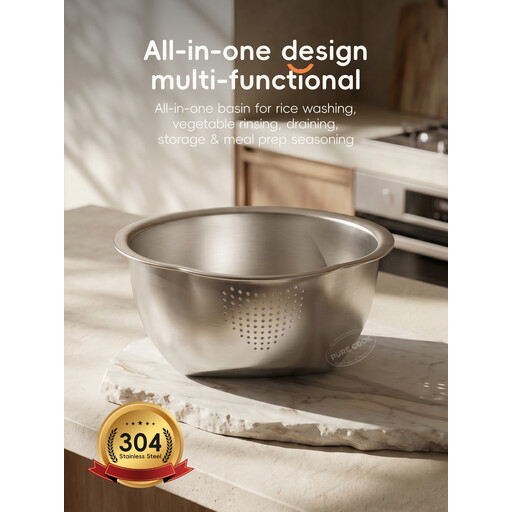
Why This Fits Their Persona: Ideal for those who wash vegetables daily or drain large portions of pasta. A reliable and robust piece of kitchenware for heavy-duty use.
Made from food-grade 304 stainless steel, which prevents rust. The slanted base and uniform perforations ensure fast drainage and stability.
Durable, hygienic, and resistant to high temperatures. The smooth edges prevent scratches and are safe to handle.

Why This Fits Their Persona: Perfect for those with smaller kitchens who like to keep their countertops clear. This rack serves as a colander, dish rack, and storage solution all in one.
This multifunctional design solves the problem of an unstable or awkward colander. It rests securely on the edges of the sink for hands-free use.
The telescopic frame is adjustable (29-44 cm) and fits most sinks. Made from durable 304 stainless steel.
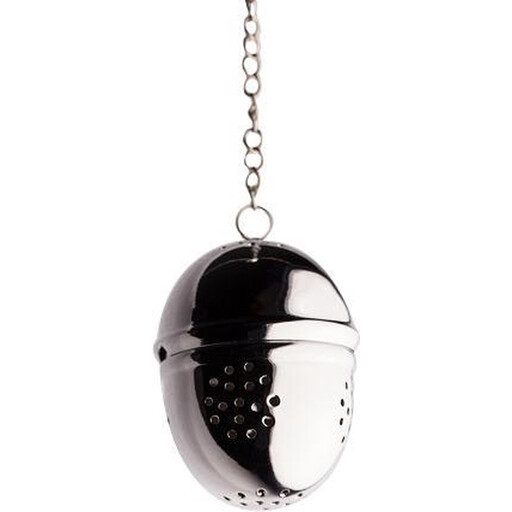
Why This Fits Their Persona: For the loose-leaf tea enthusiast seeking a specific tool for a perfect cup, free of stray leaves.
This tea infuser is the ultimate solution to the 'wrong mesh size' pitfall. Its extremely fine mesh is specifically designed to contain even the smallest tea particles.
Compact, made from stainless steel for a pure taste, and easy to clean. A sustainable alternative to paper tea bags.
We have compiled a complete, up-to-date list of products that meet these strict selection criteria.
Most stainless steel colanders, especially those made from 304 stainless steel, are dishwasher-safe. However, it is always advisable to check the manufacturer's instructions. Sometimes, hand washing is recommended to maintain the material's shine and extend its lifespan.
Although the terms are often used interchangeably, there is a functional difference. A colander typically has larger, perforated holes and is used for draining larger items like pasta and washing vegetables. A kitchen sieve has a woven, fine-mesh net and is intended for finer tasks such as sifting flour, straining sauces, or rinsing small grains.
For ingredients like quinoa, fine rice, or lentils, a fine-mesh sieve is the best choice. The small openings in the mesh prevent the ingredients from washing away. If you only have a standard pasta colander, you can line it with cheesecloth, but a dedicated sieve is more practical in the long run.
