
Vandaag of morgen in huis

Kwaliteit gegarandeerd

Welkomstaanbiedingen ontgrendelen: GRATIS bezorging | Tot 80% korting | Gratis 30 dagen JoyPlus-proefperiode
Download de app
Buying cola soft drinks seems straightforward, until you have to choose between regular cola, sugar-free cola, cola zero, caffeine-free cola, cans or large bottles. A low price per pack may look appealing, but it does not always tell you how much each can contains, which flavour variant it is or how practical it will be to use.
For home, the office, a party or the hospitality industry, three pitfalls are particularly important:
Regular cola generally contains sugar. For example, Coca-Cola Original Taste Cola 24 × 330 ml lists 10.6 grams of sugar per 100 ml. That works out at around 35 grams of sugar per 330 ml can. The Coca-Cola Regular variants in bottles also list 10.6 grams of sugar per 100 ml.
Cola zero and other sugar-free colas use sweeteners. Coca-Cola Zero Sugar Soda 24 × 330 ml lists aspartame and acesulfame-K, among other ingredients, with 0 grams of sugar per 100 ml. According to the product information, Pepsi Zero Sugar Cola also contains 0 grams of sugar per 100 ml and uses E950 and E951.
You should also pay attention to caffeine. According to the product description, Coca-Cola Zero Sugar contains caffeine, while the Coca-Cola Zero Sugar Caffeine Free variant is explicitly offered as caffeine-free. So if you want to avoid caffeine, do not just search for “zero” or “sugar-free”; check the full product name and ingredients list.
Product information may change depending on the market or packaging. Always check the label on the product delivered before consuming it.
A 330 ml can is a standard serving for parties, meetings, vending and hospitality. A tray of 24 cans contains 7.92 litres in total, making it easy to calculate how much stock you need.
A 500 ml bottle contains more per pack and is often practical for drinking on the go or when someone does not finish the drink straight away. Coca-Cola Zero Sugar Cola 12 × 500 ml consists of resealable PET bottles and contains 6 litres in total.
So do not just compare the price per multipack. Also consider:
The choice between Coca-Cola, Pepsi and other colas is partly a matter of personal preference. However, you can already make a practical selection based on the product description:
According to the brands’ own product information, flavour characteristics such as “classic”, “refreshing” or “fruity” are used as part of the product positioning. Treat these descriptions as an indication of flavour rather than a guarantee that everyone will experience the taste in the same way.
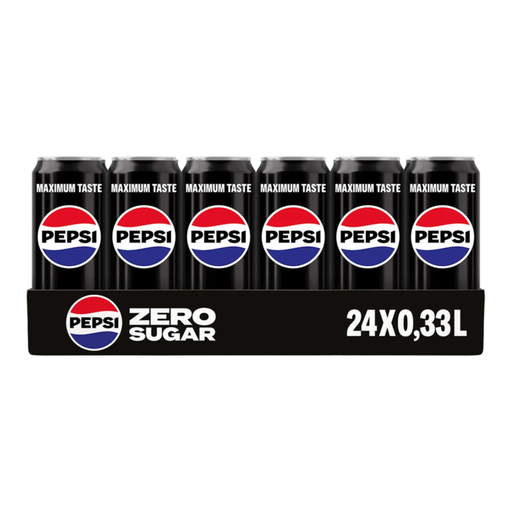
Why it suits this profile: A tray of 24 cans provides a manageable supply for home, a student house or a small office. The product information states that it contains 0 grams of sugar per 100 ml.
The number of cans and the volume per can are clearly stated. However, check the label for the latest ingredients and caffeine information.
24 × 330 ml, 0 grams of sugar per 100 ml according to the product details, and easy to serve chilled.
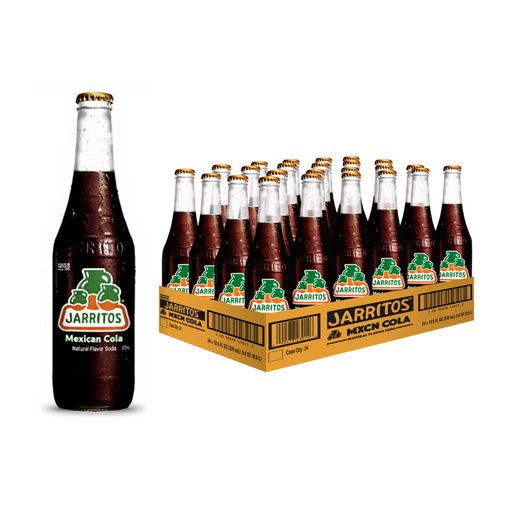
Why it suits this profile: The 370 ml glass bottle is suitable for meals, special occasions and anyone looking for a different presentation from a can or PET bottle.
The packaging and volume are clearly specified. Bear in mind that glass is heavier and more prone to breakage.
24 glass bottles of 370 ml; according to the product details, made with cane sugar and containing 11 grams of sugar per 100 ml.

Why it suits this profile: This combination is aimed at buyers looking for both a sugar-free variant and a caffeine-free option, for example for an office supply or serving at different times.
The product name clearly distinguishes it from standard cola zero: this variant is labelled caffeine-free. Check the packaging when it is delivered.
24 cans of 330 ml, 0 grams of sugar per 100 ml and, according to the product description, caffeine-free.
We have put together a complete, up-to-date list of products that fully meet these strict selection criteria and the applicable European safety regulations.
The choice depends on the desired ingredients and flavour. Regular cola contains sugar, such as Coca-Cola Original Taste with 10.6 grams of sugar per 100 ml. Cola zero uses sweeteners and generally contains no sugar. That does not mean the two variants taste identical. Sweeteners such as aspartame and acesulfame-K may also be included in the ingredients list.
For a classic range, consider:
For a larger supply of bottles, 500 ml bottles are useful when being able to reseal them is important. For an event, 330 ml cans are often easier to hand out and serve chilled.
No. Cola zero usually refers to the absence of sugar, not the absence of caffeine. Always check the product name, ingredients list and any caffeine information.
That depends on the offer and packaging. Calculate the price per litre and check the total volume. 330 ml cans are practical for individual servings, while 500 ml bottles can be useful when resealing is preferred.
Store unopened cola according to the instructions on the packaging, usually in a cool, dry place away from direct sunlight. Once opened, a bottle should be kept chilled and used within the stated period. Always check the best-before information on the packaging.
