
Vandaag of morgen in huis

Kwaliteit gegarandeerd

Welkomstaanbiedingen ontgrendelen: GRATIS bezorging | Tot 80% korting | Gratis 30 dagen JoyPlus-proefperiode
Download de app
Anyone looking to buy cola soft drinks online will soon find dozens of varieties: classic cola, sugar-free cola, caffeine-free soft drinks, cola cans and multipacks with vanilla, cherry or peach flavours. The difference is not just the brand. Pack size, ingredients, caffeine content and shelf life also determine whether a pack is right for your household, office or event.
A box containing 24 cans may seem appealing, but first check the quantity per pack and the price per litre. A multipack with 330 ml cans contains 7.92 litres. A pack with 12 500 ml bottles contains 6 litres. The purchase price alone therefore says little about the actual value.
Also consider when you plan to use it. Cans are convenient for parties, vending machines or lunchrooms, while resealable PET bottles are a better choice when a bottle will be shared by several people.
Sugar-free cola can still contain caffeine. The label should therefore state separately whether the drink contains caffeine. According to the product information, the Coca-Cola Zero Sugar Caffeine Free variety is both sugar-free and caffeine-free. Coca-Cola Zero Sugar and Pepsi Zero Sugar, on the other hand, have ingredient lists that mention caffeine or caffeine flavouring.
If you are buying cola for the evening, the office or different members of the family, it is worth checking this distinction in advance.
Vanilla, cherry, cream soda and peach flavours are not simply subtle packaging changes. They offer a different flavour profile. So check whether the product is regular or zero sugar, and review the ingredients. Flavoured cola may also have different nutritional values from the classic variety.
For classic cola, the nutritional value in the supplied product data is around 42 kcal and 10.6 grams of sugar per 100 ml. Coca-Cola Zero Sugar and Pepsi Zero Sugar, by contrast, state approximately 0 grams of sugar per 100 ml. The sweet taste is then achieved using sweeteners such as aspartame, acesulfame-K or sucralose.
For products containing aspartame, look out for the mandatory warning that they contain a source of phenylalanine. Always check the current packaging before consuming, as recipes and labelling may change.
Choose the pack size based on the situation:
Glass bottles may offer a different serving experience, but they take up more space and are heavier to store and transport.
As well as sugar, check the information on caffeine, sweeteners, preservatives and allergens. Product information on a webshop is useful for an initial selection, but the packaging remains the definitive source. For example, the supplied information for Jarritos Mexican Cola lists cane sugar, while the product details for Pariba Vintage Dates Cola mention sweetener but no sugar.
Brand descriptions of flavour or effects are not a guarantee of your personal preference. According to information provided by the brands concerned, they may offer classic, creamy or fruity flavour profiles, for example. Use the ingredients list and nutrition table as a reliable basis for comparison.
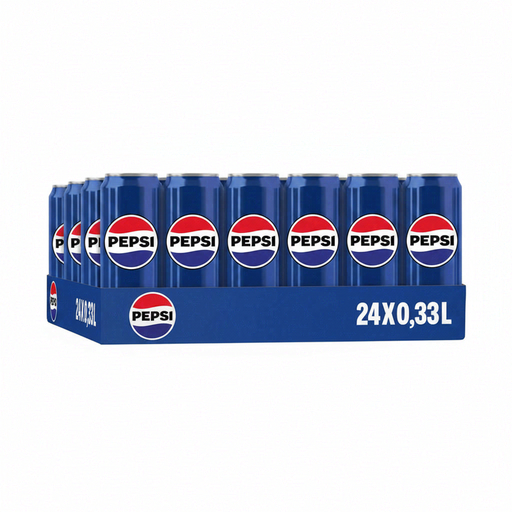
Why it suits this profile: A straightforward multipack with 24 330 ml cans for everyday use, visitors or a small stock-up.
The number of cans and the quantity per can are clearly specified, so you can calculate the price per litre. This is classic cola with sugar, not a zero-sugar variety.
24 x 330 ml; regular cola; suitable for serving chilled; cans are easy to hand out individually.
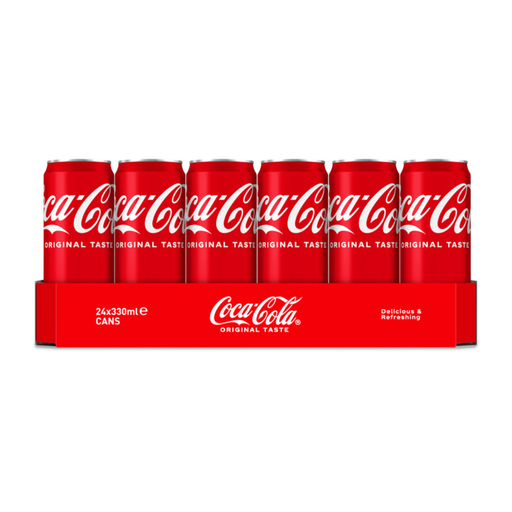
Why it suits this profile: Ideal for fans of a recognisable classic cola and occasions where individual portions are convenient.
The variety is labelled as Original Taste and regular cola. This makes the difference from Coca-Cola Zero Sugar clear before you place your order.
24 cans of 330 ml; 42 kcal and 10.6 grams of sugar per 100 ml according to the product data; suitable for serving chilled.

Why it suits this profile: Suitable for buyers who want to avoid both sugar and caffeine and need a stock of individual cans.
The product name states both relevant properties: zero sugar and caffeine free. This avoids confusion with regular Coca-Cola Zero Sugar.
24 x 330 ml; 0 grams of sugar and 0.3 kcal per 100 ml according to the product information; caffeine-free cola.
We have compiled a complete, up-to-date list of products that fully meet these strict selection criteria and the applicable European safety regulations.
For fans of flavoured cola, there are several directions to explore. Coca-Cola Vanilla Cola is a regular variety with vanilla flavour, supplied in 24 330 ml cans. Coca-Cola Cherry Cola combines cola with cherry and states 46 kcal and 11.4 grams of sugar per 100 ml. Pepsi Zero Cream Soda and Pepsi Zero Strawberry & Cream Soda are sugar-free flavoured varieties with creamy and fruity flavour profiles respectively.
If you would like to try international soft drinks, you could also explore Pepsi Peach, Jarritos Mexican Cola in glass bottles, HATA Cola Ramune or Cola Turka. For imported products, take extra care to check the Dutch product information, allergen labelling, quantity and caffeine details.
No. Sugar-free cola generally contains sweeteners instead of sugar, but may still contain caffeine. Only a product explicitly labelled “caffeine free” or “caffeine-free” is intended to be caffeine-free. Always check the ingredients list and packaging.
According to the product information, unopened cola should be stored in a cool, dry place away from direct sunlight and heat. The exact date is shown on the packaging. Once opened, the drink will generally stay fizzy for longer if you keep it sealed and chilled. Always follow the instructions on the label.
That depends on the offer, quantity and packaging. Calculate the price per litre: multiply the number of packs by the quantity and then compare the total price. Cans offer portion control and easy serving, while bottles are resealable and may be more practical for sharing.
