Choose based on the smallest coin detail you want to capture clearly, as well as how much room you have left for lighting. A compact camera with a close-up mode keeps your setup simple; a mirrorless camera with a suitable macro lens gives you more choice of lens and magnification, but a kit lens won’t automatically offer the same magnification. Whichever option you choose, a stable, level camera position and well-directed lighting are important.
Who is this guide for?
Coin collector looking to capture fine details
If you want to capture small inscriptions and surface features, compare the magnification offered by the specific lens or close-up mode. The number of megapixels alone won’t tell you how large a detail will appear in the image. Nikon Netherlands specifies 1:1 magnification for the NIKKOR Z MC 50mm f/2.8.
Seller who photographs coins regularly
For repeatable photos of a whole coin, a level, stable setup and useful lighting to show the relief are important considerations. Wiki Munten en papiergeld recommends positioning the camera and coin level to avoid distortion.
Beginner with limited table space
If you want a simple setup without using several lenses straight away, consider how much room will be left for lighting alongside the camera and coin. A compact camera has a fixed lens, as the Consumentenbond explains. This keeps the setup simple, but the lens cannot be changed.
What should you consider when choosing?
Compact camera with close-up mode
A good fit if: you want a fixed lens and a small setup. OM SYSTEM describes close-up photography from approximately 1 cm with the Tough TG-7; Ricoh Imaging Europe lists a macro mode from 1 cm for the PENTAX WG-90.
Consider: the fixed lens limits your options, and photographing very close to the coin can leave less room for lighting. The close-up modes mentioned don’t, on their own, show how shiny coins will look with your lighting.
Mirrorless camera with kit lens
A good fit if: you want to take wider shots and might add another lens later. The Canon EOS R50 kit reviewed includes the RF-S 18-45mm; Canon specifies a maximum magnification of 0.25× for that lens in the manual focusing mode described.
Consider: check whether the kit lens offers enough magnification for your smallest coin. A kit lens isn’t the same as a set that includes a separate macro lens.
Mirrorless camera with macro lens
A good fit if: you need small lettering or coin details to appear larger in the image. Nikon specifies 1:1 magnification for the Z MC 50mm f/2.8; Canon lists 0.5× for the RF 85mm F2 Macro, which is compatible with the EOS R50, among other cameras.
Consider: the camera body and lens are separate components. Nikon specifies approximately 5 cm of space between the front of the lens and the subject at the closest focusing distance. Remember to allow room for lighting when choosing your setup.
| What to consider |
What should you look for? |
Who should pay particular attention? |
| Fine details |
Compare the maximum magnification of the specific lens or close-up mode. Canon lists a maximum of 0.25× for the RF-S 18-45mm in the MF mode described; Nikon lists 1:1 for the Z MC 50mm f/2.8. |
If I want to capture small inscriptions or surface marks clearly, I need to assess the magnification of the lens I’ll actually be using. This is estimated to be a priority for around 33% of consumers who put magnification for detail first. |
| Light and reflections |
Check how much clear space there is in front of the lens, and try lighting from different angles. The PENTAX WG-90 has six built-in macro LEDs, according to Ricoh Imaging Europe; assess the results on the coin itself. |
If I want to show the relief without distracting glare, I need to be able to move the light and try different angles. Consumers who put light and reflections first are estimated to make up around 27%. |
| Space and stability |
Check that the camera, support, coin and lighting will all fit on the table. Wiki Munten en papiergeld recommends levelling the camera and coin to avoid distortion. |
On a small table, I want to be able to position the camera level and consistently without losing space for lighting. Consumers who put a simple, stable setup first are estimated to make up around 20%. |
| Complete setup |
Check what’s included in the kit and, if necessary, allow for a separate macro lens, support and lighting. The EOS R50 kit reviewed includes the RF-S 18-45mm, not the RF 85mm F2 Macro. |
If I want to put together a practical setup, I need to know in advance which components I already have and which lens and support I still need. Around 20% of consumers are estimated to consider the components of the complete setup first. |
Common pitfalls
-
Assuming a short focusing distance means sufficient magnification
Being able to focus close up doesn’t automatically mean small coin details will fill the frame. Canon lists a maximum of 0.25× for the RF-S 18-45mm in the MF mode described; according to Nikon, the separate Nikon Z MC 50mm f/2.8 offers 1:1 magnification.
Compare the maximum magnification of the lens you plan to use and, if possible, try a test shot with the smallest coin you want to photograph.
If the kit lens doesn’t offer enough magnification, you may need a different lens or a modified setup.
-
Using all your table space for the camera
A stable, level setup and light coming from a suitable direction are both important. Placing the camera close to the coin can limit the room available for positioning a light to one side.
Plan ahead for space for the coin, camera support and movable lighting. Wiki Munten en papiergeld recommends a level setup to prevent the coin from appearing distorted.
A support or lighting can take up extra space and affect how easily you can move your setup.
-
Confusing the manufacturer’s guarantee with your full statutory rights
According to the Dutch government, there is no fixed statutory guarantee period in the Netherlands that applies to all products. If a product is faulty, the seller is your point of contact for an appropriate solution.
Read any additional guarantee terms alongside your statutory rights, and keep a record of the seller and your purchase.
Camera brands and macro options at a glance
OM SYSTEM
The Tough TG-7 is a compact camera with a fixed lens and close-up capabilities.
- OM SYSTEM describes close-up photography from approximately 1 cm and a function that combines shots taken with different focus points.
- The short focusing distance alone doesn’t determine whether the exposure will meet your needs when photographing a shiny coin.
PENTAX
The WG-90 is a compact camera with a digital microscope function and built-in macro lighting.
- Ricoh Imaging Europe lists a macro mode from 1 cm and six LEDs.
- The fixed lens limits your ability to change the lens and lighting setup independently. Test how the lighting looks on your coin.
Canon
The EOS R50 can be paired with the RF-S 18-45mm kit lens or, as a separate lens, the RF 85mm F2 Macro.
- Canon lists a maximum of 0.25× for the RF-S 18-45mm in the MF mode described, and 0.5× for the RF 85mm F2 Macro.
- The separate macro lens’s features aren’t part of the kit lens. Also check compatibility with your chosen camera body.
Nikon
The NIKKOR Z MC 50mm f/2.8 is a macro lens for a compatible Z camera.
- Nikon specifies a magnification ratio of 1:1.
- At the closest focusing distance, there is approximately 5 cm between the front of the lens and the subject. Allow for the position of your lighting.
Sony
The E 30mm F3.5 Macro is a separate macro lens for compatible Sony E-mount cameras.
- Sony specifies 1:1 magnification for this APS-C lens.
- The lens doesn’t include a camera body. Check how much room the specific combination leaves for lighting.
Cameras at Joybuy
This selection includes portable, vlogging and action cameras. For coin photography, check the close-up capabilities, focusing distance and room for lighting separately; the video and zoom features listed don’t, on their own, determine how much detail of a coin will appear in the image.
 No image available
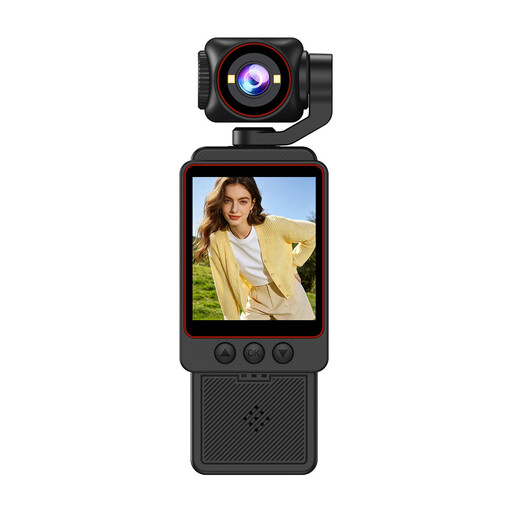
2K Pocket Vlogging Camera
The product title describes a portable camera for everyday vlogging, with a 360° rotating lens. For coin photography, check its close-up capabilities and how much room it leaves for lighting.
Features: 2K video and a 360° rotating lens.
View at Joybuy
 No image available
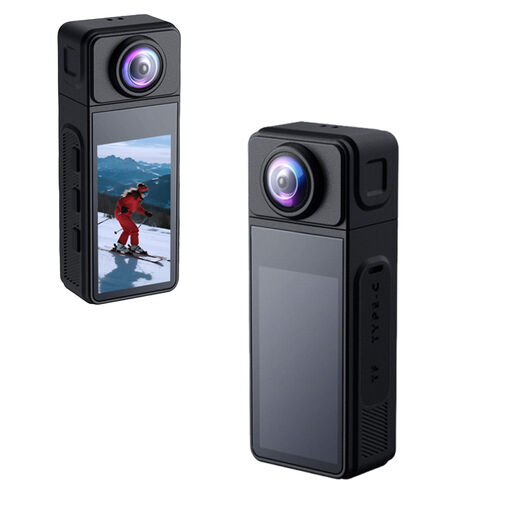
KINSI Mini Action Cam 2K
The product title describes a mini action camera with a rotating lens. Check whether the camera can focus at the distance you’ll be photographing coins from, and whether you can position your lighting.
Features: 270° rotating lens, 1.86-inch IPS display, Wi-Fi, Type-C port and TF card slot.
View at Joybuy
 No image available
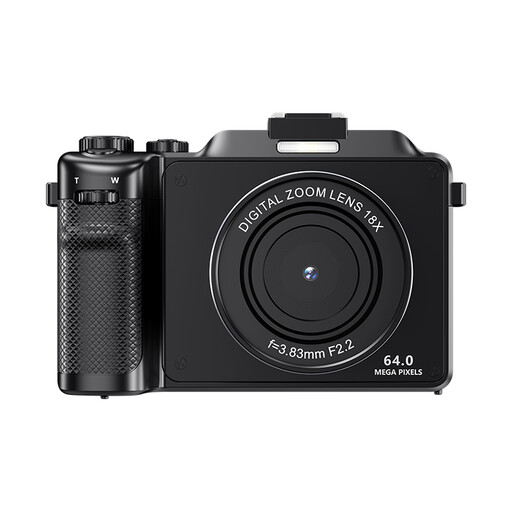
Komery X9 4K 64MP
The product title describes a digital camera with autofocus. For coin photography, you’ll also need to check whether the lens can focus close enough and how much detail you’ll capture.
Features: autofocus, 18× digital zoom and flash.
View at Joybuy
 No image available
Komery W6 4K Camera
The product title describes a digital camera with optical zoom and Wi-Fi. Zoom alone doesn’t indicate how small a nearby subject can be captured; check the close-up capabilities for your needs.
Features: 12× optical zoom, 4K and Wi-Fi.
View at Joybuy
 No image available
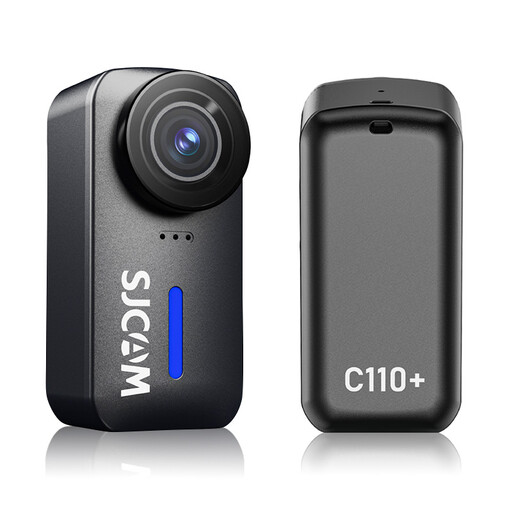
SJCAM C110+ 4K Action Camera
The product title describes an action camera for video recording and more. For coin photography, check whether it can take the close-up shots you want and whether its wide-angle view suits your composition.
Features: 170° field of view, f/1.8 lens and photos up to 20 MP.
View at Joybuy
Frequently asked questions
How can I stop a round coin from looking oval?
Position the camera as parallel as possible to the face of the coin and keep it securely supported. Wiki Munten en papiergeld warns that an angled setup can make a round coin look distorted.
Will a macro mode automatically sort out the lighting for a coin?
No. A macro mode doesn’t automatically control how light falls on a shiny coin. Try lighting it from different directions, and when shooting from close up, leave room to move the light source.
Is a kit lens enough to capture fine coin details?
It depends on the detail you want to capture and the magnification of the specific lens. Canon specifies a maximum of 0.25× for the RF-S 18-45mm in the manual focusing mode described. Compare this with the framing you want, and treat a separate macro lens as a different lens option.
What return and guarantee rights apply when buying from a Dutch online shop?
For distance purchases from a business, you usually have a 14-day cooling-off period, according to the Dutch government; check which exceptions apply. The Netherlands has no fixed statutory guarantee period for all products: you’re entitled to a product that works as it should, and the seller is your point of contact if something is wrong.


