
Vandaag of morgen in huis

Kwaliteit gegarandeerd

Welkomstaanbiedingen ontgrendelen: GRATIS bezorging | Tot 80% korting | Gratis 30 dagen JoyPlus-proefperiode
Download de app
Coffee capsules make it easy to enjoy a quick espresso at home or in the office. However, not every capsule works with every machine. And a familiar brand name or a high intensity rating doesn’t automatically mean the coffee will suit your taste.
Comparing your options carefully can help you avoid these three common mistakes:
Look for the exact system on the product page and packaging. Several products in this guide are designed for Nespresso coffee machines. The word “compatible” means the capsule is designed for that system; always check your machine’s manual too.
A Senseo machine uses Senseo coffee pads, not espresso capsules. Nespresso machines, meanwhile, have ristretto, espresso and lungo capsules available. Your choice of capsule affects the recommended amount of water:
Use the button setting shown on the packaging. A lungo capsule brewed with far too little water can taste heavy, while a ristretto capsule brewed with lots of water may taste thin.
Arabica is often chosen for its softer, more aromatic flavour profile. Robusta can have more body, bitterness and a stronger finish. A blend of the two is an interesting option if you enjoy strong coffee capsules or cappuccino.
The roast is just as important. Dark-roasted coffee often has a bolder, spicier character. Light or medium roasts can bring out more fruity or floral notes. Intensity scales vary between brands, so don’t assume a rating of 10 from one brand is directly comparable to a 10 from another.
Pay attention to added flavours too. According to the product information, flavoured coffee capsules with notes such as caramel, cinnamon, coconut, hazelnut or amaretto contain coffee with added flavourings. That’s different from coffee whose flavour comes only from the beans and the roast.
Check the number of capsules, the net weight and the amount of coffee per capsule. A box of 10 capsules is handy for trying a flavour. Packs of 20 or 40 are better suited to everyday use at home or in the office.
Store coffee capsules in a cool, dry place, away from sunlight, heat and moisture. Seal opened packaging well and don’t use capsules if the packaging is damaged. Check the product itself for the exact best-before information. Sustainability labels such as UTZ or Rainforest Alliance should be read as product information about the stated origin or certification; they don’t automatically tell you anything about flavour or how the capsules will work in your machine.
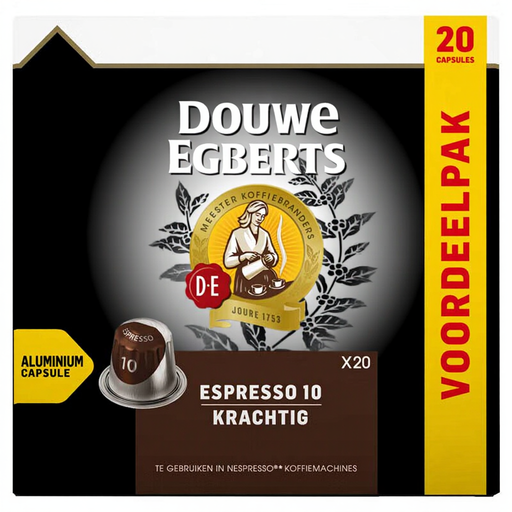
Why it suits this profile: A pack of 20 capsules is a manageable choice if you want a familiar espresso for everyday use without buying a large stock straight away.
The product information explicitly states that these capsules are for use in Nespresso machines, have an intensity rating of 10 out of 12 and are made with a blend of Arabica and Robusta.
Dark roast; suitable for espresso and milk-based drinks; according to the product information, certified by UTZ and Rainforest Alliance.
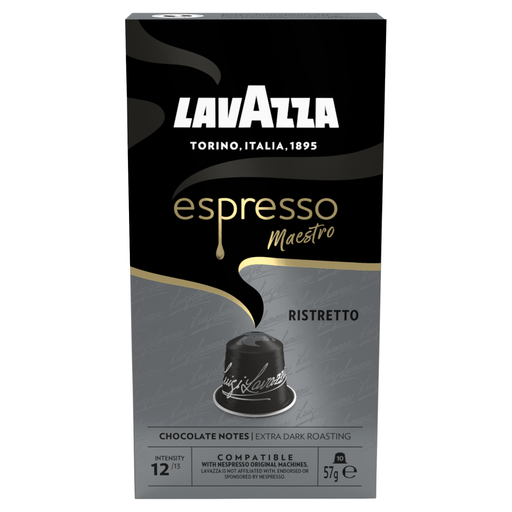
Why it suits this profile: A good choice if you enjoy a short, powerful coffee and value a clearly described flavour profile.
The product description specifies compatibility, a blend of Arabica and Robusta, chocolate and caramel notes, and an intensity rating of 12/13.
10 capsules weighing 57 g in total; ristretto style; the product information states that none of the 14 main EU allergens are present.
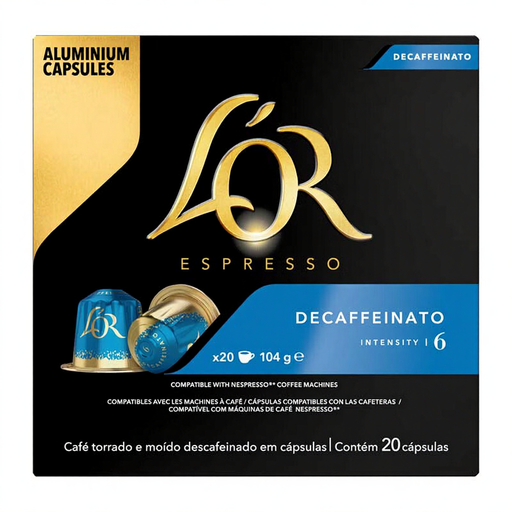
Why it suits this profile: A practical option for households or offices where decaffeinated coffee capsules are also wanted.
The product information explicitly states that these capsules are decaffeinated, made with 100% Arabica and suitable for Nespresso machines. That way, you won’t confuse intensity with caffeine content.
20 individually wrapped capsules; described as having cocoa notes and a hint of berries; according to the product information, 100% UTZ-certified.
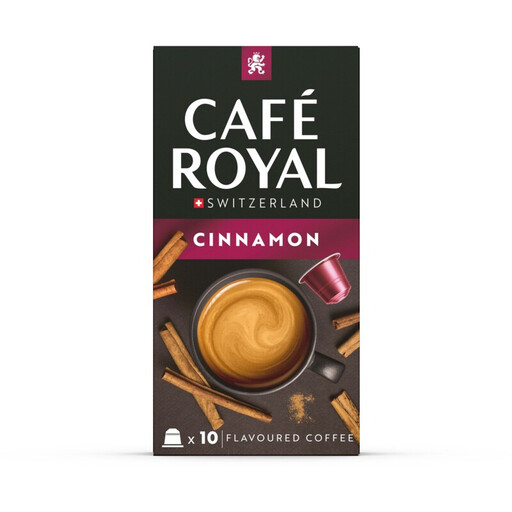
Why it suits this profile: For coffee drinkers who want to try a spiced option alongside their usual espresso.
The product description makes clear that this is 100% Arabica with natural cinnamon flavouring, rather than a neutral espresso.
100% Arabica; cinnamon flavour profile; according to the product information, Rainforest Alliance-certified.
We’ve put together a complete, up-to-date list of products that meet these strict selection criteria and the current European safety requirements.
Not without checking first. Read the product listing and your machine’s manual. Look out for the difference between capsules for the classic Nespresso system and other systems, such as Vertuo. A capsule must be compatible with your machine in both shape and operation.
The exact date is shown on the packaging. Store capsules in a cool, dry place, away from direct sunlight. Individually sealed packaging helps protect the aroma, but don’t use a product if its packaging is damaged. Once opened, it’s important to seal the pack well.
It depends on the price of the capsules, how many cups you make and how much coffee you drink each day. Work out the price per capsule and compare it with the cost per cup of beans, ground coffee or Senseo coffee pads. A pack of 40 can be practical for frequent use, while a box of 10 capsules is more convenient for trying a flavour first.
