
Hosts planning a traditional coffee spread
Want to serve rusks or pastries with a crunchy aniseed topping? The Blue & White Muisjes described by PLUS are an alternative to chocolate.


Choose traditional Dutch aniseed sprinkles if you mainly want to serve rusks or aniseed-flavoured pastries with your coffee. The De Ruijter Blue & White Muisjes described by PLUS are sugar-coated aniseed grains with no cocoa. If you’re looking for Fairtrade chocolate, choose a chocolate product instead: chocolate sprinkles for scattering, or small chocolates to share. Check the packaging to see what the certification applies to and which allergens are listed.
Want to serve rusks or pastries with a crunchy aniseed topping? The Blue & White Muisjes described by PLUS are an alternative to chocolate.
If cocoa and exactly what the certification means are your priorities, consider a chocolate product such as Fairtrade Original Hagelslag Puur. Check the logo on the packaging: according to Milieu Centraal, it may apply only to a certified ingredient.
Small chocolates can be served on their own, without rusks. Ingredients vary between flavours in a selection, and Jumbo lists several allergens for the Tony’s Tiny’s mix it reviewed.
A good fit if: aniseed flavour and a sprinkle-on topping for rusks or pastries are what matter most.
The trade-off: the Blue & White Muisjes described by PLUS contain no cocoa, so they won’t meet a wish for Fairtrade chocolate.
A good fit if: you’re looking for a chocolate product to sprinkle over rusks or pastries, for example.
The trade-off: Fairtrade Original Hagelslag Puur contains cocoa, but doesn’t have the aniseed flavour of traditional Dutch sprinkles.
A good fit if: you want guests to be able to help themselves to something with their coffee, without needing to add a topping first.
The trade-off: check the ingredients for each flavour in a selection; the Tony’s Tiny’s mix described by Jumbo contains several allergens.
When choosing something to enjoy with coffee, one priority may settle it: an aniseed tradition, Fairtrade chocolate you can verify, or something ready to share.
| What to consider | What to check when buying | Who it matters to |
|---|---|---|
| Aniseed flavour and presentation | Check whether the ingredients include aniseed or cocoa, then choose an option that suits what you want to serve. | For a celebratory coffee spread, I want rusks with the familiar flavour of traditional Dutch sprinkles, even if that means not serving chocolate; around 46% of consumers put that tradition first. |
| Fairtrade chocolate | Check the cocoa content and read the packaging to see what the Fairtrade logo applies to. | If I want to make a conscious choice and buy chocolate with a verifiable Fairtrade claim, what the logo means is key. Around 36% of consumers put this first. |
| Ready to share | Check the product format and, for assorted chocolates, check the ingredients and allergens for each flavour. | When I want to serve something with coffee without any preparation, I’d rather choose chocolates to share; around 18% of consumers put this need first. |
The Blue & White Muisjes described by PLUS are sugar-coated aniseed grains. Being shelved alongside other sprinkle-on toppings doesn’t make them a chocolate product.
Read the ingredients before choosing: look for cocoa if chocolate is a must, or choose the aniseed flavour deliberately.
According to Milieu Centraal, a Fairtrade logo on a white background may apply only to a certified ingredient, rather than the whole product.
Check the label and explanation on the packaging of the product you’re actually buying.
For the Tony’s Tiny’s mix it reviewed, Jumbo lists milk, soya, wheat, hazelnut, almond and egg, among other ingredients. The ingredients may vary between pieces.
If anyone has a known allergy, check the current packaging and keep it beside the bowl so guests can read the information.
For dark chocolate sprinkles, Voedingscentrum recommends sealing the packaging tightly and storing it in a dry place.
Close the pack after use and follow the storage instructions on the packaging.
Worth considering if you’re looking for a traditional aniseed topping for rusks or pastries.
Worth considering if you’re looking for a Fairtrade-labelled option to sprinkle over food.
Worth considering if you’re looking for chocolate to share with coffee.
Worth considering if you also want to check claims about the origin of the cocoa in own-brand chocolate.
These products suit two different choices: a chocolate bar to share or traditional aniseed sprinkles as a topping. If you’re specifically looking for Fairtrade chocolate, check the certification label on the pack you choose.
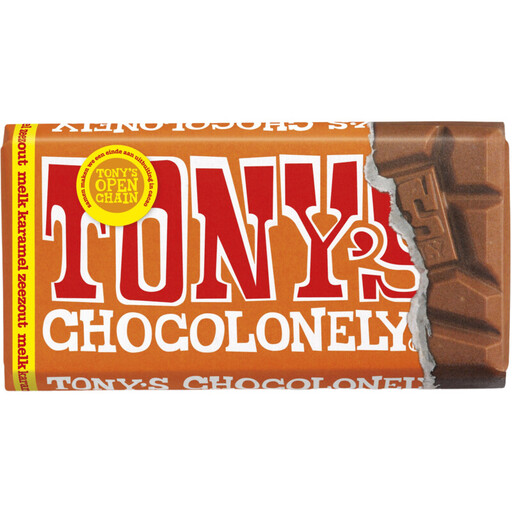 Image unavailable
A chocolate bar to share with coffee, rather than a topping to sprinkle.
Check the packaging to see what the Fairtrade claim means and read the allergen information.
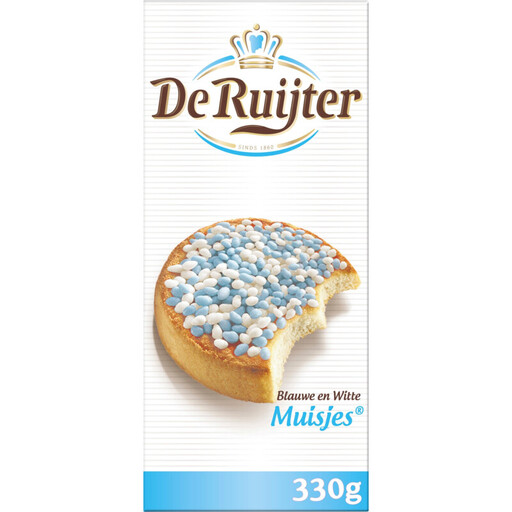 Image unavailable
For anyone who wants to sprinkle traditional aniseed sprinkles over rusks or pastries.
This variety is made from sugar-coated aniseed grains, contains wheat starch and is not a chocolate product. If you have an allergy, check the current packaging.
No. The variety described by PLUS is made from sugar-coated aniseed grains, and the listed ingredients contain no cocoa. If you want to serve Fairtrade chocolate, choose a chocolate product and check the certification label on the packaging.
No. According to Milieu Centraal, a logo on a white background may identify only a Fairtrade-certified ingredient. Read the product-specific explanation before making the certification a condition of your choice.
Check the label of every product you plan to serve. PLUS lists wheat starch in De Ruijter Blue & White Muisjes; Fairtrade Original says Hagelslag Puur may contain milk; and for the Tony’s Tiny’s mix it reviewed, Jumbo lists milk, soya, wheat, hazelnut, almond and egg, among other ingredients.
Seal the packaging tightly and store the sprinkles in a dry place, as Voedingscentrum recommends for dark chocolate sprinkles. Also follow the storage instructions on the packaging of your product.