What should you look for when choosing?
Ordinary digital kitchen scales
Choose this option: if you mainly weigh your coffee in advance and also want to use the scales for cooking.
The trade-off: a timer or a size that fits beneath an espresso machine isn’t guaranteed. The Consumers’ Association found differences in measurement results and ease of use among the models it tested.
Coffee scales for filter coffee
Choose this option: if you want to track weight and time while pouring, with your dripper or jug on the scales.
The trade-off: check that the platform can support your entire brewing setup. According to HARIO, the HARIO Polaris has a 127 × 165 mm platform and uses three AA batteries.
Compact coffee scales for espresso
Choose this option: if you want to track the weight during extraction and have limited space on your drip tray.
The trade-off: measure the space with your cup in place. Acaia says the Lunar’s standard platform isn’t designed to support a portafilter.
First, measure your workspace with your own brewing equipment, then decide which functions you’ll actually use while brewing.
| What to consider |
What to look for |
Who should prioritise this? |
| Fit in your brewing setup |
Measure the width, depth and height with your cup, dripper or jug in place, then compare these with the product dimensions and platform size. |
If I have limited space on my drip tray, I want to know whether the scales will fit with my cup on them. Around 33% of consumers see fit as their top requirement. |
| Small coffee doses |
Compare the measurement increments and minimum detection weight, and look for test results for the exact model. A decimal on the display doesn’t prove accuracy. |
For anyone who wants to weigh small amounts of coffee consistently, the measurement increments and performance are key. Around 27% of consumers say small doses are their top priority. |
| Tracking weight and brewing time |
Check whether the time and weight are both easy to read, and how the timer starts. If you weigh your coffee in advance, a separate clock may be enough. |
If I want to see how much coffee is going into my cup or jug during espresso or filter brewing, and how long it takes, I’m looking for both functions together. Around 27% of consumers say tracking these is their top priority. |
| For other kitchen tasks too |
Compare the maximum capacity, platform, tare function and readability with the bowls and ingredients you use. |
If you want one appliance for coffee and cooking, a suitable platform and straightforward controls will help you avoid unnecessary extra steps. Around 13% of consumers prioritise using their scales for both coffee and general kitchen tasks. |
Coffee scales at Joybuy
These models are designed for weighing and tracking espresso and filter coffee. One version also mentions use for cooking and baking.
 No image available
TIMEMORE Coffee Scale DOT, BLACK
The title mentions espresso and pour-over, with functions for tracking the brewing process.
Timer, coffee-to-water ratio and water flow display; switchable ounce/kg units.
View at Joybuy
 No image available
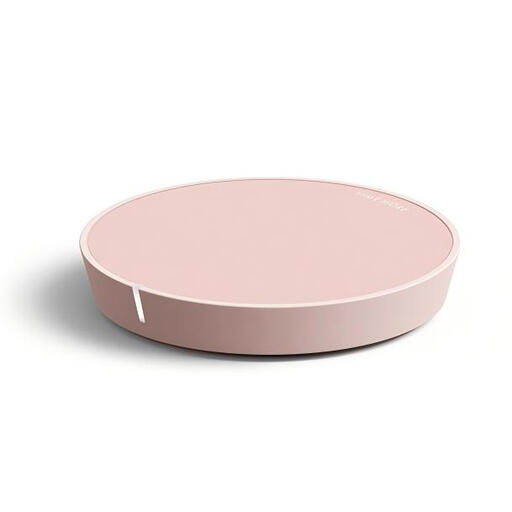
TIMEMORE Coffee Scale DOT, PINK
The title mentions espresso and pour-over, with functions for tracking the brewing process.
Timer, coffee-to-water ratio and water flow display; switchable ounce/kg units.
View at Joybuy
 No image available
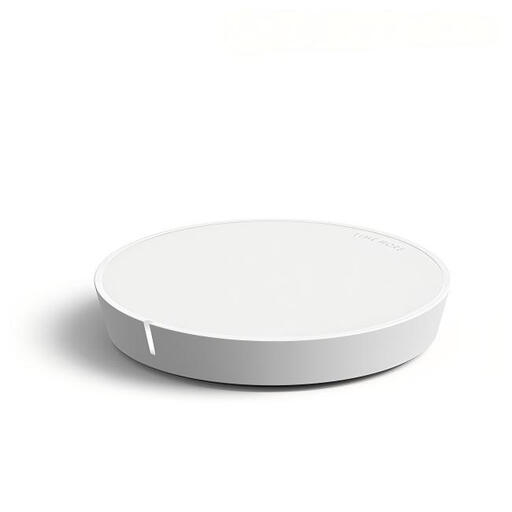
TIMEMORE Coffee Scale DOT, WHITE
The title mentions espresso and pour-over, with functions for tracking the brewing process.
Timer, coffee-to-water ratio and water flow display; switchable ounce/kg units.
View at Joybuy
 No image available
TIMEMORE Coffee Scale Basic 2.0, White
The title mentions espresso, as well as use in the kitchen, for baking and for cooking.
Timer and water flow display; switchable ounce/kg units.
View at Joybuy
 No image available
TIMEMORE Black Mirror Basic 2 Pour-Over, Black
The title positions this model for filter coffee and mentions an automatic timer.
Stated increments of 0.1 g and a capacity of 2000 g; the increments alone don’t prove measurement accuracy. The description recommends cleaning with a damp cloth and avoiding immersion in water.
View at Joybuy
Frequently asked questions
Do I always need scales that display 0.1 g increments for measuring coffee?
Not necessarily if you mainly weigh larger amounts in advance. For small doses, compare the measurement increments with information about performance. The Consumers’ Association found differences in accuracy and consistency among the kitchen scales it tested. An extra decimal place on the display doesn’t prove these qualities.
How do I use the tare function when making coffee?
Place your empty container, cup or jug on the scales and use the tare function to subtract its weight. First, check that your full setup will fit on the platform and stay within the maximum capacity. TIMEMORE describes a tare function on the Basic 2.0.
What can I do if scales I bought online develop a fault?
When you buy as a consumer in the Netherlands, you’re entitled to a product that works properly, and you can contact the seller if there’s a fault. The Dutch Government says there is no fixed statutory two-year guarantee period. Online purchases from a business generally come with a 14-day cooling-off period, with some exceptions. This is separate from your rights if a product is faulty.
Can I put old digital scales in the general waste?
Take unwanted electrical equipment to a suitable collection point, or use a take-back scheme when buying a similar appliance. The Dutch Government says that used batteries shouldn’t go in the bin. You can return them to shops that sell batteries, among other places.
Can I put coffee directly on the weighing platform?
Don’t assume that you can. Suitability for food contact is different from measurement accuracy or moisture protection. If in doubt, use a suitable container and tare the scales. The RIVM explains the rules for materials that may come into contact with food.


