
Pour-over brewer making coffee for guests
Wants to track the amount poured and the time, and checks that the carafe fits on the weighing platform.


If you only weigh your coffee beforehand, digital kitchen scales with a tare function may be all you need; check the display increments and weighing capacity for your portions. If you want to track both weight and time while pouring, choose coffee scales with a timer and check that the platform and capacity suit your setup. For espresso, it’s also important that the scales, with your cup on them, fit under your machine.
Wants to track the amount poured and the time, and checks that the carafe fits on the weighing platform.
Wants to weigh coffee in a bowl and tare the scales, but doesn’t need a built-in timer for brewing.
Wants to weigh the cup while brewing and mainly needs a compact platform that fits their machine.
Start by thinking about when you’ll weigh your coffee: before brewing, while making filter coffee or under an espresso machine.
| What to consider | What to check before buying | Who they’re for |
|---|---|---|
| Tracking the carafe and brew water | Check the platform dimensions and maximum weight, including the carafe, filter holder and contents. | If I’m making coffee for guests, I want to track the amount I’ve added without losing sight of the weight of the whole carafe. Around 33% of consumers prioritise tracking the carafe and brew water. |
| Tracking brew time | Check whether the model has a manual or automatic timer, and how the tare function works. | When pouring by hand, I want to track time and weight without using a separate device. Around 27% of consumers prioritise tracking time. |
| Size for espresso | Measure the space on your drip tray and compare it with the platform, cup and any weighing plate you may need. | For espresso, I want to weigh my cup somewhere that fits under my machine. Around 20% of consumers prioritise finding scales that fit under an espresso machine. |
| Easy pre-weighing | Check the minimum weight, display increments, power supply and cleaning instructions for the exact model. | If I’m only weighing coffee in a bowl beforehand, I mainly want a clear, simple weighing experience. Around 20% of consumers prioritise ease of use when pre-weighing. |
A display increment of 0.1 g shows the steps in which the display indicates weight; by itself, it doesn’t prove how accurately or consistently the scales measure. The Consumentenbond describes accuracy and consistency as separate aspects of its tests.
Treat the display increment as a stated specification, and only check test results if they relate to the exact model.
Brabantia states a weighing range starting at 1 g for the battery-powered version reviewed, and one starting at 5 g for the separate dynamo version.
Check the model and product number before buying, especially if you want to weigh small portions of coffee.
When brewing, the carafe or filter holder also sits on the scales. For espresso, the scales with the cup on them must also fit under the machine.
Compare the total weight of your setup and the available space with the capacity and dimensions of the exact model.
The Tasty+ kitchen scales reviewed are designed for general pre-weighing; the battery and dynamo versions have different stated minimum weights.
The KS 19 Black reviewed is a general-purpose kitchen scale for pre-weighing.
The V60 Drip Scale reviewed is designed to track weight and time while pouring by hand.
The Basic 2.0 reviewed is designed for brewing coffee, with a tare function, timer and flow-rate function.
The European Lunar model reviewed is a compact set of espresso scales.
These picks include coffee scales for use while brewing, as well as digital kitchen scales for weighing coffee beforehand.
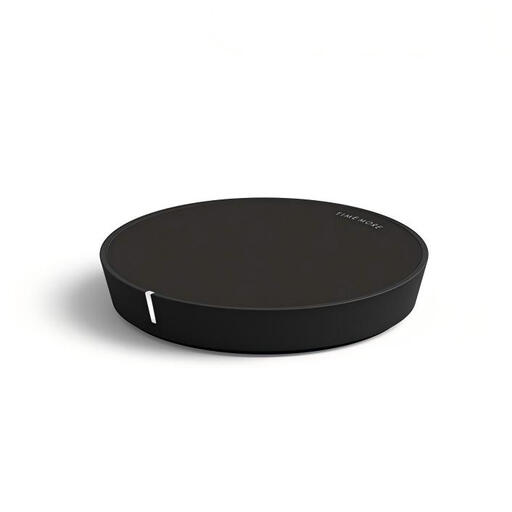 No image available
The listed timer, water flow function and coffee-to-water ratio function make these scales suitable for weighing while brewing.
According to the product name, you can switch between ounce and kg units; the scales have espresso and pour-over modes.
 No image available
The product name lists a timer, water flow function and coffee-to-water ratio function for weighing while brewing.
The scales have espresso and pour-over modes, and you can switch between ounce and kg units.
 No image available
The product name and description mention a timer and tare function for weighing while brewing coffee.
The product name lists 0.1 g display increments, a capacity of up to 3 kg and a heat-resistant platform. Charging and switching units are also mentioned.
 No image available
The product name lists an automatic timer and water flow function for pour-over coffee.
The stated display increment is 0.1 g and the capacity is 2000 g. The product description recommends cleaning with a damp cloth and avoiding immersion.
 No image available
Kitchen scales with a tare function are an option if you want to weigh coffee in a bowl beforehand.
The product description lists a range of 1 to 5000 g and automatic shut-off. The dimensions in the product name are 17 × 13 × 2 cm; batteries aren’t included.
Place the empty bowl or carafe on the scales and use the tare function before adding coffee. Keep the total weight within the stated capacity; TIMEMORE describes taring as subtracting the weight of the container.
No. Don’t assume that water resistance means the scales can be immersed. For the TIMEMORE Black Mirror Basic 2, the product description recommends cleaning with a damp cloth and avoiding immersion; for other models, follow the instructions for the exact version.
In the Netherlands, online purchases from a business generally come with a 14-day cooling-off period. This is separate from your statutory rights if a product is faulty; in that case, contact the seller. The Netherlands doesn’t have one fixed statutory guarantee period that applies to all products.
The Dutch Authority for Digital Infrastructure (Rijksinspectie Digitale Infrastructuur) outlines legal requirements for certain commercial uses, such as transactions where weight determines the sale price. Making coffee at home isn’t the type of sales use described; don’t use kitchen scales for selling goods by weight without checking the requirements.
Take loose used batteries to a collection point, such as one at a shop or supermarket, and don’t put them in general waste. This is the advice from Milieu Centraal.