
Vandaag of morgen in huis

Kwaliteit gegarandeerd

Welkomstaanbiedingen ontgrendelen: GRATIS bezorging | Tot 80% korting | Gratis 30 dagen JoyPlus-proefperiode
Download de app
Making a quick cup of coffee without weighing out loose coffee: that is exactly why coffee pods remain popular in Dutch households. Even so, the choice is less straightforward than it may seem. Products differ in strength, roast, ingredients, size and suitability for your machine.
If you only look at words such as “intense”, “dark roast” or “premium”, you can easily buy a pack that does not suit your taste or coffee machine. With this practical approach, you can compare Senseo coffee pods, strong coffee and convenient filter coffee bags based on verifiable features.
A higher intensity score usually means a more powerful flavour, but not necessarily more caffeine. A dark roast can also taste more bitter or spicier without the coffee feeling “stronger” to everyone. So check whether the packaging provides information about flavour intensity, roast level and the coffee beans used. You can only identify a decaffeinated variety when this is clearly stated on the label.
Many coffee pods for Senseo are designed for machines that use the traditional pod format. Capsules for Nespresso machines have a different shape and are not interchangeable with pods. Always check for the wording “suitable for Senseo” or the manufacturer’s compatibility information. A product name containing “capsules” does not refer to the same system as filter coffee bags.
A pack of 54 coffee pods may seem appealing for everyday use, but only if you enjoy the flavour and store the pods properly. For occasional use, 36 coffee pods may be more practical. Also check the best-before date, the price per pod and the storage instructions. Store opened packs in a cool, dry place away from direct sunlight and moisture.
An intensity scale is mainly a useful tool for comparing products within a brand or range. For example, g'woon Dark Roast has a stated intensity of 8, while g'woon Extra Dark Roast has an intensity of 10. Douwe Egberts Intens is listed with an intensity of 7. These figures are not universally standardised across all brands.
Dark roast coffee generally has a fuller, more powerful flavour profile. Milder or medium-roast coffee can taste rounder and more approachable. If you add milk or sugar, you will often want a flavour that remains noticeable in a cappuccino or latte.
Arabica coffee is often described as having aromatic, smooth or fruity notes. Robusta coffee can provide a fuller mouthfeel and a more powerful character. A blend of both beans combines characteristics of the two varieties. One type is not automatically more suitable; the right choice depends on your personal preference.
Also check the ingredients list. Some products list only “coffee” or “roasted ground coffee”. Others may contain ingredients such as milk powder, sugar, vegetable fat or flavouring. If you have an allergy, always check the label on the packaging, even when an online product description provides different or limited information.
A pack of 36 pods is suitable if you drink coffee regularly but do not want to buy in large quantities. A pack of 54 pods is a better fit for a household where several cups are made each day. Work out the cost per cup and check whether you need one or two pods for your preferred quantity.
For the office, travelling or making a cup without a coffee machine, drip bag coffee and filter coffee bags are an alternative. You hang these bags over a cup and slowly pour hot water through them. They require a little more effort than a Senseo pod, but you do not need a machine.
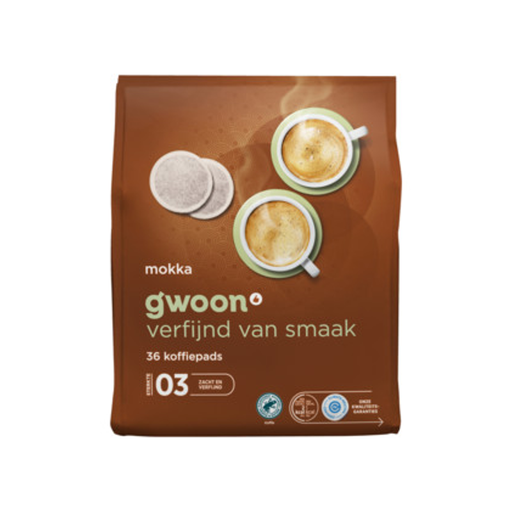
Why it suits this profile: A pack of 36 pods is a manageable choice for anyone who wants to try different flavours without buying a large quantity straight away. The product information lists coffee as an ingredient.
The smaller pack reduces the risk of being left with a flavour you do not enjoy. Check the current compatibility information before buying.
36 units; according to the product description, free from the 14 major EU allergens.
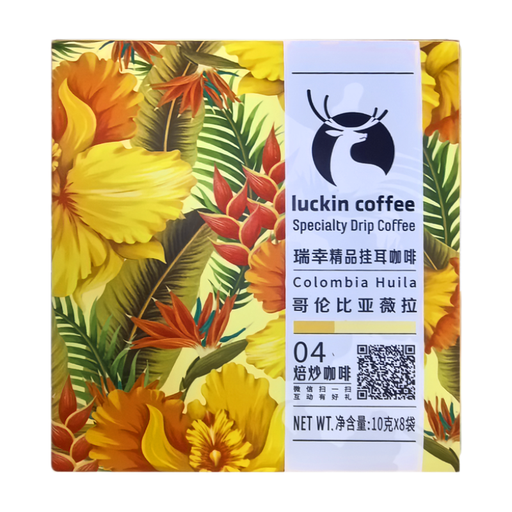
Why it suits this profile: According to the product description, these filter bags contain 100% Arabica from Colombia’s Huila region. They are individually portioned and designed for a slow pour-over brew.
The individual portion packaging makes the amount per cup clear. You will not buy a Senseo pod for a machine you do not have: this is a filter bag brewed manually.
8 bags of 10 grams; 100% Arabica according to the product specifications; suitable for home, the office or travelling.
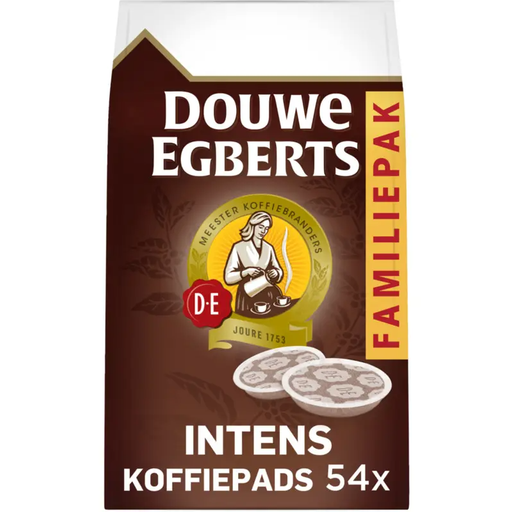
Why it suits this profile: The pack contains 54 pods and, according to the product information, is suitable for Senseo. Its stated flavour intensity is 7, with a blend of Arabica and Robusta.
The contents, origin information and flavour intensity are stated clearly. Do check the ingredients, however, as the product description mentions milk components, among other things.
54 pods; 375 grams; Arabica and Robusta blend; suitable for Senseo according to the product specifications.
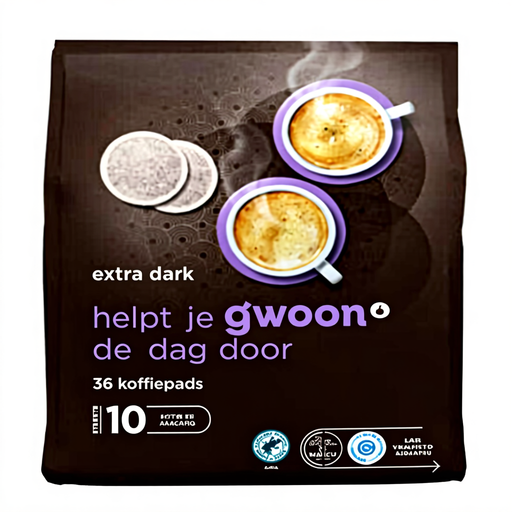
Why it suits this profile: If you are looking for a powerful cup, the product information gives this coffee an intensity of 10. The pods are designed for Senseo and come in packs of 36.
The flavour intensity is stated clearly, so “extra strong” is more than just a marketing term. According to the description, the product contains coffee only.
36 pods; intensity 10 according to the product information; not a decaffeinated variety; none of the 14 major EU allergens listed.
We have put together a complete, up-to-date list of products that fully meet these strict selection criteria and the applicable European safety regulations.
Choose Senseo coffee pods if speed and making coffee at the touch of a button are your priorities. The machine largely determines the brewing time and amount of water. Choose drip bag coffee if you do not want to use a machine, work in an office or want to take coffee with you when travelling. With these filter coffee bags, you pour hot water through the filter yourself; the product instructions usually specify around 90 to 95 °C.
When choosing Arabica filter bags, pay attention to the portion size. A 10-gram bag is generally intended for one cup, but the final strength also depends on the amount of water and the speed at which you pour.
Always follow the best-before date on the packaging. Store coffee pods in a cool, dry, sealed place away from sunlight, heat and moisture. It is best not to use damaged packaging. Once opened, keeping the pack tightly sealed will help preserve the aroma and quality.
No. Check the product description for “suitable for Senseo”. Coffee capsules and drip bag coffee use a different system. Also look for any instructions from your machine’s manufacturer.
Not exactly. “Strong” may refer to flavour intensity, roast level or the ratio of Arabica to Robusta. An extra-dark roast often produces a more powerful flavour profile, but does not by itself indicate how much caffeine a pod contains. So compare the intensity score, ingredients and preparation method on the label.
