
New to coffee photography
You mainly want to photograph a cup and the table beside a window, and are looking for a simple, versatile set-up before buying extra lenses. This use case is covered by the tips from Canon Nederland Store and Cameranu.


For a full cup with the table around it, a compact camera or a mirrorless camera with a standard zoom lens may be enough. For foam, droplets and fine textures, the key is a suitable macro lens with sufficient magnification and working distance. When window light changes, it’s also worth considering exposure and white balance controls, the position of the camera and window, and possibly a tripod, rather than focusing only on the camera body.
You mainly want to photograph a cup and the table beside a window, and are looking for a simple, versatile set-up before buying extra lenses. This use case is covered by the tips from Canon Nederland Store and Cameranu.
You want to capture milk foam, droplets or textures in close-up. Pay attention to magnification, working distance and whether the lens is compatible with your camera. Sony Support Nederland and Nikon Nederland explain what to consider when choosing a lens for macro photography.
You take photos from different angles and may also want to shoot short videos. Portability and being able to switch quickly between compositions may be important; Cameranu and FUJIFILM X | GFX eShop Nederland cover aspects of food photography and cameras for different uses.
Best for: a cup with some background, when you want to keep equipment to a minimum.
Consider: Sony says the ZV-1F has a fixed lens with a 20 mm-equivalent angle of view and no optical zoom, so you can’t adjust the framing with a zoom lens.
Best for: switching between a full cup, the table setting and different camera angles.
Consider: the zoom range and stabilisation depend on the lens in the kit you choose, so check the complete combination.
Best for: foam, droplets and other small coffee details that need to fill much of the frame.
Consider: an extra lens takes up space and can make lighting more difficult if the working distance is short. You won’t need a macro lens for every photo of a cup.
First decide how you want to frame your shot, then check which lens and controls suit the light and space you’ll be working in.
| What to consider | What should you check? | Who should consider this? |
|---|---|---|
| Changing window light and reflections | Check the exposure and white balance controls. Also think about where to position the window, camera and any reflector. | When daylight changes, I want to adjust the exposure and white balance myself and reduce reflections on the cup. This is a priority for around 33% of consumers who put lighting and reflections first. |
| Small details | Compare maximum magnification, focusing distance and working distance. Also check that the lens fits your camera mount. | For foam or droplets, I want to capture plenty of detail without the lens getting in the way of my lighting set-up. Close-ups are the top priority for around 25% of consumers. |
| Framing the cup and table setting | Compare complete kits and the zoom range of the included lens. Check that there’s room for the angle you want, including a straight-down shot. | I want to switch quickly between a full cup and a wider table setting. Around 25% of consumers put flexibility in their composition first. |
| Quick to set up and carry | Check the weight of the complete set, the included lens, and whether you really need the video or photo features. | If I take my camera with me regularly or shoot short videos too, I want a set-up that’s quick to use. This is a priority for around 17% of consumers who value speed and portability. |
The lens also affects the framing and magnification you can achieve. A standard zoom kit isn’t the same as a kit with a macro lens; for example, the Nikon Z DX MC 35mm f/1.7 is a separate lens from the Z50II standard zoom kit described here.
Compare complete body-and-lens combinations based on the photo you’ll want to take most often.
An additional compatible lens and, possibly, a tripod will take up extra space in your set-up.
Minimum focusing distance is measured from the sensor; the clear space between the front of the lens and the cup can be shorter. A short working distance can also affect where you position the light.
Check both magnification and working distance, and plan the positions of the window, reflector and camera together.
Sony says the ZV-1F has a fixed lens with no optical zoom, while the ZV-E10 II supports interchangeable E-mount lenses. The two cameras therefore offer different ways to adjust your framing.
Choose a fixed angle of view only if it suits the space available and the photos you want to take.
The EOS R50 kit with RF-S 18-45mm is a mirrorless camera with a standard zoom lens for different types of framing.
The Z50II kit with NIKKOR Z DX 16-50mm VR is a standard zoom kit; the NIKKOR Z DX MC 35mm f/1.7 is a separate macro option.
Sony offers both the compact ZV-1F with a fixed lens and the ZV-E10 II with interchangeable E-mount lenses.
The X-M5 kit with XC15-45mm combines a compact mirrorless camera body with a standard zoom lens.
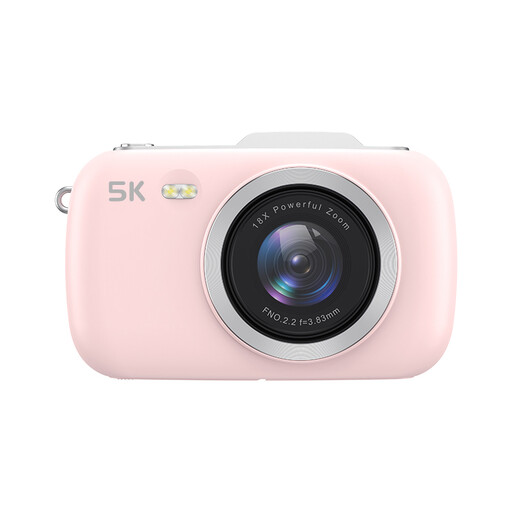
This selection of Joybuy products includes compact cameras for different types of framing and a camera with a zoom lens.
 No image available
The listed zoom may help you adjust the framing; check which type of zoom it refers to for the photos you want to take.
The product name lists 5K, 80MP and 18X zoom. An SD card isn’t included.
 No image available
The listed zoom may suit different framings of a cup and table setting; check which type of zoom is relevant to how you plan to use it.
The product name lists 4K, 44MP and 16X zoom.
 No image available
The included 16-50mm zoom lens may suit switching between a cup and a wider table setting.
According to the product information, a compatible SD card and adapter/charger aren’t included; check what you’ll need to use the camera.
No, a standard zoom lens may be enough for a full cup or a table setting. If you want small details to fill the frame, compare the magnification and working distance of a suitable macro lens.
Move the cup or camera, and try using a thin white curtain or a reflector. With shiny surfaces, also check whether the camera appears in the reflection; these adjustments don’t guarantee a specific result.
A tripod keeps your chosen framing steady while you adjust the set-up and can help when shooting with longer shutter speeds. Beforehand, check that the tripod will let you get the camera angle you want in your space.
Yes, compare the body with the lens you need for your chosen framing. You may need an extra lens for close-ups, and a tripod can be useful; for example, the Nikon macro lens is listed separately from the Z50II standard zoom kit.
For online consumer purchases, you generally have up to 14 days after delivery to change your mind, subject to legal exceptions. ACM ConsuWijzer explains this period; check the terms that apply to your purchase.
According to the Dutch Data Protection Authority, identifiable people in photos are personal data. Commercial use and publication must comply with the GDPR and have an applicable legal basis; don’t assume a coffee photo is exempt.