
Coffee detail photographer
You photograph foam, glass or cups and want to control the direction of the soft light and the shadows yourself.


For coffee photos, the size and softness of the light you can position beside or behind your drink matter more than the stated wattage alone. Choose a larger panel with a diffuser if you have room for a permanent set-up; choose a compact light and a suitable power supply if you need to clear the workspace quickly. Check which light modifiers, stand and power supply are included with each version.
You photograph foam, glass or cups and want to control the direction of the soft light and the shadows yourself.
You take photos of the same drink or menu at different times and want to be able to set the light colour and brightness again.
You need to clear away your equipment after every session; the size, safe positioning and choice between mains power and a battery determine whether the set-up is practical.
First decide how much of your coffee set-up will appear in the frame and how much room you can spare for a light and stand. Then compare the light quality, adjustability and contents of the version you’re considering.
Suitable if: you regularly want to light a whole cup, surface and props from one position and have room for a stand.
Bear in mind: you’ll need floor and storage space; NP-F batteries are not included with the NEEWER NL660 versions mentioned.
Suitable if: you want to direct the light at a fixed coffee set-up and have room for the supplied softbox. The amaran P60x package also lists a light grid and mains power supply.
Bear in mind: amaran lists the light stand separately; also check whether active cooling is suitable for your shared workspace.
Suitable if: you want to set up and move a small set quickly, without a power cable running from the light.
Bear in mind: a small panel won’t automatically give you soft light across the whole table; take a test shot to see whether you need extra diffusion.
Suitable if: you can take photos when the window light is suitable and want to work out what kind of light you need first.
Bear in mind: daylight changes throughout the day; Adobe Lightroom Academy explains that studio lighting is less dependent on the weather and time of day.
| What to consider | What to look for when buying | Who is this important to? |
|---|---|---|
| Soft, directional light | Check whether a diffuser or softbox is included, whether the light head can be adjusted and whether the lamp will fit beside or behind your set-up. Nikon USA’s food photography tip emphasises soft, filtered light. | If I want to photograph foam, glass and a cup with controlled shadows, I focus on the shape and direction of the light. For around 36% of consumers, soft, directional light is their main buying consideration. |
| Consistent light colour and exposure | Compare the colour temperature range of the exact version, check the dimming controls and note your lighting and white balance settings for each session. Adobe Lightroom Academy points out that studio lighting is less dependent on the weather and time of day. | If I photograph the same drink at different times, I want to be able to retrieve and adjust my settings. For around 29% of consumers, consistent light colour and exposure are the main buying considerations. |
| Set-up, storage and power | Measure the space available for the lamp and stand, and check the power supply and package contents for the exact version. NEEWER states that NP-F batteries are not included with the NL660; Ulanzi lists a built-in battery for the VL120 RGB. | If I need to clear the shared worktable after use, I want to be able to move the light quickly and use it without awkward cables. Around 21% of consumers prioritise a compact set-up and a suitable power supply. |
| Complete set-up | Compare what’s in the box for each version with the stand, power supply and light modifiers you already have. NEEWER and amaran list package contents for specific versions; don’t assume every model comes with the same items. | If I want to start taking photos as soon as I’ve bought the light, I need to know whether any essential parts are missing or whether I already own them. Around 14% of consumers focus on the parts needed for a complete set-up. |
A stated light output doesn’t tell you how shadows and reflections will look on a cup or glass. Diffusion and the position of the lamp also affect the result.
Compare the light modifiers and the space available for positioning, and take a test shot before assuming that more power is the answer.
NEEWER states that the NL660 uses NP-F batteries, but they are not included. The stand contents also vary by version.
Read the parts list for the exact version and check whether mains power will work for your workspace.
A small light and a larger panel suit different set-ups; a product description won’t show you how evenly your entire coffee set-up will be lit.
Decide how much of the set-up will be in the frame and test the light at the distance you plan to use it.
The NL660 is worth considering if you’re looking for a larger bi-colour panel with a diffuser.
The P60x is a bi-colour panel for anyone who wants to shape the light with the supplied softbox.
The P260C Pro is a larger panel that, according to Godox, features an integrated diffusion design and several power options.
The VL120 RGB is designed as a compact fill light for a limited workspace.
These Joybuy products are suited to photography and flexible lighting, but they’re not all portable LED panels: the selection below also includes compact photography lights, a ring light and a ceiling panel. Check that the mounting style works for a worktable you set up and clear away each time.
 Image unavailable
The magnetic attachment may suit a set-up where you want flexibility over where you position the light.
The product name lists a 500 mAh battery and a magnet on the back.
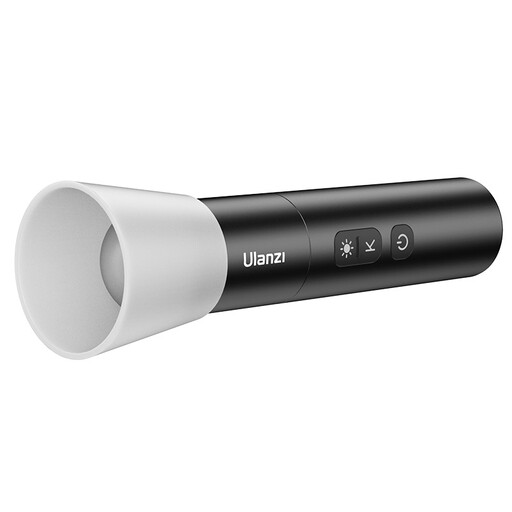 Image unavailable
The adjustable light colour and zoom function may come in handy if you want to adapt the light for a smaller set-up.
The product name lists 2000–5500 K, four brightness levels, a 2000 mAh battery, a weight of 187 g and a zoom function.
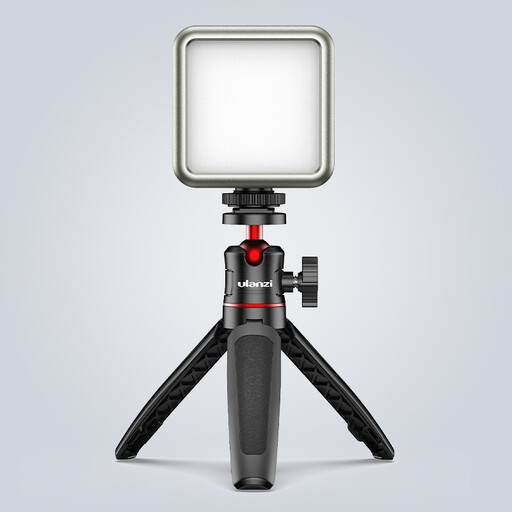 Image unavailable
This compact light may suit product photography where you want to move the light around easily.
The product name lists RGB, a 2000 mAh battery, a range of 2500–9500 K, dimming and a magnet on the back.
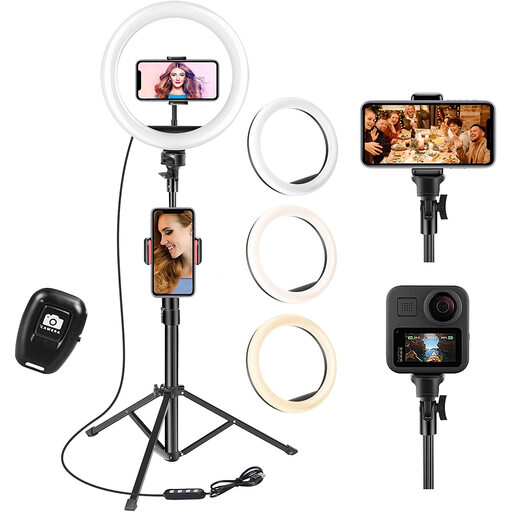 Image unavailable
A ring light produces a different kind of light from a panel; consider whether its shape suits the reflections you want to control on cups and glass.
The product name lists a remote control, a 63-inch stand, three colour modes and ten brightness levels. The product description mentions an adjustable stand from 44 to 156 cm, which will need space beside the worktable.
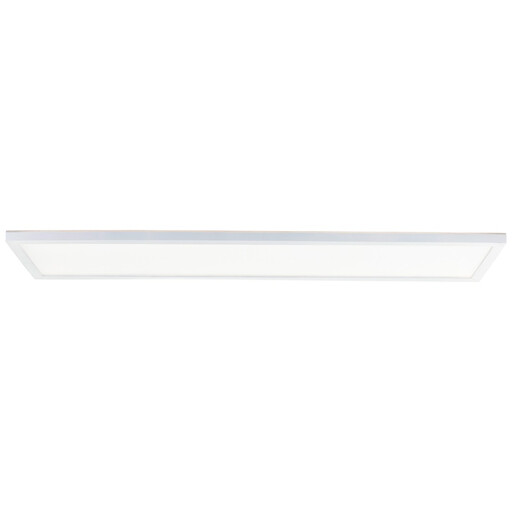 Image unavailable
According to the product description, this panel is designed for ceiling mounting, not for a worktable set-up that you move each time.
The product name lists 3000 lm and a range of 3000–6500 K. The product description mentions dimming and says that the panel cannot be rotated.
Start with soft light from the side or slightly behind, and take a test shot. A white card opposite the light source can brighten a dark shadow; adjust the position and diffusion to suit the reflections in the cup and glass.
It depends on the version. NEEWER lists a stand with the ‘NL660 with Stand’, but not with the ‘NL660 Only’; the NP-F batteries mentioned are not included. The manufacturer lists a mains adapter and diffuser with both versions.
For a consumer purchase in the Netherlands, the seller must resolve a legitimate problem with a product. According to the Dutch government, there is no fixed statutory guarantee period; a manufacturer’s guarantee or an extended warranty does not replace your statutory rights.
According to EUR-Lex, the EU Low Voltage Directive applies to electrical equipment designed for 50–1000 V AC or 75–1500 V DC. Check the stated voltage of the lamp and any mains adapter to determine whether the directive applies.