
Vandaag of morgen in huis

Kwaliteit gegarandeerd

Welkomstaanbiedingen ontgrendelen: GRATIS bezorging | Tot 80% korting | Gratis 30 dagen JoyPlus-proefperiode
Download de app
A coffee machine with a milk frother may seem straightforward to choose on paper. Yet many households pay too much for features they rarely use, or buy a machine that does not suit their daily routine. Someone who mainly wants to make a quick cappuccino has different requirements from a home barista who wants to control the grind, dose and milk texture themselves.
When comparing machines, do not focus only on pressure, the number of programs or a glossy casing. The milk-frothing system, maintenance and available space are what determine whether a coffee machine remains enjoyable to use at home.
A portafilter machine or semi-automatic espresso machine is often advertised with a pressure of 15 or 20 bar. That figure alone does not determine how an espresso will taste in your cup. The grind, amount of coffee, temperature, tamping and extraction time also make a difference.
Treat pump pressure as a technical specification, not a guarantee of quality. A 15-bar system may be perfectly adequate for home use, while a machine with higher pressure will not automatically be better suited to your beans or brewing method.
A fully automatic coffee machine can make a cappuccino or latte macchiato with very little effort, but the milk reservoir still needs attention. Milk residue must be removed and cleaned according to the instructions. Check whether the reservoir is removable and whether the machine has an automatic rinsing or cleaning program.
With a manual steam wand, more of the responsibility lies with you. It gives you control over the texture, but it must be wiped and purged after every use to minimise milk residue.
A large water tank sounds convenient, but it also takes up more space on the worktop. Check the width, depth and height, including the clearance needed to remove the water tank or bean hopper. In a small apartment, a compact Nespresso coffee machine or narrow portafilter machine may be more practical than a large appliance.
Also consider the capacity:
A fully automatic coffee machine grinds the beans, doses the coffee and often prepares an espresso, cappuccino or latte macchiato at the touch of a button. This suits households that value speed and straightforward operation. Check whether the strength, temperature and grind size can be adjusted.
A semi-automatic espresso machine or portafilter machine uses ground coffee and sometimes E.S.E. pods. You control the dose and use a steam wand for milk. This requires more practice, but gives you greater influence over the brewing process.
A capsule machine is simple and compact. However, check capsule compatibility, the cost per cup and the amount of waste produced. The Krups Nespresso Essenza Mini, for example, uses Nespresso Original capsules or compatible capsules; ground coffee is not suitable for this system.
An integrated system is convenient for making consistent recipes. According to the product specifications, the De’Longhi Magnifica Evo ECAM290.61.SB has a removable milk reservoir, automatic milk-system cleaning and settings for cappuccino and latte macchiato, among other drinks.
A separate milk frother offers greater flexibility. You can use it with a filter coffee machine, Nespresso coffee machine or simple espresso machine. Pay attention to the difference between the maximum capacity for frothing and the maximum capacity for heating. These two figures are not always the same.
Before buying, check whether the brew group, drip tray, coffee-grounds container and milk reservoir are removable. An appliance that is easy to clean is better suited to everyday use. How often you need to descale depends on water hardness and frequency of use. Set the water hardness when instructed in the manual and only use the product recommended for the machine.
With a steam wand, clean it immediately after use. With an automatic system, maintain the milk circuit, connections and reservoir according to the instructions.
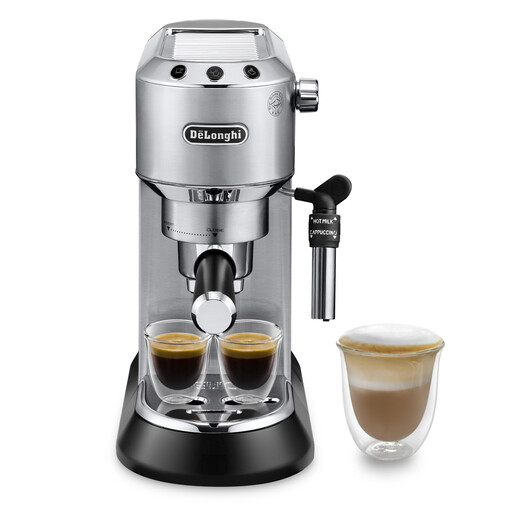
Why it suits this profile: This compact portafilter machine is suitable for ground coffee and E.S.E. pods. You stay in control of the espresso and milk without having a large bean-to-cup machine taking up space on the worktop.
The machine is 14.9 cm wide and has a removable 1.1-litre water reservoir. You do not pay for a large automatic milk reservoir that you may rarely use.
15-bar pump pressure, manual steam wand, cup warmer and the ability to prepare two cups at once.
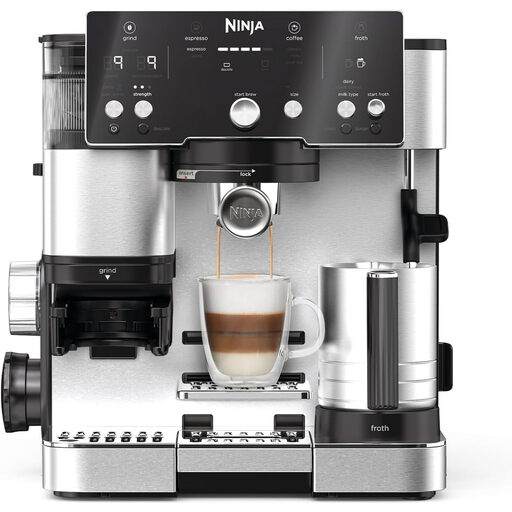
Why it suits this profile: This model combines espresso, filter coffee, an integrated coffee grinder and automatic milk assistance. It is ideal for users who want to prepare a range of different coffee styles.
The product specifications list 25 grind settings, an integrated scale and two milk-frothing settings. This means the settings are clearly defined rather than described only as marketing claims.
2-litre water reservoir, 250-gram bean hopper, filter coffee and espresso modes, and dishwasher-safe parts according to the product information.

Why it suits this profile: This fully automatic coffee machine is designed for households that want to prepare several milk-based drinks a day without manually tamping coffee or frothing milk.
The milk reservoir is removable and the machine indicates when descaling is needed. According to the product description, the brew group, drip tray and coffee-grounds container can also be removed.
1.8-litre water reservoir, 250-gram bean hopper, 13 grind settings and the ability to prepare two espressos or lungos at once.
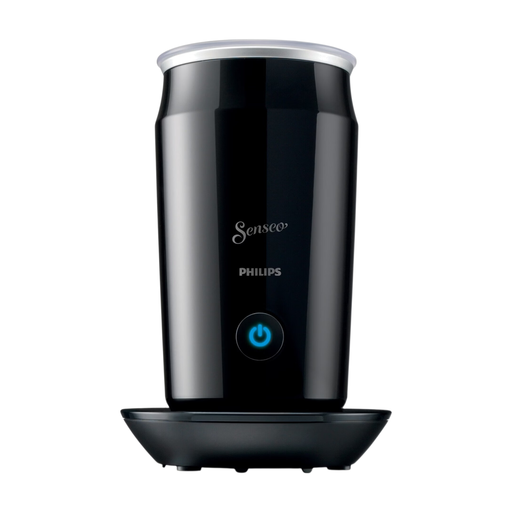
Why it suits this profile: This separate milk frother is ideal if you already have a coffee machine and simply want to add cappuccinos or latte macchiatos.
There is no need to replace your entire espresso machine. According to the product information, the 120 ml capacity is designed to froth enough milk for up to two cappuccinos.
Suitable for hot and cold milk, with a non-stick coating and dishwasher-safe parts for the top rack.
We have put together a complete, up-to-date list of products that fully meet these strict selection criteria and the applicable European safety regulations.
The purchase price is only part of the calculation. With a coffee machine with an integrated grinder, you also pay for coffee beans, water filters, cleaning tablets and descaler. A capsule machine often has a lower initial cost, but the cost per cup can rise because capsules need to be bought regularly.
Make a simple estimate in advance:
With a fully automatic machine, fill the bean and water reservoirs, attach the milk reservoir and select cappuccino. With a portafilter machine, first make an espresso, then froth the milk using the steam wand. A separate milk frother works alongside almost any home coffee machine; simply pour the froth over the espresso or filter coffee afterwards.
Its lifespan depends on usage, maintenance, water hardness and the availability of replacement parts. Regular rinsing, descaling when required and cleaning the milk circuits help limit wear and blockages. Always consult the manual for the correct maintenance schedule.
That depends on the number of cups, the price of beans or capsules and maintenance costs. A fully automatic machine may work out cheaper per cup when used frequently, but it has more parts that need cleaning. So do not compare only the purchase price; also consider the cost per drink and the maintenance involved.
