
Vandaag of morgen in huis

Kwaliteit gegarandeerd

Welkomstaanbiedingen ontgrendelen: GRATIS bezorging | Tot 80% korting | Gratis 30 dagen JoyPlus-proefperiode
Download de app
A coffee machine with a milk frother makes it easier to enjoy cappuccino, latte macchiato and espresso at home. However, the differences between models can be considerable. A fully automatic coffee machine works differently from a portafilter machine, while a separate electric milk frother may be more practical than an integrated milk system.
If you only consider the number of bar, the appearance or a temporary offer, you may later be disappointed by the coffee, face extensive maintenance or find that the water reservoir is too small. So pay particular attention to the following points.
A pump pressure of 15 or 20 bar sounds appealing, but this figure does not tell you everything about the finished espresso. The grind size, amount of coffee, water temperature and extraction time also play a part. With an espresso machine with a milk frother, stable preparation and a useful steam function are more important than having the highest possible figure on the packaging.
Milk residue can remain in tubes, reservoirs, lids or the steam wand. So check whether the parts can be removed and how they may be cleaned. An automatic system is convenient, but it still requires rinsing and regular maintenance in accordance with the instructions.
A compact capsule coffee machine fits easily into a small kitchen, but often has a smaller water reservoir and limited cup clearance. A bean-to-cup coffee machine with a large bean hopper may be better suited to a family, but takes up more space. Measure not only the width, but also the height if you need to remove the water reservoir or bean hopper.
A fully automatic coffee machine grinds the beans, doses the coffee and often prepares a milk drink at the touch of a button. This suits households that value speed and consistent recipes. According to the product information, the Krups EA819N offers espresso, cappuccino and latte macchiato, among other options, with a 1.7-litre water reservoir, a 260-gram bean hopper and the ability to prepare two cups at once.
A portafilter machine gives you more control over dosing, tamping and milk texture. The De’Longhi Dedica EC685 works with ground espresso and certain E.S.E. pods. The manual steam wand takes practice, but gives you more control over the result. At approximately 14.9 cm wide, the model is relatively slim.
A capsule coffee machine is easy to use and heats up quickly. According to the product description, the Krups Nespresso Essenza Mini XN1118 has a heating time of around 25 seconds and comes with an Aeroccino3 milk frother. Bear in mind the costs and compatibility specific to capsules. This appliance is designed for Nespresso Original capsules or compatible capsules, not loose ground coffee.
An integrated automatic milk frother is suitable if you often prepare the same cappuccino or latte macchiato. A separate electric milk frother is more flexible: you can combine it with an existing coffee maker, capsule machine or filter coffee machine.
Pay attention to the difference between heating milk and frothing it. According to the product information, the Melitta Cremio II can froth hot and cold milk and has a non-stick coating. The Philips Senseo Milk Twister CA6500/60 has a capacity of 120 ml and is intended for approximately two cappuccinos. The Severin SM 3588 can froth up to 150 ml of milk or heat up to 300 ml of milk. Capacity therefore determines how many cups you can make one after another.
For several users, a large water reservoir and a sufficiently spacious bean hopper are practical. Also look for:
Also check the available space around the appliance. A machine with a rear-mounted reservoir can be awkward to use when it is positioned close to a wall.
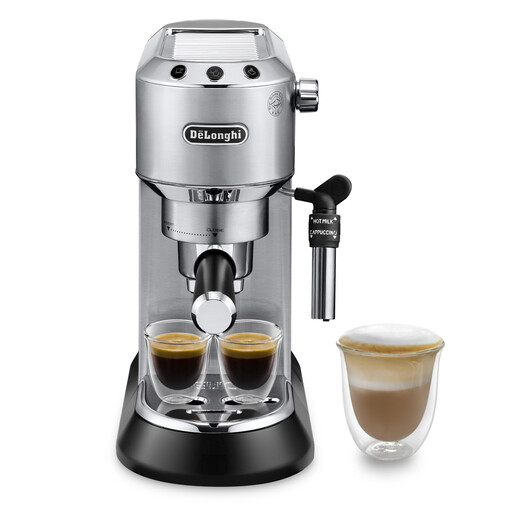
Why it suits this profile: This portafilter machine is suitable for beginners who want to use ground coffee or E.S.E. pods and learn to froth milk themselves. Its slim design takes up very little worktop space.
The specifications state that it has a removable water reservoir, a manual steam wand and a width of 14.9 cm. This makes it clear in advance which parts are required and how much space is available.
15-bar pump pressure, the ability to prepare two cups at once, a cup warmer and a manual milk frother.
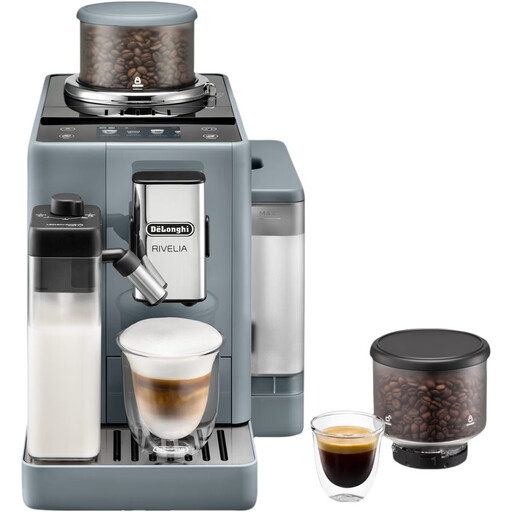
Why it suits this profile: For households that use different coffee beans and regularly prepare milk drinks, this model offers multiple automatic functions and two interchangeable bean hoppers.
The milk system uses a removable milk reservoir. This makes storage and cleaning more straightforward than with a non-removable tube system.
Automatic milk drinks, two bean hoppers, a hot-water function and support for two milk drinks at once according to the product description.
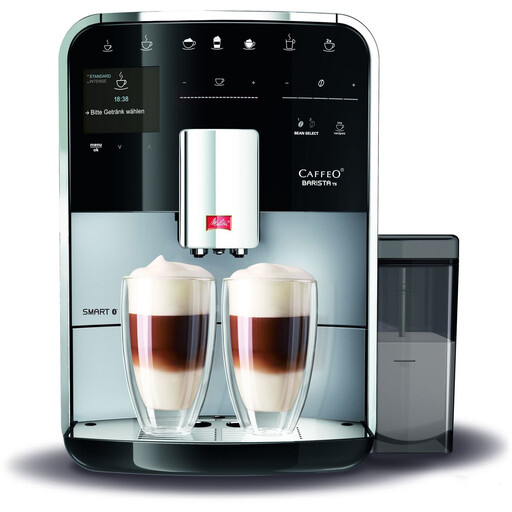
Why it suits this profile: This model is designed for users who want to combine multiple recipes, two types of beans and app control in a single home coffee machine.
The product information states that the milk reservoir is removable and dishwasher-safe. Automatic cleaning and descaling programmes are also included.
21 coffee specialities according to the product description, two bean containers with a combined capacity of 270 grams and a 1.8-litre water reservoir.
We’ve put together a complete, up-to-date list of products that fully meet these strict selection criteria and the applicable European safety regulations.
To make cappuccino at home, start with an espresso with plenty of body. Then froth the milk according to the instructions for your appliance. With a manual steam wand, move the jug gently as you introduce air; with an automatic milk frother, follow the indicated fill level.
To make latte macchiato, pour the warm milk and foam into a tall glass, then add the espresso slowly. Never use more milk than the maximum mark. Milk expands as it froths and may overflow. Clean the milk jug, whisk or steam wand immediately after use.
In addition to the purchase price, you’ll pay for coffee beans, capsules or ground coffee, milk, water filters and descaling products. A bean-to-cup machine can work out cheaper per cup, while capsules are convenient but generally tie you to a particular system. So compare the cost per cup based on your daily usage.
Its lifespan depends on usage, water quality, cleaning and descaling. Follow the maintenance intervals in the instructions, empty the drip tray and coffee-grounds container on time, and remove milk residue after every preparation. According to the product information, the models listed come with at least two years’ statutory guarantee; additional rights may apply under the relevant Dutch regulations.
Yes. A separate milk frother is suitable if you already have a filter coffee machine, capsule coffee machine or basic espresso machine. You won’t need to buy a new coffee machine straight away. Pay particular attention to the capacity, hot and cold functions, cleaning method and available worktop space.
