
Vandaag of morgen in huis

Kwaliteit gegarandeerd

Welkomstaanbiedingen ontgrendelen: GRATIS bezorging | Tot 80% korting | Gratis 30 dagen JoyPlus-proefperiode
Download de app
Buying a new coffee machine seems simple until you have to choose between an espresso machine, bean-to-cup coffee machine, coffee maker or coffee pod machine. Marketing copy often focuses on pressure, smart features and a wide range of recipes. In practice, it is mainly the maintenance, size and the way you drink your coffee that determine how enjoyable a machine is to use.
A high pump pressure sounds convincing, but it does not tell you everything about the final coffee quality. The grind, dosage, temperature and filter also play a part. An espresso machine with 20 bar is therefore not automatically suitable for every user. Also look at the adjustment options and how the machine applies pressure during brewing.
Coffee grounds, milk residue and limescale can build up in pipes, brewing units and milk components. Even a machine that appears easy to clean still requires regular attention. Check whether the parts can be removed and whether there are clear instructions for a coffee machine maintenance kit, cleaning and descaling.
Also pay attention to compatibility. Descaling tablets for a coffee machine are not universally suitable for every brand or model. For example, a maintenance kit for Bosch EQ machines will not automatically fit another system.
A large water tank and spacious bean hopper are useful in a household with several coffee drinkers. For a single user, however, they may take up more space than necessary. A compact coffee pod machine with a 0.7-litre tank may be perfectly adequate for everyday use. If you often prepare several drinks one after another, a larger tank and a fast heating system will be more useful.
Start by choosing according to your daily routine:
A 2- to 3-litre tank is practical for several users, but it also makes the appliance larger. According to the product information, the Philips Barista Brew PSA3218/01 has a 2.3-litre water tank and a 250-gram bean hopper. These are verifiable specifications that help you estimate the space required and how often you will need to refill it.
For use on the go, a smaller capacity makes more sense. The AMZCHEF portable machine has a maximum water capacity of 80 ml and a 9000 mAh battery. This makes it compact, but less suitable for a large household.
Before buying, check:
With a milk frother or steam wand, wiping it down daily is important to prevent milk from drying on it. A coffee filter, filter holder or metal plunger should also be rinsed regularly.
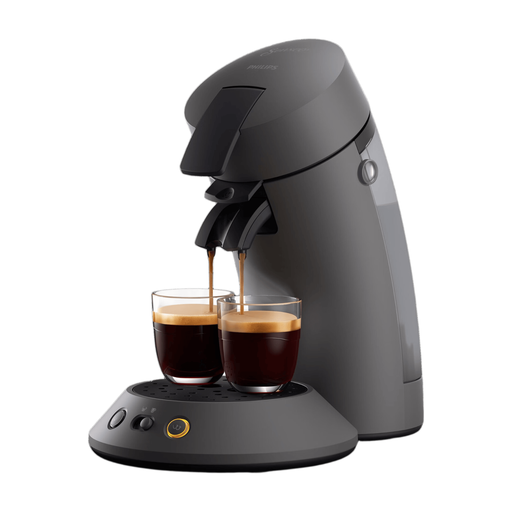
Why it suits this profile: This coffee pod machine is designed for ease of use and makes one or two cups at a time. The water tank has a capacity of 0.7 litres.
There is no bean grinder or complicated grind settings requiring extra maintenance. The manufacturer states that it switches off automatically and recommends regular descaling.
A choice of one or two cups, two pre-set drink options and a compact design.
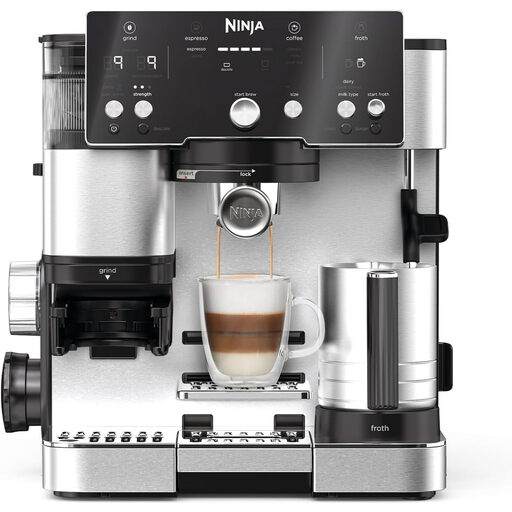
Why it suits this profile: This model combines espresso and filter coffee, has an integrated bean grinder with 25 settings and a milk frother with two frothing settings.
The specifications show which features are included rather than relying on a general quality claim. The product information mentions a 2-litre water tank and automatic rinsing cycles, among other features.
Two brewing methods, built-in scales, 25 grind settings and dishwasher-safe parts according to the product description.
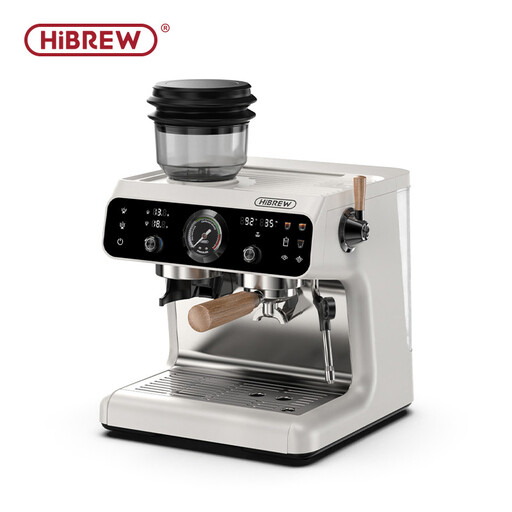
Why it suits this profile: The dual boiler, 2.8-litre water tank and 250-gram bean capacity are well suited to regular use at home, in the office or in a hospitality setting.
The capacity and maintenance requirements are easier to assess in advance. According to the product information, the burr grinder can be removed for cleaning.
30 grind settings, dual boiler, touchscreen and simultaneous coffee brewing and milk frothing according to the product specifications.
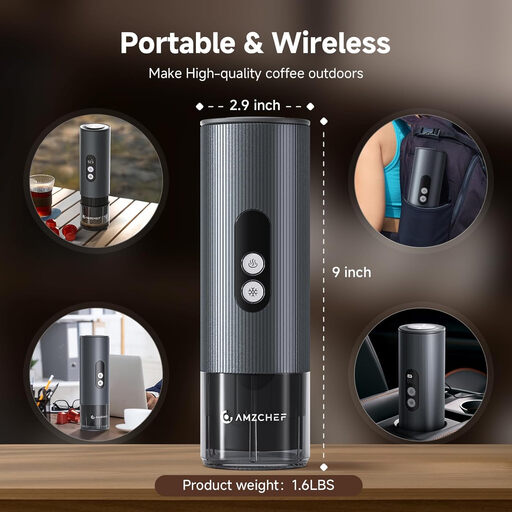
Why it suits this profile: This portable espresso machine works with NS capsules and ground coffee and has a built-in rechargeable battery.
The limited 80 ml water capacity makes it clear that this model is intended for individual servings rather than several large cups one after another.
9000mAh battery, support for capsules and ground coffee, and dimensions of 7.3 × 7.3 × 23 cm.
We have put together a complete, up-to-date list of products that fully meet these strict selection criteria and the applicable European safety regulations.
The cost per cup includes more than just coffee or pods. Allow for filters, cleaning tablets, descaler and, where applicable, a milk frother that requires additional cleaning. Use maintenance products according to the manufacturer’s instructions and follow the recommended intervals.
For Bosch automatic machines, the Bosch Care Set TCZ8004A includes 10 cleaning tablets, 3 descaling tablets, a BRITA water filter and a brush for the milk hose, among other items. For Siemens EQ machines, the Siemens Espresso Care maintenance set TZ80004A is another model-specific option containing cleaning tablets, descaling tablets, a water filter and a brush.
A French press requires less technical maintenance. The Bodum Brazil French Press has a capacity of 1 litre, a stainless-steel plunger and dishwasher-safe parts according to the product description.
That depends on the water hardness, how often you use it and the manufacturer’s instructions. Some product information recommends descaling a coffee pod machine approximately every three months, but more frequent maintenance may be needed in an area with hard water. A water filter may form part of the maintenance routine, but it does not automatically replace descaling.
Not necessarily. You may save money on capsules, but you will need to factor in coffee beans, cleaning tablets, filters and occasional maintenance. Compare the cost per cup based on your consumption and check whether the bean grinder and brewing unit are easy to clean.
An automatic bean-to-cup coffee machine is ideal for convenience and consistent recipes. A semi-automatic espresso machine gives you more control over grinding, dosing and milk texture, but requires more steps and practice. Choose the machine that suits the amount of time you want to spend making coffee each day.
