
Vandaag of morgen in huis

Kwaliteit gegarandeerd

Welkomstaanbiedingen ontgrendelen: GRATIS bezorging | Tot 80% korting | Gratis 30 dagen JoyPlus-proefperiode
Download de app
Descaling a coffee machine sounds simple: you buy a bottle or some tablets, run the programme and rinse. Yet many people choose a product that isn’t suitable for their machine. This can lead to unnecessary expense, an incomplete maintenance cycle or damage caused by using the product incorrectly.
The main pitfalls are:
Start by checking your machine’s make and model number. A descaler for a fully automatic coffee machine may require a different dose or have different instructions from a product for a filter coffee machine or portafilter machine.
Look for information confirming that the product is:
For branded products such as Siemens descaling tablets, JURA descaling tablets, Philips Saeco descaler and Gaggia descaler, compatibility information matters more than general claims such as “powerful” or “universal”. Always check your machine’s manual too.
Descaling tablets for coffee machines are compact and convenient if your machine has a dedicated tablet programme. You use a set number of tablets per cycle. This reduces the risk of using too much or too little, as long as you follow the instructions.
A liquid descaler for coffee machines offers more flexibility when your machine specifies a particular amount of solution. The liquid often needs to be diluted with water. This means one bottle may be suitable for several treatments, but the number will vary depending on your machine.
Never use a product just because the packaging says “descaler”. Products for bathroom surfaces, such as bathroom descaler, aren’t a sensible choice for a system that uses drinking water. The same goes for Calgon washing machine descaler and Antikal bathroom cleaner in the range: these are made for other uses.
Don’t compare only the number of millilitres or tablets. Also check:
According to the product description, the Siemens TZ80032A pack contains 9 tablets for 9 cleaning cycles. The JURA 61848 contains 9 tablets, with 3 tablets used per cycle according to the product information. The JURA 70751 contains 36 tablets for 12 descaling cycles. So a pack with more tablets isn’t automatically better value: the amount used per programme determines the actual cost.
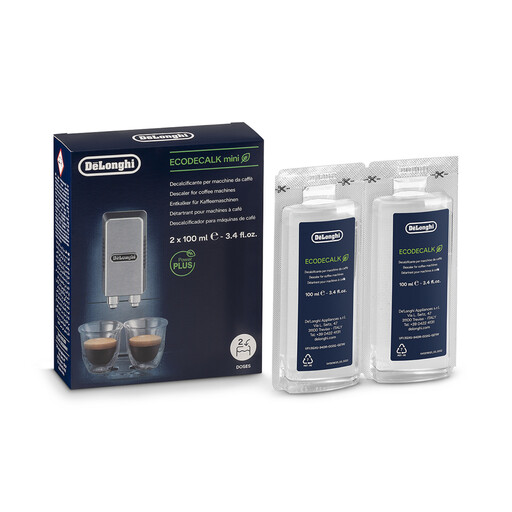
Why it suits this profile: The pack contains 2 x 100 ml bottles, making it a practical choice if you only descale an espresso machine or automatic coffee machine occasionally.
The pack is clearly specified as liquid descaler for two separate treatments. Be sure to check the dose in your machine’s manual.
Liquid formula, 2 x 100 ml and, according to the product description, suitable for espresso, filter and portafilter machines.
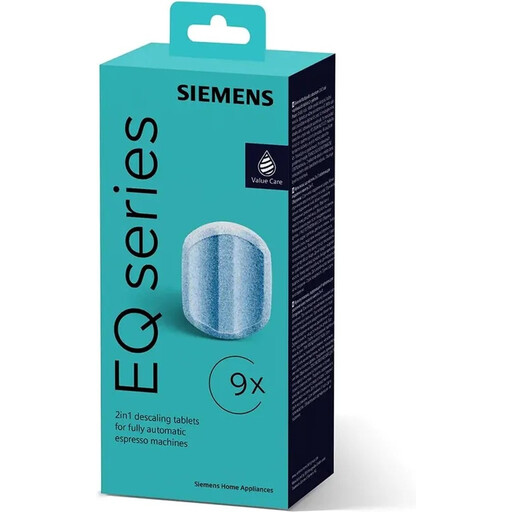
Why it suits this profile: This is a branded option for owners of Siemens EQ fully automatic and built-in fully automatic coffee machines.
Compatibility is specifically listed for Siemens EQ.series. That’s clearer than a general claim of universal use.
9 tablets and, according to the product description, a 2-in-1 function that descales and helps protect against corrosion.
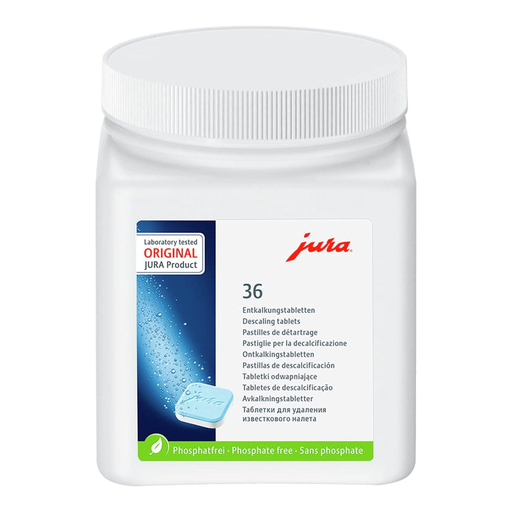
Why it suits this profile: The pack of 36 tablets is designed for JURA users who carry out maintenance regularly.
The number of tablets and the stated total of 12 descaling cycles make it easy to work out how much you’ll use in advance.
36 tablets, suitable for JURA fully automatic coffee machines, with a fixed dose according to the product information.
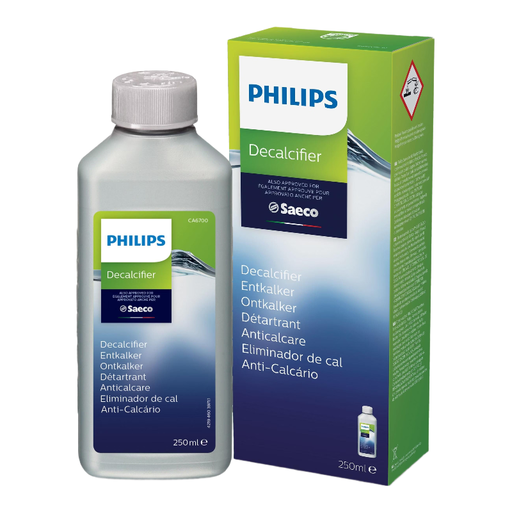
Why it suits this profile: A specific branded option for Philips or Saeco coffee machine owners who prefer a liquid descaler.
The product information lists Philips and Saeco machines as suitable. Check your specific model before ordering.
Liquid formula, 250 ml pack and clear instructions to rinse with clean water after the cycle.
We’ve put together a complete, up-to-date list of products that meet these strict selection criteria and current European safety regulations.
Always start by following the programme and dosage in your machine’s manual. The process generally works as follows:
Wear suitable protective equipment when using liquid products. For example, De'Longhi EcoDecalk DLSC500 lists skin and eye irritation as hazards. Don’t mix descalers with other cleaning products, and keep them out of reach of children and pets.
It depends on your water hardness, how often you use the machine and its settings. A machine with an automatic reminder will usually tell you when maintenance is needed. If yours doesn’t have one, follow the manual and bear in mind that you may need to descale more often if you have hard water or use the machine every day.
Neither option is automatically right for every machine. Tablets provide a fixed dose and are often designed for a specific maintenance programme. Liquid is useful when the manufacturer specifies an amount of solution. Compatibility and using the right dose matter more than the format.
Only if both the product information and your coffee machine’s manual say it’s suitable. A product for another household appliance, such as a washing machine or bathroom, shouldn’t be used in a coffee machine. Always check the model, dosage and safety instructions before descaling your coffee machine.
