
Vandaag of morgen in huis

Kwaliteit gegarandeerd

Welkomstaanbiedingen ontgrendelen: GRATIS bezorging | Tot 80% korting | Gratis 30 dagen JoyPlus-proefperiode
Download de app
Choosing a coffee machine for your home may seem straightforward at first glance. In practice, machines vary considerably in terms of operation, maintenance, coffee choice and cost per cup. A low purchase price may, for example, come with more expensive capsules, while a fully automatic coffee machine requires more space and cleaning.
So don’t focus solely on pump pressure, the number of programmes or a modern appearance. These three common pitfalls deserve particular attention:
The first choice is the type of coffee you drink every day and how much control you want.
A bean-to-cup machine grinds coffee beans, doses the grounds and prepares the drink at the touch of a button. This suits households that want to enjoy several coffee styles without weighing out coffee manually each time. Models such as a bean-to-cup coffee machine can prepare espresso, lungo and milk-based drinks. Do check how the milk system is cleaned and whether the brewing unit can be removed.
A portafilter machine uses ground coffee or, in some cases, E.S.E. pods. You decide the amount of coffee, tamping pressure and extraction time yourself. This gives you more control over the result, but it also takes practice. A separate milk frother or steam wand is needed if you regularly drink cappuccinos or latte macchiatos.
A capsule coffee machine is quick to use and often takes up little space. Your coffee choice is linked to a particular capsule system. Consider the price per capsule, waste disposal and the capacity of the water reservoir. The Nespresso Original models in this selection work with capsules from the Original system; ground coffee is not suitable for them.
Do you usually drink filter coffee, espresso or coffee made with an existing appliance, but sometimes want frothed milk? A separate milk frother is a practical addition. You won’t need to buy a complete coffee machine with a milk reservoir, and depending on the model, you can also use the appliance for hot or cold milk.
For one or two people, a reservoir of around 1 to 1.5 litres may be sufficient. In a family home or small office, a larger capacity is more convenient. According to the product specifications, the Melitta F850-101 has a water reservoir of 1.8 litres and two bean containers with a combined capacity of 270 grams. The De’Longhi Rivelia EXAM440.55.G uses two interchangeable bean containers, which is handy when you want to switch between two types of beans.
Also check the clearance above the machine. A bean hopper or water reservoir that can only be removed vertically may be awkward to access beneath a kitchen cupboard.
An automatic milk function saves manual effort, but not maintenance. Rinse the components after use as instructed in the manual, and keep a removable milk reservoir chilled when specified. With a steam wand, remove milk residue immediately.
For a separate milk frother, a dishwasher-safe jug, a clearly marked maximum fill line and automatic switch-off are useful features. Pay attention to the difference between frothing capacity and heating capacity: they are not always the same.
Don’t measure just the width: check the depth and height with lids open as well. A portafilter machine also needs space for a coffee grinder, tamper and cups. Look for a 220–240 V connection, an earthed socket and sufficient space around hot components.
A touchscreen or app can be useful, but it doesn’t guarantee a better cup of coffee. Choose the features you will actually use, such as making two cups at once, an adjustable grind size or automatic switch-off.
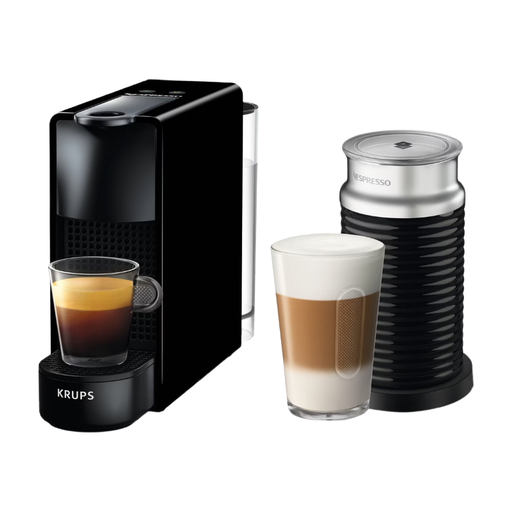
Why it suits this profile: A compact capsule coffee machine for anyone who wants to make espresso or lungo quickly, without grinding beans or filling a portafilter.
The product specifications clearly state its small capacity, so you can expect to refill it more often. The machine is designed for Nespresso Original capsules.
19-bar high-pressure system, 25-second heat-up time and a supplied Aeroccino3 milk frother.
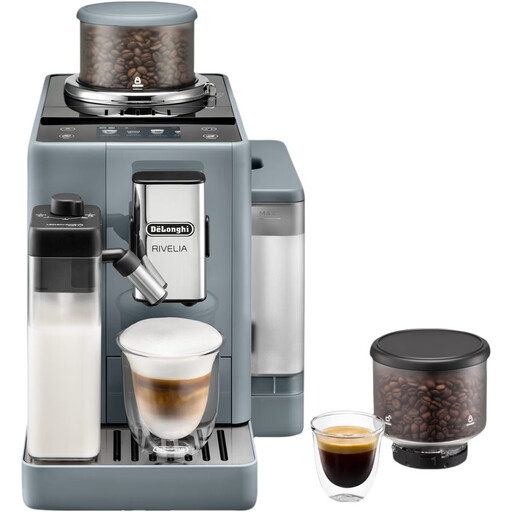
Why it suits this profile: For households that regularly use different beans and milk-based drinks, but want to keep manual steps to a minimum.
Two interchangeable bean containers help prevent beans from mixing. The integrated milk reservoir function reduces the need for manual frothing, but still requires regular cleaning.
Bean Adapt Technology according to the product description, automatic milk drinks, two milk drinks at once and a separate hot-water function.

Why it suits this profile: For users who want to grind, dose and froth milk themselves, for example in a busy home coffee bar or small office.
The dual boiler is designed to control extraction and steam separately. This means you don’t have to wait a long time for every milk drink, but the machine does require more space and settings.
20-bar pump according to the product specifications, integrated grinder with 30 grind settings, 2.8-litre water tank and 250-gram bean reservoir.
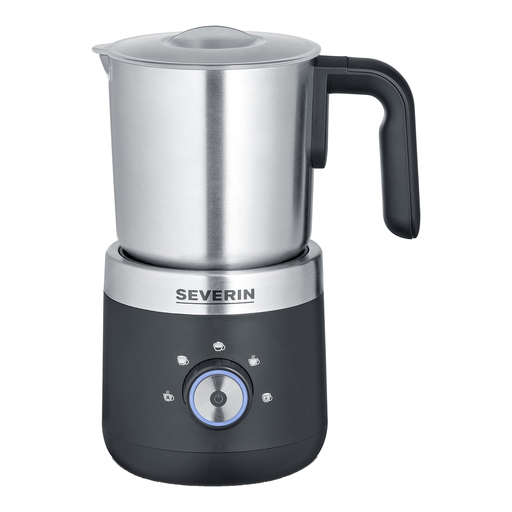
Why it suits this profile: For anyone who wants to make cappuccinos or latte macchiatos without buying a new espresso machine with an integrated milk system.
According to the product information, the milk jug is dishwasher-safe. The separate capacities are clearly stated: up to 150 ml for frothing and up to 300 ml for heating.
Suitable for hot and cold milk, two quantity settings and a stainless-steel milk reservoir.
We’ve put together a complete, up-to-date list of products that fully meet these strict selection criteria and the applicable European safety regulations.
Running costs involve more than electricity. With a bean-to-cup machine, you pay for beans, water filters, cleaning tablets and descaler. With a capsule model, the capsules are the recurring expense. A portafilter machine can be economical per cup, but a separate grinder and accessories increase the initial cost.
Clean the milk circuit or steam wand after every use. Empty the drip tray and coffee grounds container as soon as the machine indicates that they are full. Descale according to the manual and use the recommended product; vinegar is not permitted for some appliances. This helps limit malfunctions without making unsubstantiated claims about service life.
This depends on the type, usage, water quality and maintenance. A machine that makes many cups every day will wear differently from one used occasionally. Follow the cleaning and descaling instructions, and keep your purchase and warranty details. Many of the models mentioned in this selection have a statutory warranty period of at least two years, with additional rights potentially applying under national legislation.
With a capsule machine, capsule costs are usually easy to calculate: divide the price per pack by the number of capsules. With a bean-to-cup machine, you need to factor in the amount of coffee used per cup, as well as maintenance products. A portafilter machine gives you more choice over coffee beans and grind, but don’t forget the cost of a grinder, filters and, if required, a separate milk frother.
Not automatically with every model. A bean-to-cup machine with a milk reservoir does this using a preset programme. A portafilter machine uses a steam wand or separate milk frother. A capsule machine may have an integrated milk function, a separate milk frother or no milk function at all. So don’t just check whether “cappuccino” appears in the name; also check how the milk is prepared and cleaned.
