
Households with varying portion sizes
You weigh out the beans for each person or brew and want to know whether the grinder can handle the amount you use. 1Zpresso gives the J a grounds capacity of 30–35 g.


Choose a coffee grinder based on your brewing method and the smallest amount of beans you want to grind at a time. For weighed portions, a hand grinder or single-dose approach may suit you. If you grind several cups in a row, an electric model may be more convenient, but a timer or cup selector won’t automatically measure the weight. Baratza describes the Encore ESP as suitable for espresso and coarser brewing methods, while Wilfa lists other brewing methods for the Svart Aroma.
You weigh out the beans for each person or brew and want to know whether the grinder can handle the amount you use. 1Zpresso gives the J a grounds capacity of 30–35 g.
You might switch between filter coffee and espresso, for example, and want a grind range that suits the methods you actually use. Baratza describes the Encore ESP as suitable for both, while Wilfa lists filter coffee and moka among the methods for the Svart Aroma.
You grind several portions in the morning and want to keep things simple, while also checking that the grinder suits the small quantities you usually use. Wilfa describes an adjustable timer; it grinds for a set time, not to a measured weight.
First, work out your usual smallest dose and brewing method. Then check that the dosing, controls and cleaning process suit your needs.
| What to consider | What should you check? | Who is this important for? |
|---|---|---|
| Small portions | Compare your smallest dose with the grinder’s operation and grounds capacity. 1Zpresso gives the J a capacity of 30–35 g; Rommelsbacher says the EKM 200 is not particularly suitable for single dosing with 15 g. | If you weigh out beans for each person or brew, you’ll want to know what works with your small dose. Around 36% of consumers say small portions are their top priority. |
| Grind size and brewing method | Check whether the model is suitable for filter coffee, espresso or the combination you use. Read the model description to see which grind range it offers. | If your household uses different brewing methods, don’t choose a grinder based only on the number of settings. Around 29% of consumers prioritise a grinder that suits their brewing method. |
| Controls and dosing | Check whether the setting is based on time, the number of cups indicated or measured weight. The Wilfa timer grinds for a set time; the EKM 200 has a setting for 2–12 portions. | If you make several cups in the morning, simple controls can save time, but you’ll want to know exactly what the setting measures. Around 21% of consumers prioritise a quick routine. |
| Cleaning | Check the cleaning instructions for the specific model and how to access the burrs. Baratza describes how to access the Encore ESP’s burr; 1Zpresso says the J can be dismantled without tools. | If you want to clean your grinder regularly, ease of access is a practical factor to consider. Around 14% of consumers prioritise easy maintenance. |
A setting for several cups doesn’t necessarily mean the grinder will handle a small, weighed dose well. Rommelsbacher says the EKM 200 is not particularly suitable for single dosing with 15 g.
Weigh your usual smallest dose and check that the model you choose can handle that amount appropriately.
You may need extra coffee when dialling it in.
Models can be designed for different brewing methods. Baratza describes a dedicated espresso range for the Encore ESP, while Wilfa lists filter coffee, AeroPress and moka among the methods for the Svart Aroma.
Check the brewing methods listed for the exact model, and don’t assume moka is the same as espresso from an espresso machine.
Baratza says the Encore ESP is designed for both espresso and coarser brewing methods.
The Svart Aroma offers electric controls for filter coffee and other brewing methods listed by Wilfa.
According to the manufacturer, the manual J is an option for weighed small portions, particularly for pour-over.
The Mignon Zero is designed for electric single-dose grinding and precise grind adjustment.
The EKM 200 has electric controls and a setting for several specified portions.
This selection includes manual and electric coffee grinders. Compare the controls and listed grind settings with your brewing method and the smallest amount you want to grind.
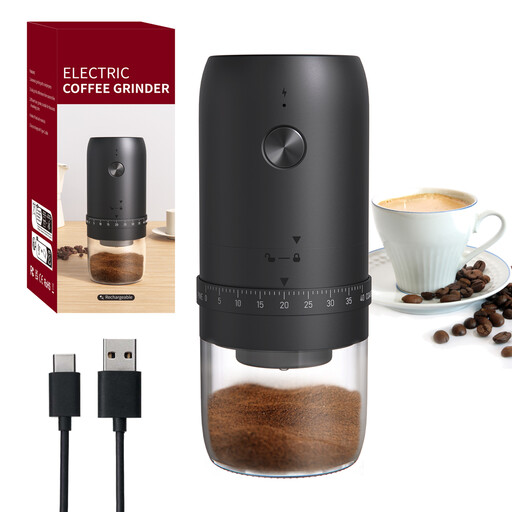 No image available
An electric option if you want to adjust the grind for different brewing methods. Check that the model suits the smallest dose you use.
Electric coffee grinder; black finish.
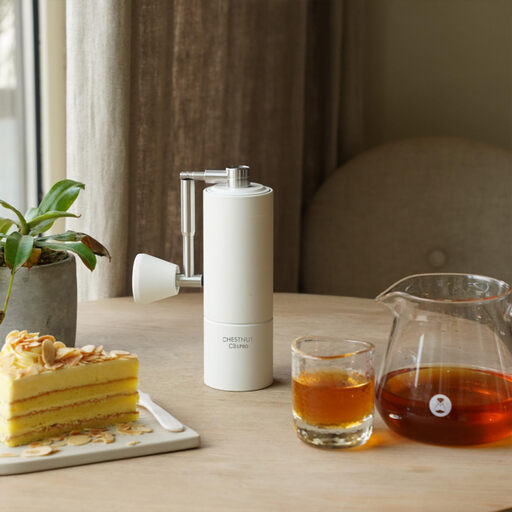 No image available
A manual option if you want to grind your own coffee and adjust the settings to suit your brewing method.
S2C conical burrs; foldable handle; adjustable from espresso to French press.
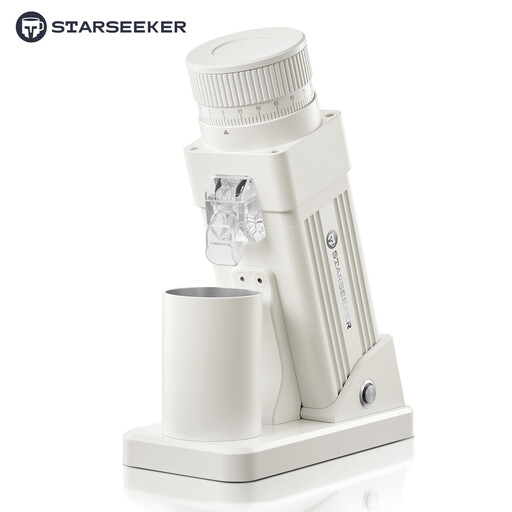 No image available
An electric option if you want to fine-tune the grind for your brewing method. Check that the settings suit the grind you need.
55 mm titanium-alloy conical burr; 72 W AC motor; stepless grind adjustment.
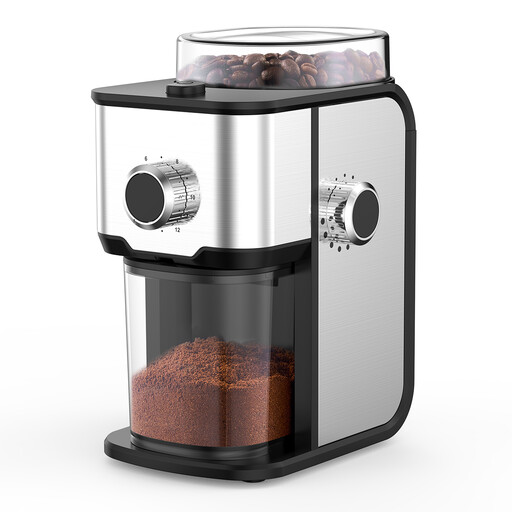 No image available
An electric option if you grind several cups in a row. Check that the cup setting suits your portion size and preferred dose.
Flat burrs; 14 grind settings; setting for 2–12 cups.
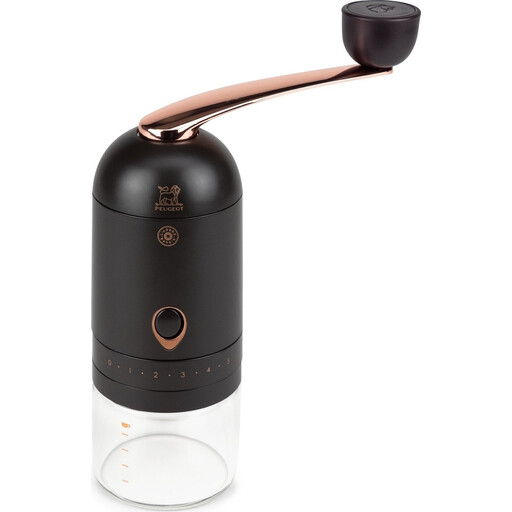 No image available
A manual option if you want to grind your own coffee and adjust the grind to suit your brewing method.
Height: 20 cm; chocolate brown finish.
Not necessarily: if you weigh out the beans each time, the smallest dose the grinder can handle and the amount it produces matter more. Rommelsbacher lists a 250 g bean hopper for the EKM 200, but says it’s not particularly suitable for single dosing with 15 g.
Follow the instructions for the exact model. For the J, 1Zpresso says it can be dismantled without tools and cleaned with a brush; the manual warns against washing or immersing the grinder.
In the Netherlands, contact the retailer if there’s a fault. The Dutch government says there’s no fixed statutory guarantee period; a manufacturer’s guarantee is in addition to your statutory rights. For online purchases, you can usually change your mind within 14 days.
Check the voltage and plug specified for the exact model, and read the relevant product information. Ondernemersplein explains that electrical appliances placed on the EU market must comply with the applicable European product rules. Once conformity has been established, the manufacturer affixes a CE mark and draws up an EU declaration of conformity.