
An occasional cup or two
You mainly grind a small amount when friends come over and want to adjust the dose to suit the number of cups. HARIO says the Mini-Slim + makes up to two cups and has a capacity of 24 g of ground coffee.


For the occasional one or two small servings, a hand grinder is a sensible choice if you don’t mind turning it yourself. If you want to serve several guests more quickly, consider an electric grinder. Above all, check that the amount you weigh out is within the grinder’s smallest practical dose and that its grind size suits your brewing method. A setting for several servings doesn’t prove that it will grind a single small dose well.
You mainly grind a small amount when friends come over and want to adjust the dose to suit the number of cups. HARIO says the Mini-Slim + makes up to two cups and has a capacity of 24 g of ground coffee.
You’d rather not grind by hand, especially when you’re making several servings in a row. KRUPS describes the F2034210 as having one-button operation and a locking lid.
For example, you might make filter coffee and espresso for guests and want to adjust the grind size to suit each method. Baratza lists separate ranges for espresso and other brewing methods for the Dutch Encore ESP.
| What to consider | What to look for | Best suited to |
|---|---|---|
| Small dose | Compare the amount you weigh out with the grinder’s capacity and check what the manufacturer says about the smallest practical dose. Rommelsbacher says that 15 g is not ideal as a single dose for the EKM 200. | When I’m grinding for one or two guests, I don’t want to use more beans than I need. This is the top priority for around 36% of consumers making this choice. |
| Speed | Think about how many servings you’ll make in a row and check how the specific model is operated. A stated maximum capacity doesn’t automatically mean that amount is required each time. | When I have several guests, I don’t want to grind each serving by hand. Speed is the top priority for around 29% of consumers making this choice. |
| Grind size | Make a note of whether you brew filter coffee, cafetière coffee or espresso, then check the adjustment range of the grinder you’re considering. Don’t assume it suits your brewing method just because it’s described as ‘fine’. | When I use different brewing methods, I want to adjust the grind to suit each one. For around 21% of consumers, choosing the right grind size is the main consideration. |
| Cleaning and storage | Check the manual to see which parts can be removed and how to clean them. Also consider how much space the grinder takes up between visits. | When I only use the grinder occasionally, I want to be able to clean and put it away without any complicated steps. This is the main priority for around 14% of consumers. |
The Rommelsbacher EKM 200 has a selector for 2–12 cups, but Rommelsbacher says that 15 g of beans is not ideal as a single dose.
For this model, check the information about the amount you weigh out. Don’t choose it solely on the basis of the number of cups you can select.
If the grinder needs more beans than your dose, you could end up with coffee left over that you don’t need straight away.
KRUPS describes the F2034210 as a blade grinder with one-button operation. According to Baratza, the Encore ESP has separate adjustment ranges for espresso and other brewing methods, giving it different operating options.
First decide which brewing methods you use, then check the settings on the exact model. Don’t assume the grinders will produce the same results based on different manufacturers’ descriptions.
Baratza lists the single-dose hopper for the Encore ESP as a separate accessory.
Check what’s in the box and read the manual for the version you’re considering.
You may need to buy the single-dose hopper separately. Also check which cleaning steps apply to the model.
The Mini-Slim + is a hand grinder for small batches. HARIO says it makes up to two cups and has a capacity of 24 g of ground coffee.
The Chestnut C3s is a compact hand grinder. The standard grounds cup has a capacity of 20 g for the version described.
The Dutch F2034210 is an electric blade grinder for anyone who values simple operation.
According to Baratza, the Dutch Encore ESP is designed for adjustable electric grinding, including for espresso and filter coffee.
The EKM 200 is an electric grinder with steel burrs and a selector for 2–12 cups.
These Joybuy products include manual and electric coffee grinders, including models with adjustable grind size.
 No image available
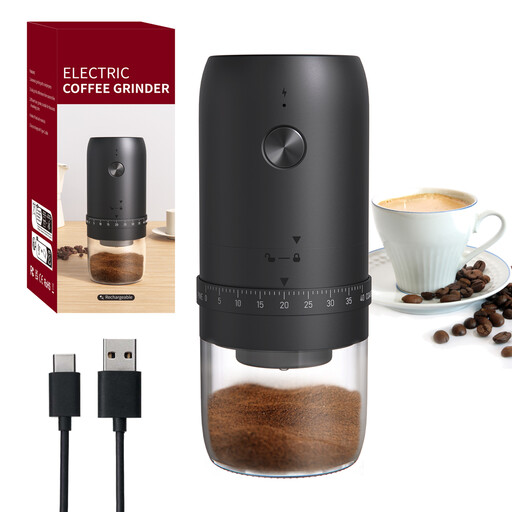
An electric option if you’d rather not grind by hand.
 No image available
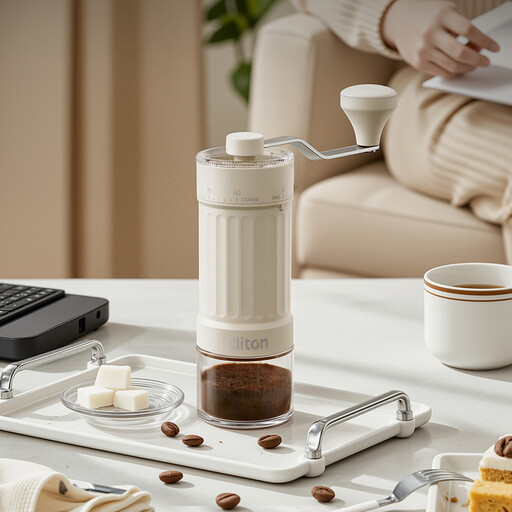
A manual option if you don’t mind turning it yourself.
 No image available
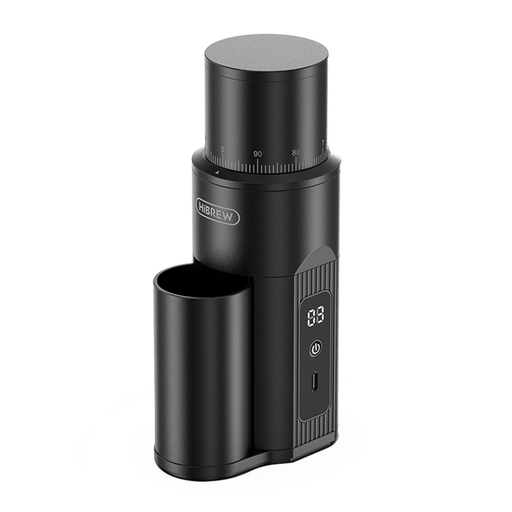
An option to compare if you want to adjust the grind size.
420 stainless steel conical burrs; 100 stepless grind settings.
Dual 5200 mAh battery system.
 No image available
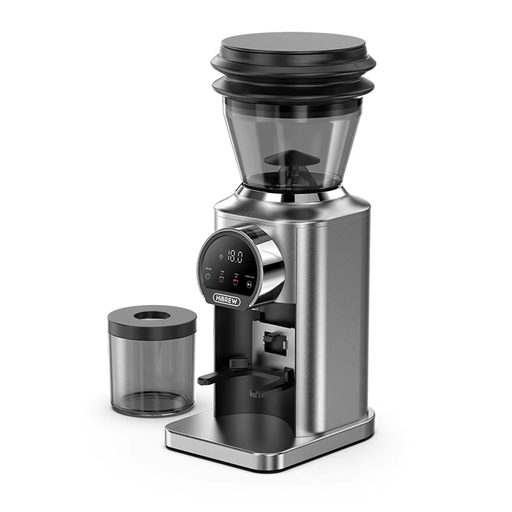
An option to compare if you want to adjust the grind size and grinding time.
Touchscreen; adjustable grinding time and 31 grind settings.
Titanium-coated stainless steel burr; portafilter holder.
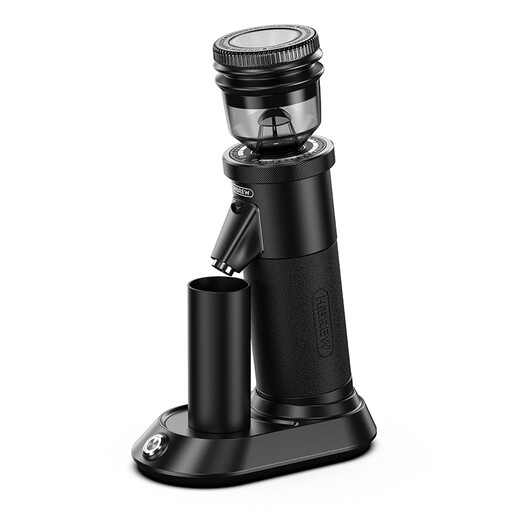 No image available
An option to compare if you want a choice of grind settings.
36 grind settings; slow and fast grinding speeds.
Compare the amount you weigh out with the grinder’s capacity and look for information about the smallest practical dose. Rommelsbacher says that 15 g is not ideal as a single dose for the EKM 200; the selector for 2–12 cups doesn’t change that warning.
Follow the manual for the exact model. HARIO says the burr section of the Mini-Slim + can be taken apart. For its grinders, Baratza recommends brushing loose coffee grounds out of the grinding chamber and chute, and thoroughly drying any washed bean hoppers and grounds containers.
For a standard online consumer purchase, ACM ConsuWijzer says you usually have up to 14 days from delivery to change your mind; check whether an exception applies. You’re also entitled to a legal guarantee from the seller if the product doesn’t perform as you could reasonably expect under normal use. This is separate from any manufacturer’s warranty.
That depends on the rules that apply to the electrical appliance. The NVWA says that electrical equipment covered by the relevant rules must have a CE marking; the low-voltage rules mentioned cover equipment with a rated AC voltage of 50–1000 V. Check which product rules apply to the specific appliance.