
Single-cup brewer with limited storage space
You grind a weighed, small portion and want to put the grinder away after use. Its capacity and the space taken up by the handle are key considerations.


If you usually grind one small batch and want to keep your worktop clear, start with a hand grinder whose capacity suits your portion. If you grind often, want to do less by hand, or make both espresso and filter coffee, compare electric grinders by their settings for your brewing method, the space they need and how they’re maintained. Capacity and adjustment options vary by model and version.
You grind a weighed, small portion and want to put the grinder away after use. Its capacity and the space taken up by the handle are key considerations.
You want to grind for two brewing methods. Check the adjustment range for the exact version, rather than relying on the burr type alone.
You grind often enough to value the convenience of an electric grinder, but you’ll also need room to use and clean it.
First decide which brewing method you use, then compare capacity for your usual portion, and finally consider whether a manual or electric grinder better suits your daily routine.
This breakdown is for consumers considering a burr grinder for small batches in a small kitchen.
| What to consider | What to look for when buying | Who is this important for? |
|---|---|---|
| Small batches and limited space | Compare the stated capacity of the exact version with your weighed portion, and measure how much room the handle needs during use. | If I grind one small portion and want to put the grinder away afterwards, I look at both its capacity and the space needed for the handle. Consumers who prioritise portion size and storage make up around 33%. |
| Grind settings for your brewing method | Check the adjustment range for the full model, especially if you make both espresso and filter coffee. | If you switch between espresso and filter coffee, you’ll want settings that suit both brewing methods. Consumers who prioritise their brewing method make up around 27%. |
| Effort involved in daily grinding | Think about how often you grind, and check where the grinder can sit and how you add the beans. | If I grind every day and would rather not turn a handle by hand, electric convenience matters, as long as there’s room for the appliance. Consumers who prioritise less manual effort make up around 20%. |
| Cleaning and peace of mind after purchase | Read the cleaning instructions for your model and check that the parts are compatible with your version and who the seller is. | If you want to know in advance how to clean the grinder and which parts are compatible, factor that information into your decision. Consumers who prioritise maintenance and peace of mind after purchase make up around 20%. |
The TIMEMORE series page lists 20 g for the C3 S Pro, but is marked as an example page. A Joybuy listing for a C3S Pro states 25 g, so those figures don’t necessarily apply to every version.
If your portion depends on it, confirm the exact model and capacity with the seller.
Baratza lists a single-dose hopper for the Encore ESP as an accessory and also mentions a dosing cup.
Check what’s included with the exact version before ordering.
CoffeeGeek describes grinding fine enough for espresso with the 1Zpresso Q Air as hard work.
Let your brewing method take priority over compact size or burr type alone.
The Q Air is a compact hand grinder for small, mainly filter-focused batches; the Q series also includes other versions.
The Mini-Slim + is a hand grinder with ceramic burrs for small quantities.
The Encore ESP is an electric grinder for anyone looking for settings for both espresso and filter coffee in one grinder.
According to TIMEMORE, Pro versions of the C3 series have a folding handle, which may be useful if storage space is limited.
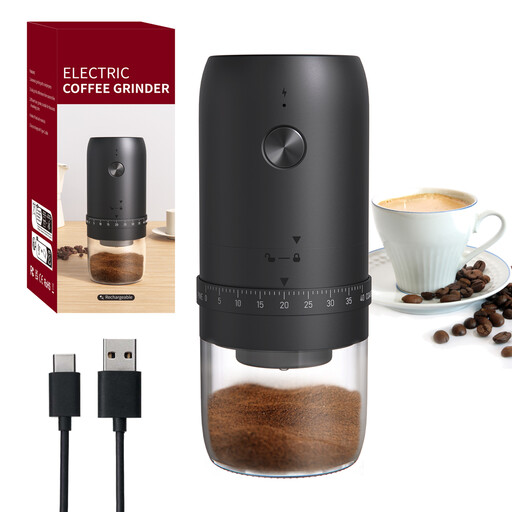
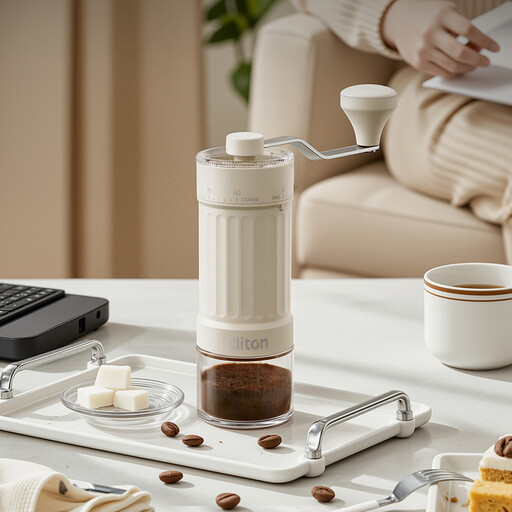
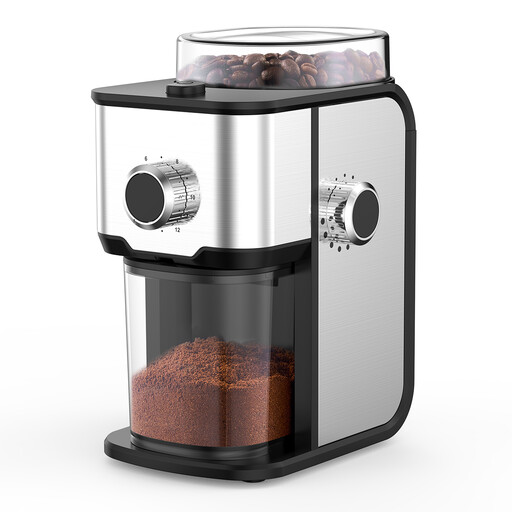
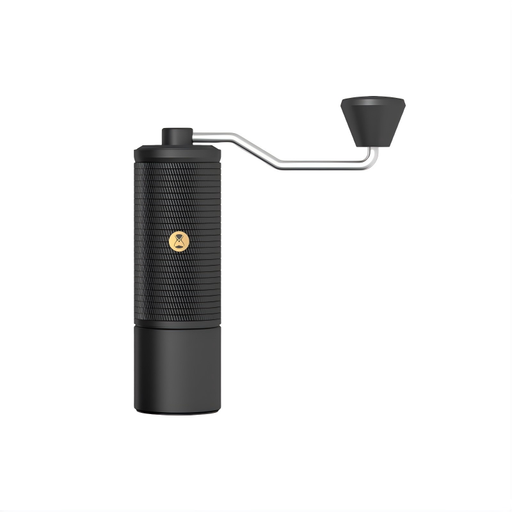
Coffee grinders on Joybuy to compare for small batches; check the capacity, settings and included parts for each version.
 No image available
An electric coffee grinder to compare if you’d rather not grind by hand.
 No image available
A manual coffee grinder to include in your comparison if you want to grind your own beans.
 No image available
The product name mentions flat burrs, 14 grind settings and a range for 2–12 cups; compare that range with the amount you usually grind.
 No image available
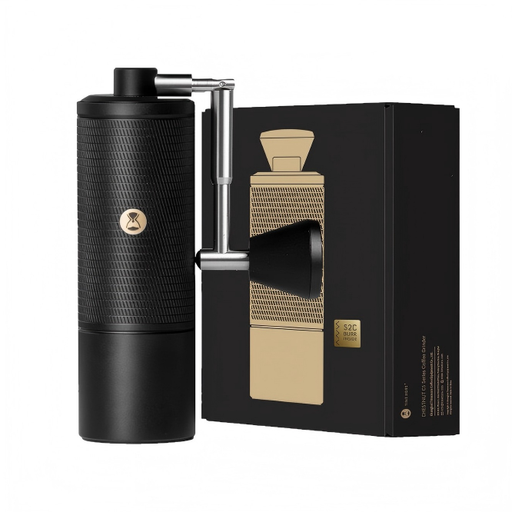
A manual TIMEMORE grinder to compare if you prefer grinding by hand; check the settings and capacity of this version.
 No image available
A manual TIMEMORE grinder to include in your comparison; check the capacity and grind settings for the version you’ve chosen.
No. Check the exact model and the brewing method you want to use it for. CoffeeGeek describes grinding fine enough for espresso with the 1Zpresso Q Air as hard work; Baratza lists a separate espresso adjustment range for the Encore ESP.
Follow the instructions for your model. The 1Zpresso Q series manual describes cleaning with a brush and warns against washing the grinder with water. HARIO Europe says the burr section of the Mini-Slim + can be taken apart for washing; don’t apply this advice to other models.
No, there isn’t a fixed statutory guarantee period that applies to every purchase. According to ACM ConsuWijzer, you’re entitled to a product that works for as long as you could reasonably expect; if something goes wrong, the seller is responsible for providing a solution under the applicable conditions. A manufacturer’s guarantee is separate. ACM ConsuWijzer also says you’ll generally have a statutory cooling-off period of up to 14 days after delivery, subject to exceptions.
Check the electrical specifications and instructions before using the grinder. The Dutch government states that electronic devices placed on the market in the EU must carry a CE mark; this doesn’t tell you whether the grind settings suit your brewing method. Check the marking on the specific version.