
If you usually make one cup
If you generally grind a small batch just for yourself, a compact grinder that you can put away between uses is worth considering. 1Zpresso lists the Q Air’s capacity as 15–20 g.


For one small batch, a compact hand grinder is an obvious choice if you’d rather not use a motor. If several people need to use it one after another, an electric grinder may be more convenient. Choose based on your brewing method: the manufacturer recommends the 1Zpresso Q Air for pour-over, while Baratza gives separate grind ranges for espresso and filter coffee for the Encore ESP. The type of drive alone won’t tell you how disruptive a grinder will sound in your office, so compare noise levels under similar conditions.
If you generally grind a small batch just for yourself, a compact grinder that you can put away between uses is worth considering. 1Zpresso lists the Q Air’s capacity as 15–20 g.
If colleagues use the same grinder, easy dosing and tidying up between uses are practical considerations. Baratza and Wilfa describe maintenance features and timer controls for their respective models.
If you use the grinder for more than one brewing method, check which settings are available on the exact version. Baratza lists separate grind ranges for espresso and filter coffee for the Encore ESP.
Best for: usually grinding one small batch, if you don’t mind turning the handle yourself.
Consider: 1Zpresso lists the Q Air’s capacity as 15–20 g and recommends it for pour-over; check separately whether it’s suitable if you make espresso.
Best for: several users who mainly make filter coffee, AeroPress or moka coffee.
Consider: Wilfa lists grind settings for these and other brewing methods, as well as an adjustable timer. The timer sets the grinding time, not a confirmed weight.
Best for: a shared coffee station where people also make espresso.
Consider: Baratza lists settings 1–20 for espresso and 21–40 for filter coffee on the Encore ESP. Switching brewing methods means paying attention to the settings and any coffee left behind.
| What to consider | What should you check? | Who is this important for? |
|---|---|---|
| Dosing small batches | Compare your usual quantity of beans with the stated capacity of the exact version, and check whether you can weigh them out beforehand. | If I usually grind one small batch, I don’t want to rely on a large supply of beans. Around 33% of consumers would make dosing small batches their top buying priority. |
| Keeping disruption to colleagues to a minimum | Assess the grinder in your own coffee station or compare noise measurements taken under the same conditions; don’t assume it will be quiet based on its drive type. | If I share the coffee station with colleagues, I want to consider how disruptive grinding may be. Around 27% of consumers would make minimising disruption their top buying priority. |
| Cleaning between users | Check which parts are accessible, what maintenance is required and whether the manufacturer advises against cleaning with water. | If several colleagues use the grinder, I don’t want the next person to find unnecessary residue. Around 20% of consumers would make easy shared maintenance their top buying priority. |
| Grind settings for your brewing method | Make a note of the coffee-making equipment in your office and compare it with the grind ranges of the exact model. | If I switch between espresso and filter coffee, I want settings that suit the brewing methods used in the office. Around 20% of consumers would make the right grind size their top buying priority. |
Wilfa describes the timer as a way to set the grinding time, not as a feature that weighs the coffee.
Weigh the beans beforehand if you want to grind a specific amount, and check how much ground coffee is left behind.
The Wilfa Svart Aroma is described as having grind settings for filter coffee, AeroPress and moka, among other methods. This alone doesn’t mean the grinder is suitable for espresso.
Check which coffee-making equipment is in your office and which grind settings the manufacturer lists for the exact version.
The Timemore specifications are for the Chestnut C3s, while the Joybuy listing is for the Chestnut C3S Pro. The similarity in name doesn’t prove that they’re the same version.
Compare the full model name and relevant specifications before treating product listings as the same model.
The Q Air is a manual option to consider for a small batch of pour-over coffee.
The Chestnut C3s series is a manual option for anyone looking for a compact grinder with an adjustable grind size.
The Encore ESP is an electric option for a coffee station where people make both espresso and filter coffee.
The Svart Aroma is an electric option for shared use, particularly for filter-based brewing methods.
This Joybuy range includes manual and electric coffee grinders. Compare the controls and grind settings with the batch sizes and brewing methods used at your shared coffee station.
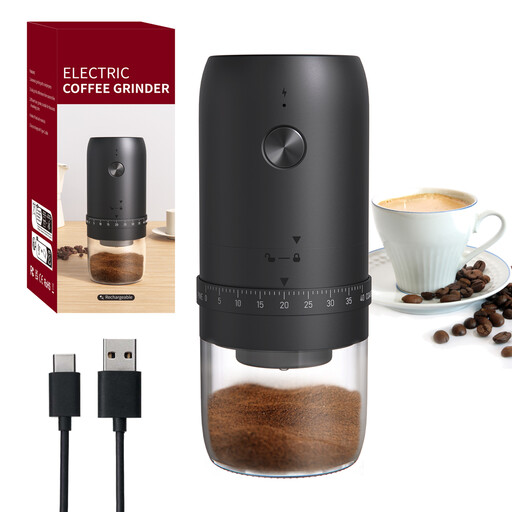 No image available
An electric option if you’d rather not grind by hand; check that the settings suit the brewing method used in your office.
The product description says it can grind from coarse for a French press to fine for espresso.
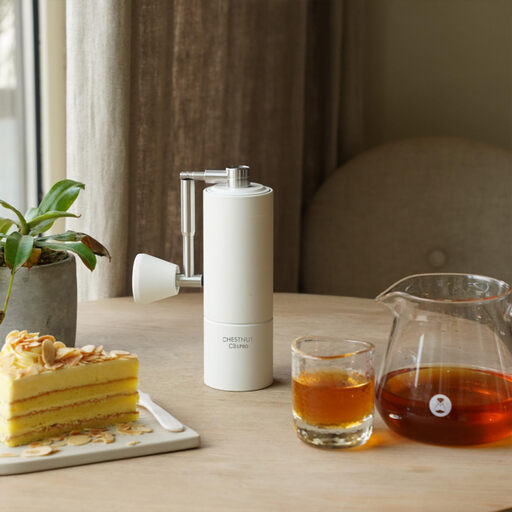 No image available
A manual option for anyone who wants to grind small batches themselves; check that the settings suit your brewing method.
The product title lists a 25 g bean hopper, adjustable grind size and an S2C stainless steel conical burr.
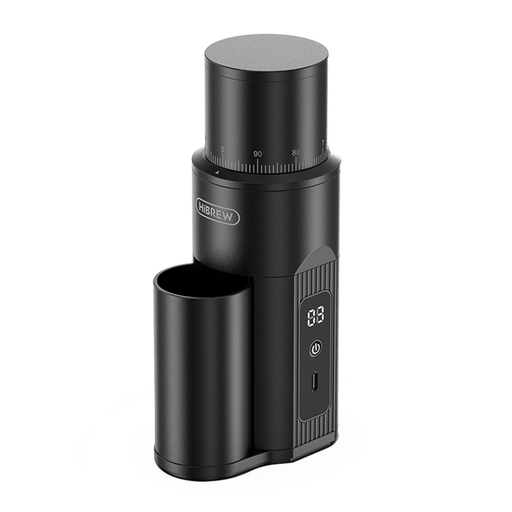 No image available
An option to compare if you’re looking for an electric grinder with an adjustable grind size; check that it’s suitable for the brewing method used in your office.
The product title lists a dual 5200 mAh battery system, a 420 stainless steel burr and 100 grind settings.
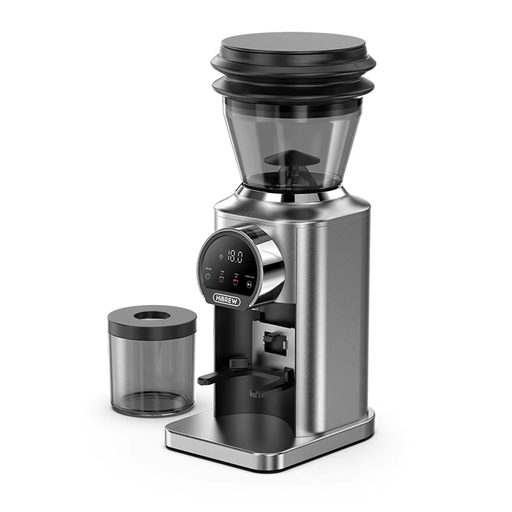 No image available
An electric option to consider if adjustable grind settings would suit the brewing methods used in your office.
The product title lists a touchscreen, adjustable grinding time, 31 grind settings and a portafilter holder.
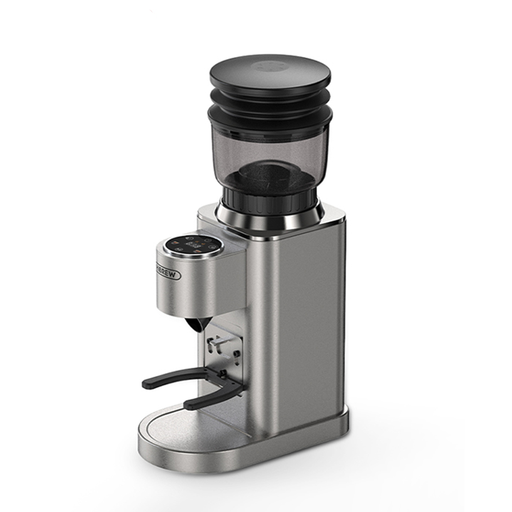 No image available
An option to compare if you’re looking for a range of grind settings and a holder for ground coffee in a portafilter.
The product title lists 48 grind settings, a stainless steel conical burr and a removable portafilter holder.
It depends on the grind settings of the exact model, not just on it being manually operated. 1Zpresso recommends the Q Air for pour-over; Baratza lists a separate espresso range for the Encore ESP.
Follow the instructions for the specific grinder. For the Q series, 1Zpresso recommends using a brush and air blower, and warns against washing the grinder with water.
Report the fault to the seller. According to the Dutch government, statutory consumer rights apply alongside any manufacturer’s warranty, and there is no fixed statutory warranty period in the Netherlands. Consumer rights do not necessarily apply to a business purchase for an office.
For applicable distance sales to consumers in the Netherlands, the Dutch government says you usually have 14 days to change your mind. These rules don’t apply to every purchase, and you can’t automatically assume that a business order for an office comes with a consumer cooling-off period.