
Vandaag of morgen in huis

Kwaliteit gegarandeerd

Welkomstaanbiedingen ontgrendelen: GRATIS bezorging | Tot 80% korting | Gratis 30 dagen JoyPlus-proefperiode
Download de app
A good coffee grinder lets you grind your beans just before brewing. However, it can be difficult to compare deals properly. A low-priced coffee bean grinder, for example, may use blades, while a more expensive model has a burr and several grind settings. You’ll notice the difference most when making espresso and filter coffee.
As a Joybuy Product Recommendation Officer, I focus on specifications you can verify: the type of grinding mechanism, the adjustment options, the power supply, the materials and the maintenance requirements. That way, you can avoid paying for features that don’t suit your brewing method.
An electric coffee grinder with a higher wattage can grind beans quickly, but wattage says little about how consistent the grind will be. Blade grinders chop the beans rather than grinding them between two burrs. This can result in a mixture of coarse and fine grounds.
A blade grinder can be practical for simple brewing methods. However, if you’re looking for a coffee grinder for espresso or precise filter coffee, a burr grinder is a better choice.
An adjustable coffee grinder may list dozens of settings, but it’s also worth checking how the adjustment works. Make sure the settings are clearly marked and that the range suits your brewing method. Espresso usually calls for a fine grind, while a French press uses a coarse grind.
A coffee grinder for filter coffee doesn’t need the same fine adjustment as an espresso grinder. So, a large number of settings isn’t proof of quality on its own.
Coffee grounds can remain in the grinding chamber and affect the flavour of your next grind. Check whether the parts are easy to access and whether the manufacturer recommends cleaning with a dry brush. Capacity matters, too. A compact grinder is often enough for one or two cups; a larger bean hopper is more convenient if several people will be using it.
A basic electric coffee grinder, such as the Bosch TSM6A017C, uses stainless steel blades and a 180 W motor, according to its product specifications. It has a push-button control and a transparent lid. The grind size is determined mainly by how long you grind the beans. It’s simple to use, but less precise than a model with adjustable burrs.
A burr coffee grinder grinds beans between two rotating surfaces. A model with conical burrs feeds the beans gradually through the grinding chamber. Always check the product details, as terms such as “precision” or “barista” don’t tell you by themselves which grinding mechanism is built in.
A wide adjustment range is useful if you use different brewing methods day to day. According to the product information, the TIMEMORE Chestnut C3S Pro manual coffee grinder has around 36 settings, from fine to coarse. The manufacturer lists espresso and French press among its uses.
The STARESSO D6E PLUS is an electric coffee grinder with a dial for adjusting the grind. According to the product information, it’s designed for espresso, moka pot, pour-over and French press. Always check the instructions when adjusting the grinder, and start with a small quantity of beans to find the grind you want.
An electric coffee grinder is especially handy when you want to grind several portions quickly. A rechargeable model with USB-C is also useful at the office or when travelling, as long as you charge the battery in good time.
A portable coffee grinder is usually manual and takes up little space. The trade-off is that you have to turn the handle yourself. Check the size of the bean hopper, how easy the grinder is to hold and how it should be cleaned. A foldable handle can come in handy when camping, hiking or travelling.
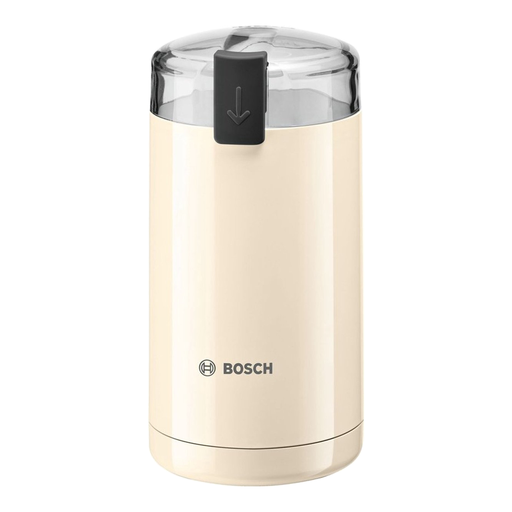
Why it suits this user type: This compact electric coffee grinder has a simple one-button control, making it suitable for anyone who wants to grind coffee beans without having to deal with lots of settings.
The product information clearly states that this model uses stainless steel blades. You’ll know that you’re not buying adjustable burrs.
180 W of power, a transparent lid, cable storage and a safety feature that requires the lid to be closed.
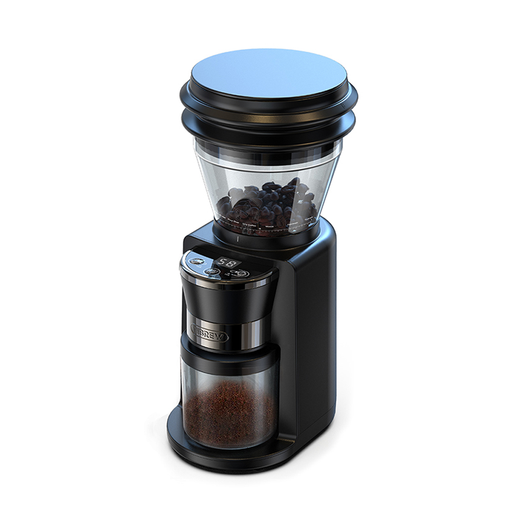
Why it suits this user type: This model is designed for anyone who wants electric operation and greater control over the grind.
The product name and specifications list 40 mm conical burrs and 31 grind settings. This makes the key technical features easy to check.
Automatic operation, manual and automatic modes, an anti-static function and a six-level memory function, according to the product listing.
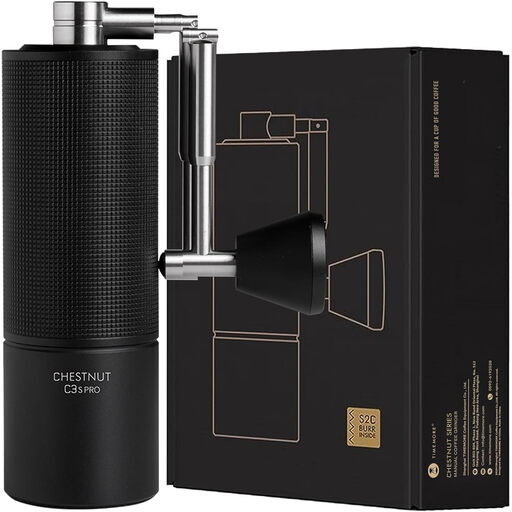
Why it suits this user type: This manual coffee grinder is suitable for home, travel, camping and hiking. Its foldable handle makes it easier to carry.
The product information lists a 38 mm conical burr and around 36 adjustable settings. This makes the adjustment range clearer than with a grinder that relies on grinding time alone.
Aluminium housing, hardened stainless steel, a foldable handle and a bean capacity of 25 g, according to the product specifications.
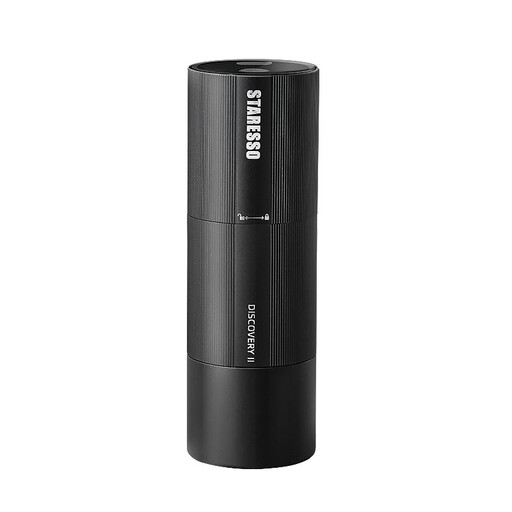
Why it suits this user type: This rechargeable model combines electric operation with a compact design for home, the office, camping or travel.
The product information lists a stainless steel burr, adjustable grind settings and a Type-C battery. Before buying, check the stated charging time and the user instructions.
One-button control, a metal housing, a 1000mAh battery and support for espresso, moka pot, pour-over and French press, according to the product description.
We’ve put together a complete, up-to-date list of products that meet these strict selection criteria and the applicable European safety regulations.
An electric coffee grinder works faster and takes less effort, but it uses electricity or needs to be recharged. A manual coffee grinder doesn’t use electricity, making it handy for travel. Your choice mainly depends on how many cups you make, how quickly you want to grind and whether you’re happy to do it by hand.
Its lifespan depends on how often you use it, the materials it’s made from and how well you maintain it. Only grind dry coffee beans, remove any residue with a dry brush and follow the manufacturer’s maintenance instructions. Don’t use water on parts that aren’t designed to be washed. According to the product information, the products listed come with a statutory warranty of at least two years, but a warranty and a product’s lifespan aren’t the same thing.
Choose a model with adjustable burrs and a sufficiently fine setting. A basic blade grinder is mainly intended for general use, where a very precise grind isn’t essential. Also check that espresso is specifically listed as a suitable use in the product description.
