
Filter coffee drinkers who want to adjust the grind
You make filter coffee and want to adjust the grind to suit your brewing method. Look for a grinder with adjustable burrs; the recommended setting may vary from model to model.


For filter coffee, a grinder with an adjustable grind setting is a sensible choice if you want to match the grind to your brewing method. Melitta says a burr grinder produces a more even grind than a blade grinder. If you grind often or make several cups at a time, an electric grinder may be more convenient, while a hand grinder suits smaller portions and limited storage space. Before choosing, check the cleaning instructions and, for an electric grinder, the product information for the UK market.
You make filter coffee and want to adjust the grind to suit your brewing method. Look for a grinder with adjustable burrs; the recommended setting may vary from model to model.
You want to grind beans without turning a handle yourself. Check the controls, the amount you can grind at a time and how to clean the grinder.
You often grind coffee just for yourself and want to be able to put the grinder away after use. Check the capacity of the specific version.
Best for: making filter coffee regularly and grinding without turning a handle by hand.
Bear in mind: worktop space, electricity and cleaning; a cup setting doesn’t automatically measure out a specific weight in grams.
Best for: grinding small portions and storing the grinder away.
Bear in mind: you have to turn it yourself, which involves more effort when grinding several portions.
Best for: anyone who values simple operation over precise control of the grind size.
Bear in mind: Melitta says burr grinders produce a more even grind than blade grinders. This is a general manufacturer comparison, not an independent test of every model.
When choosing a grinder, consumers place different importance on grind size, speed, portion size and maintenance. Always check the specifications and instructions for the exact version.
| Consideration | What to look for when buying | Who should prioritise this? |
|---|---|---|
| Grind size for filter coffee | Check the type of burrs, whether the setting is adjustable and any filter coffee guidance for the exact model. | If I want to match the grind to my filter brewing method, I look for clear settings for my model. Around 33% of consumers say control over grind size is their main buying concern. |
| Grinding quickly | Compare the controls, the adjustable amount and which parts you can clean. | If I want to make coffee quickly during a short break or grind enough for several cups, I look for controls that don’t require me to turn a handle. Around 27% of consumers put this convenience first. |
| Small portions and storage | Check the grounds container capacity and which container comes with the version you’ve chosen. | If I usually grind a small portion for one person and want to put my grinder away after use, I check the model’s dimensions and capacity. Around 20% of consumers say small portions and easy storage are their main concern. |
| Cleaning and confidence when buying | Read the cleaning instructions and, for electric models, check the product information, seller and applicable warranty. | When choosing a grinder, I want to know how to maintain it safely and who to contact if it develops a fault. Around 20% of consumers say maintenance and confidence when buying are their main considerations. |
If you want to adjust the grind size for filter coffee, the type of grinder matters. Melitta says a burr grinder produces a more even grind than a blade grinder; this isn’t an independent test of every appliance.
Check the product information for the exact model to see whether it has blades or burrs and which settings are available.
The stated 20 g for the standard Timemore Chestnut C3 refers to the grounds container. Hario lists a container capacity of 100 g for the Skerton N. These model specifications don’t necessarily tell you how many beans you can grind at once.
Check the loading capacity separately and make sure you know which grounds container comes with your version.
Cleaning instructions vary by model. Hario says that only the glass parts of the Skerton N are dishwasher-safe; Melitta advises against putting the Molino grinder or its removable parts in the dishwasher.
Follow the manual for the exact model and keep electrical parts dry, as instructed by the manufacturer.
The Dutch product information for the Molino describes an electric grinder for filter coffee and different numbers of cups.
The manual Skerton N is an option if you’re happy to grind by hand and want to compare the container capacity of different versions.
The manual Chestnut C3 is worth considering if you grind small portions and want a grinder you can put away.
Wilfa describes the Svart Aroma as suitable for filter coffee, among other uses.
Baratza describes the Encore as suitable for filter brewing, among other methods.
This Joybuy selection includes electric and manual coffee grinders. Compare their controls and the grind settings explicitly listed with what you need for your filter coffee.
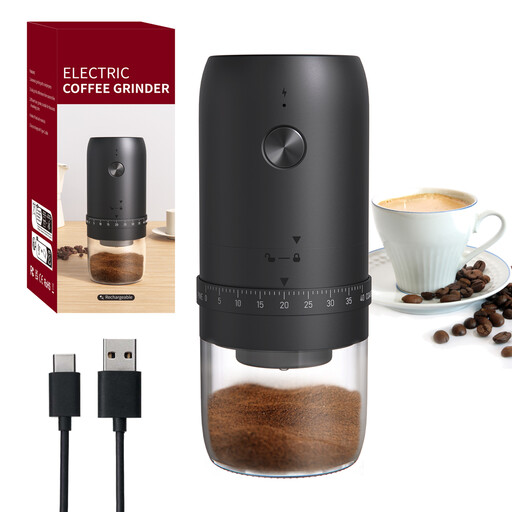 No image available
An electric option to consider if you want to grind coffee without turning a handle by hand.
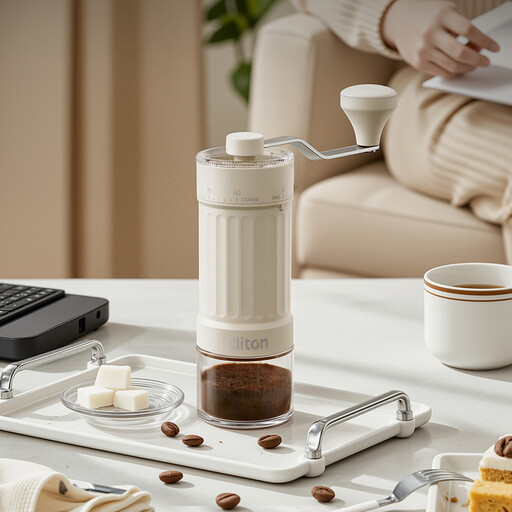 No image available
A manual option to consider if you want to grind coffee yourself; before choosing, check which settings are listed in the product information for this model.
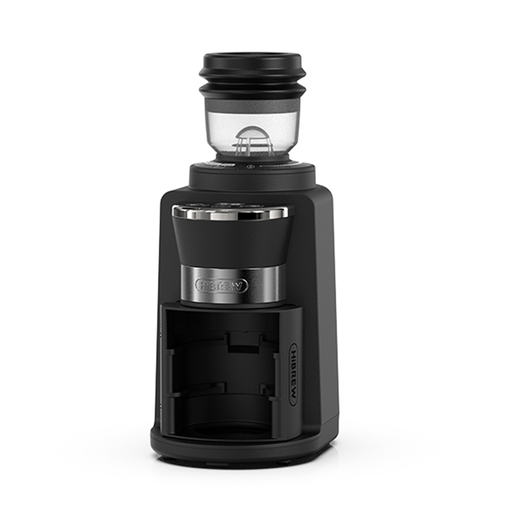 No image available
The listed grind settings may be useful if you want to adjust the grind; check that the settings suit your filter brewing method.
40 mm conical burrs; 31-setting dial; manual and automatic modes.
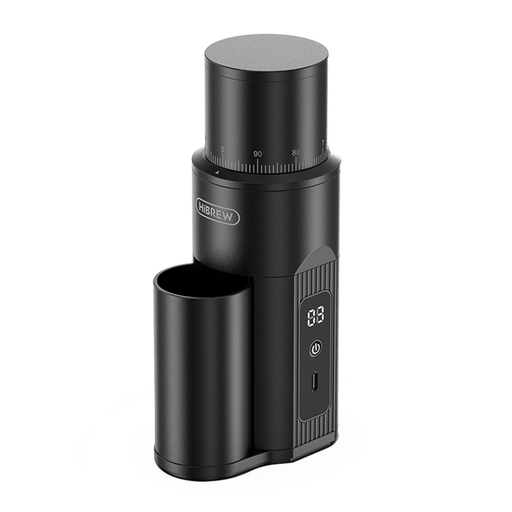 No image available
The stepless adjustment options are useful if you want to fine-tune the grind; check how the settings suit your filter brewing method.
5200 mAh dual-battery system; six-star conical burrs; 100 continuous grind settings; aluminium alloy housing.
 No image available
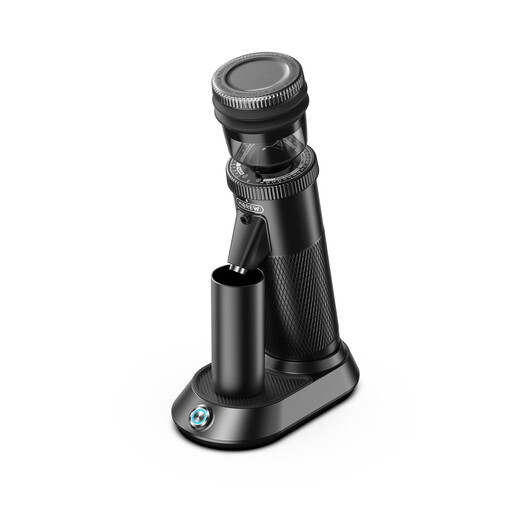
The grind settings described may be useful if you want to adjust the grind for filter coffee; check how the version on offer works and what settings it has.
48 mm conical burrs; 36 grind settings; system for clearing ground coffee; slow and fast grind settings.
No, that’s not a general rule. Melitta specifically recommends settings 4–12 for filter coffee on the Molino; don’t use those numbers for another model, and follow the guidance for your grinder.
It depends on the model and the part. Hario says that only the glass parts of the Skerton N are dishwasher-safe. Melitta advises against putting the Molino grinder or its removable parts in the dishwasher. Follow the manual for your version.
If your grinder develops a fault, contact the seller. According to the Dutch government, there is no fixed statutory guarantee period in the Netherlands; what you can expect in terms of a product’s lifespan depends, among other things, on the product and the sales information. A manufacturer’s warranty is in addition to your statutory rights.
According to the Dutch government, online purchases from a business often come with a 14-day cooling-off period. Under that guidance, an online purchase from a private seller doesn’t count as a distance sale in this sense.
Check the product information for the model on offer and who the seller is. According to the Dutch Business.gov.nl website, after checking that the applicable requirements are met, the manufacturer must apply a CE mark and draw up an EU declaration of conformity. This alone doesn’t establish whether a particular offer complies with the rules.