First, choose a grinder to suit your brewing method. If you alternate between regular beans and decaf, grind a measured portion for each cup. For filter coffee, it’s important to have a suitable grind range; for espresso, the grinder must explicitly support fine adjustment. Grinding by hand takes effort, and decaf isn’t completely caffeine-free: the Netherlands Nutrition Centre states that a 125 ml cup contains around 3 mg of caffeine.
Who is this choice relevant to?
For switching between regular coffee and decaf
You want to grind a separate portion of decaf for the afternoon without mixing beans in a full hopper. In that case, measured dosing and easy cleaning may matter more than a large bean hopper. Baratza mentions a dosing cup for the Encore ESP; check how to clean the burrs on each model.
For filter coffee drinkers with an afternoon ritual
You make decaf using a filter or a similar brewing method, and mainly want a suitable grind range and enough capacity for each brew. Hario lists the Mini-Slim+ as having a bean capacity of 24 g; check that this suits your recipe.
For home baristas who also make decaf espresso
You need a grinder whose settings are explicitly suitable for espresso. A grinder designed for filter coffee won’t necessarily grind finely enough: Fellow says the Ode Gen 2 doesn’t grind finely enough for espresso.
What should you look for when choosing?
Start with your brewing method. If you alternate between regular beans and decaf, also consider dosing and cleaning.
| What to consider |
What should you check? |
Who is this most important for? |
| Keeping beans separate |
Check whether you can dose a single portion and whether the grounds container and burrs are accessible as described in the instructions. |
If I alternate between regular beans and decaf, I want to be able to dose each cup and deal with any leftover grounds. Around 36% of consumers make switching between beans their top priority. |
| Filter range and portion size |
Check that the grind range suits your brewing method and compare the stated capacity with your recipe. |
For my filter coffee, I want a suitable grind size and enough capacity for my recipe. Around 29% of consumers make filter brewing their top priority. |
| Espresso settings |
Check that the exact model is explicitly suitable for espresso and find out how the fine adjustment works. |
If I make decaf espresso, the grinder needs to support fine adjustment. Around 21% of consumers make espresso settings their top priority. |
| Manual or electric |
Consider how much effort you’re willing to put in, what cleaning the instructions recommend and, for an electric grinder, the voltage of the exact model. |
During my afternoon break, I want to weigh up how much manual effort I’m happy with against the convenience and upkeep of an electric grinder. Around 14% of consumers prioritise manual use or the convenience of an electric grinder. |
Common buying mistakes
-
Assuming decaf is completely caffeine-free
Decaf still contains caffeine. The Netherlands Nutrition Centre states that a 125 ml cup contains around 3 mg. If you alternate between different beans, leftover coffee grounds may also need attention.
Bear in mind that decaf doesn’t guarantee zero caffeine. Grind one portion at a time and follow the grinder’s cleaning instructions. Don’t assume that using a shared grinder will produce coffee that’s completely caffeine-free.
-
Choosing a filter grinder for espresso
Fellow states that the Ode Gen 2 doesn’t grind finely enough for espresso, so a filter grinder isn’t automatically suitable for this brewing method.
Before buying, check whether the exact grinder supports espresso. If you want to make espresso, you may need a separate grinder designed for it.
-
Assuming every electric model is compatible with your mains voltage
Fellow’s international product page lists 120 V for the Ode Gen 2; Baratza’s Dutch manufacturer page lists 220–240 V for the Encore ESP. These specifications apply to the models mentioned and don’t tell you which version is included in a particular offer.
Before buying, check the voltage of the model on offer and the appliance label. Don’t rely on the model name alone.
-
Assuming all hand grinders are cleaned in the same way
Instructions vary by model. Hario says the grinding section of the Mini-Slim+ can be dismantled and washed; the 1Zpresso Q Series manual, on the other hand, says not to wash the grinder with water.
Check the instructions for the exact model before cleaning the burrs after switching beans.
Brands to consider
Hario
Hand grinders for those who want to grind individual portions.
- According to Hario, the Mini-Slim+ has ceramic burrs, a bean capacity of 24 g and a removable, washable grinding section.
- Check that the capacity suits your recipe; the cleaning instructions for this model don’t automatically apply to other hand grinders.
1Zpresso
Hand grinders with individually adjustable grind settings; the Q Series is designed for smaller portions.
- The manufacturer lists a grounds capacity of 15–20 g for the Q and Q2 S.
- According to the Q Series manual, the grinder must not be washed with water. Check the specifications for the exact model.
Baratza
The Dutch version of the Encore ESP is designed for those who switch between espresso and filter coffee.
- According to the Dutch manufacturer page, the Encore ESP has separate ranges: settings 1–20 for espresso and 21–40 for filter coffee, cafetière or cold brew. The grinder also comes with a dosing cup and has easily removable burrs.
- The single-dose hopper is optional and isn’t included as standard.
Fellow
Fellow says the Ode Gen 2 is designed for brewed coffee, while its Opus 2 is intended for espresso.
- Fellow describes the Ode Gen 2 as a grinder for brewed coffee, such as pour-over and drip.
- Fellow states that the Ode Gen 2 doesn’t grind finely enough for espresso. The international product page lists 120 V; check the voltage of the specific model before using it in the Netherlands.
Coffee grinders at Joybuy
These coffee grinders from Joybuy are suited to grinding individual portions and choosing a grind size to match your brewing method. Check the settings and any usage restrictions for each model.
 No image available
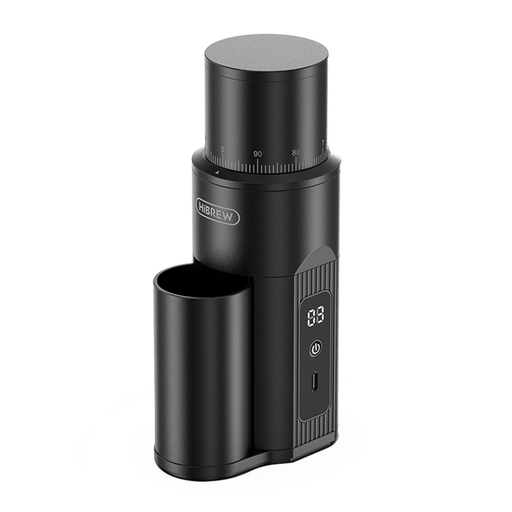
HiBREW G5MINI coffee grinder, 5200 mAh Dual Battery System
An option if you want to adjust the grind size for different brewing methods.
The product name lists 100 grind settings and a conical burr. It also specifies 420 stainless steel and an aluminium alloy body.
View at Joybuy
 No image available
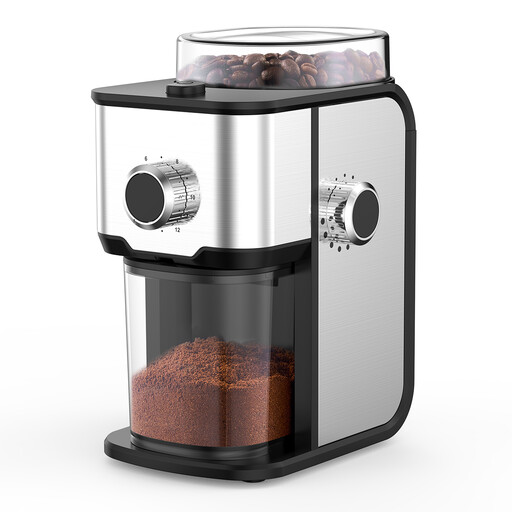
Ollygrin BG705 electric coffee grinder with flat burrs
An electric option if you want to adjust the grind size for your coffee.
The product name lists 14 grind settings and a setting for 2–12 cups.
View at Joybuy
 No image available
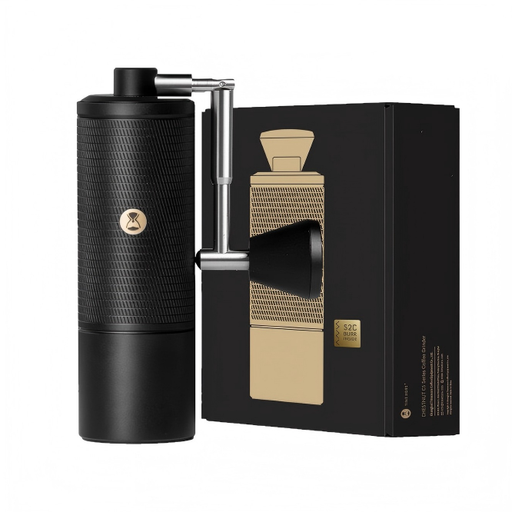
TIMEMORE C5 Pro manual coffee grinder
A manual option if you want to grind a portion of coffee beans yourself.
View at Joybuy
 No image available
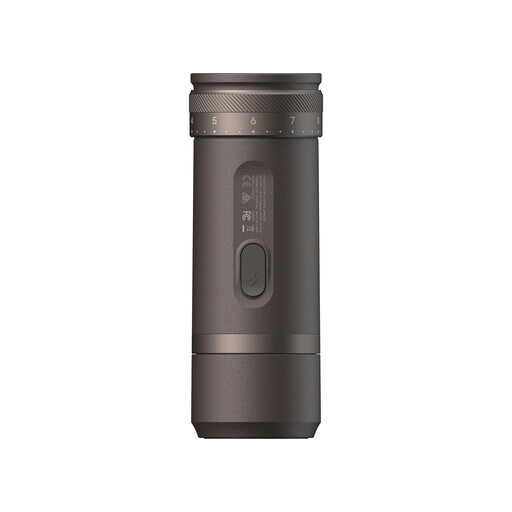
OutIn Fino portable coffee grinder, Tundra Brown
A portable coffee grinder for those who want to grind coffee beans one portion at a time.
Do not immerse the appliance, battery compartment or USB port in water.
View at Joybuy
 No image available
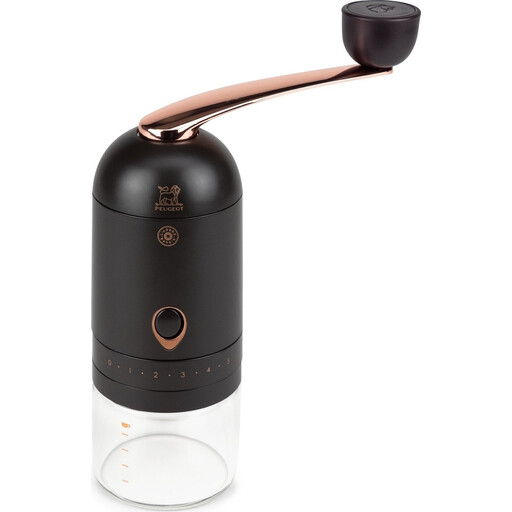
Peugeot L’Arbre Café manual coffee grinder, 20 cm, Chocolate
A manual grinder if you want to grind the beans for your cup of coffee yourself.
The product name lists a size of 20 cm.
View at Joybuy
Frequently asked questions
Is an afternoon cup of decaf completely caffeine-free?
No. The Netherlands Nutrition Centre states that a 125 ml cup of decaf contains around 3 mg of caffeine, although the amount can vary. A coffee grinder doesn’t remove caffeine.
Can I rinse a hand grinder under the tap after making regular coffee?
It depends on the model. Hario says the grinding section of the Mini-Slim+ can be dismantled and washed. The 1Zpresso Q Series manual, on the other hand, says not to wash the grinder with water; follow the recommended dry-cleaning instructions for that model.
Can a filter coffee grinder also grind decaf for espresso?
Not necessarily. Fellow says the Ode Gen 2 doesn’t grind finely enough for espresso. Baratza’s Dutch manufacturer page does list a separate espresso range for the Encore ESP. For other models, check whether the exact version is explicitly designed for espresso.
What cooling-off period and guarantee apply to an online purchase in the Netherlands?
When you buy from a business at a distance, you’re often entitled to a 14-day cooling-off period, although there are exceptions. The Dutch government also states that there’s no fixed statutory guarantee period in the Netherlands; if a product is faulty, the retailer is your point of contact. The cooling-off period for a purchase decision and your rights if a product is faulty are two different things.


