
Light-packing holidaymaker
Wants to grind coffee beans without a power socket and is happy to grind several small batches for a larger brew. According to 1Zpresso, the Q Air has a grounds container capacity of 15–20 g.


Choose based on your brewing method, how much coffee you make at a time and the power supply available. A compact hand grinder takes up little room in your luggage, while a larger grounds container or an electric grinder may mean fewer trips to empty or grind. There’s no single set grind size for cold brew: HARIO recommends a medium-fine grind for its filter bottle, while OXO recommends a coarse grind for its compact cold brew system. So follow the recipe and instructions for your own filter or brewer.
Wants to grind coffee beans without a power socket and is happy to grind several small batches for a larger brew. According to 1Zpresso, the Q Air has a grounds container capacity of 15–20 g.
Wants to empty the grounds container less often when preparing a jug, so compares the stated capacity. HARIO gives the Skerton N a capacity of 100 g of ground coffee.
Wants to use the grinder for other coffees too, adjusting the grind size to suit the recipe or brewer. Baratza gives settings 21–40 on the Dutch Encore ESP for methods including filter coffee, cafetière and cold brew.
This table is for people choosing a coffee grinder for cold brew in a holiday cottage. It shows which buying priority is likely to guide their choice.
| What to consider | What to look for | Who is this important for? |
|---|---|---|
| Taking it with you and grinding without power | Check the dimensions, weight, handle and grounds container capacity of the exact model. Consider whether hand grinding will suit the size of your batch. | If I have limited luggage space or don’t want to rely on a power socket, a hand grinder is a higher priority for me. Around 33% of consumers prioritise portability. |
| Amount per grind | Compare the bean hopper capacity and grounds container capacity separately, and work out how much ground coffee your recipe calls for. For example, HARIO uses 55 g of coffee in a recipe for its filter bottle; this isn’t a universal dose. | If I’m making cold brew for several people, I want to know how often I’ll need to empty the grounds container. Around 27% of consumers give batch size the highest priority. |
| Grind size for my brewing method | First read the instructions for your filter or brewer, then check that the grinder you choose has a suitable setting. | If I want to use one grinder for different recipes, I want to be able to adjust the grind size to suit them. Around 27% of consumers prioritise this flexibility. |
| Cleaning and aftercare | Check which parts can be removed, how they can be cleaned and who to contact if something goes wrong. | If I’m using a grinder in a shared holiday kitchen, I want to know how to clean it in line with the manual. Around 13% of consumers say maintenance and aftercare are their top priority. |
The recommended grind size varies by filter and brewer: HARIO recommends a medium-fine grind for its filter bottle, while OXO recommends a coarse grind for its compact cold brew system.
Choose your recipe and filter first, then set the grinder according to the instructions provided.
The 100 g capacity HARIO gives for the Skerton N refers to ground coffee in the grounds container. 1Zpresso gives the Q Air a grounds container capacity of 15–20 g; these figures don’t tell you how many beans fit in the hopper at once.
Compare the capacities stated for the exact grinder and work out how many batches your recipe will require.
The stated capacity varies across the TIMEMORE C3s range. The Rommelsbacher specification consulted also doesn’t confirm the ‘Made in Germany’ claim for the EKM 200.
Check the full model name and version with the manufacturer, and don’t use an unconfirmed country-of-origin claim as a reason to buy.
The Q Air is a compact hand grinder for light travellers who grind small amounts at a time.
The Skerton N is a hand grinder with a glass grounds container. HARIO also publishes a recipe for its own cold brew filter bottle.
The electric EKM 200 is worth considering if you have access to power and worktop space, and are looking for larger hoppers.
The Dutch Encore ESP is an option if you want to use the same electric grinder for espresso and other brewing methods.
The Chestnut C3s range includes hand grinders with steel burrs. Compare the exact C3s, Pro or Max version.
This Joybuy selection includes manual and electric coffee grinders with adjustable grind settings or grind sizes. Check that each model’s controls, power supply and available settings suit your recipe and stay.
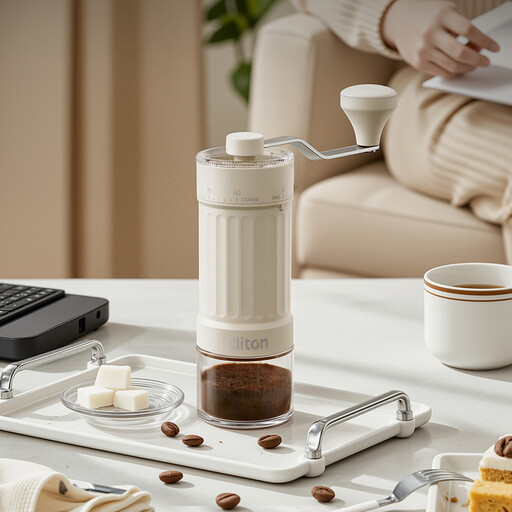 No image available
A hand grinder to consider if you want to grind without electricity and adjust the grind to suit your recipe.
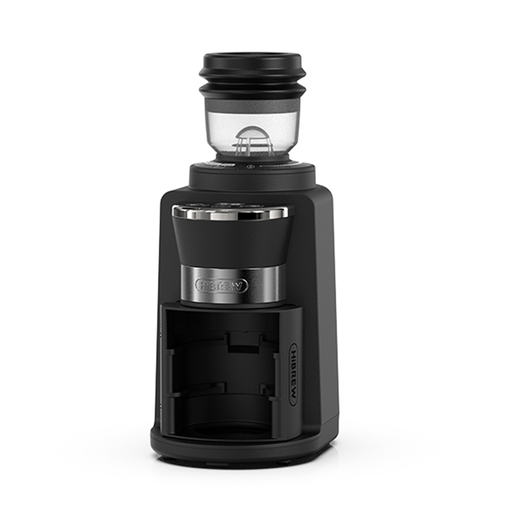 No image available
Consider this grinder if you want to compare settings for different recipes and would find the portafilter holder useful.
The product title lists a 40 mm conical burr, 31 grind settings, manual and automatic modes, a blower, a memory function and an anti-static function. Check which features are useful for your brewing method.
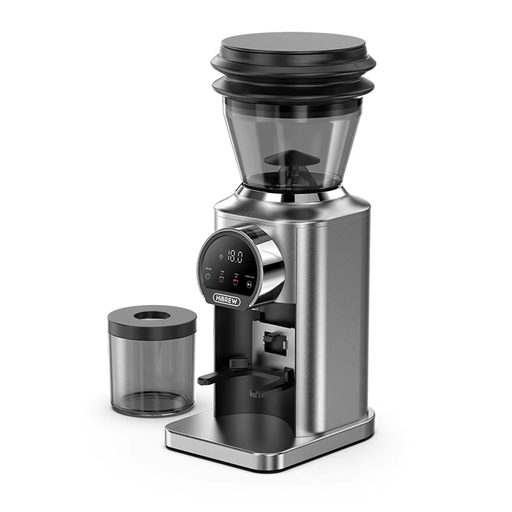 No image available
An option to compare if you want to adjust the grind size and choose between manual and automatic operation.
The product title lists a 40 mm conical burr, 31 grind settings, a touchscreen, adjustable grinding time, a portafilter holder and a titanium-coated stainless steel burr.
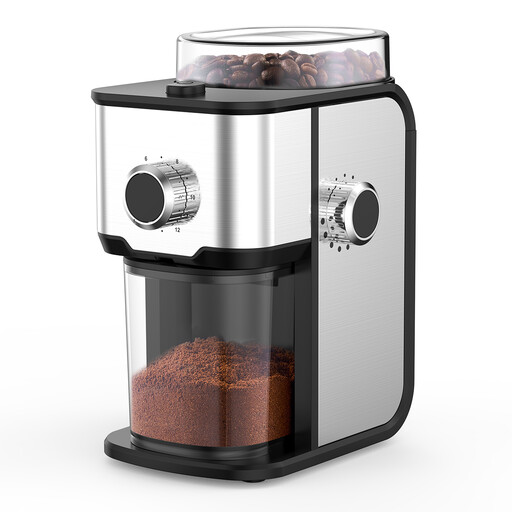 No image available
Compare this electric grinder if you want to tailor your recipe using adjustable grind settings and portion sizes.
The product title lists a flat burr, 14 grind settings and settings for 2–12 cups. Check that the electric operation and capacity suit the space and power supply available.
 No image available
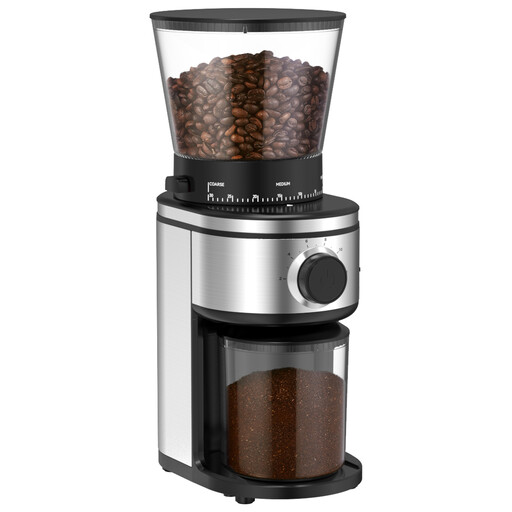
An electric option to compare if you want to adjust the grind to suit your recipe and grind enough for several cups.
The product title lists a conical burr and settings for 2–12 cups. The product description lists 30 grind settings, from fine for espresso to coarse for French press.
No. Follow the recipe and the instructions for your filter or brewer. HARIO recommends a medium-fine grind for its Cold Brew Coffee Filter-in-Bottle, while OXO specifies coarsely ground coffee for its Compact Cold Brew Coffee Maker. These recommendations apply to the products named.
It depends on the power supply and the exact model. Rommelsbacher specifies 230 V for the EKM 200, while Baratza lists 220–240 V for the Dutch Encore ESP. Before you travel, check that the holiday cottage has a compatible socket and follow the manual.
Follow the instructions for your exact model. HARIO says the burr assembly on the Skerton N can be dismantled, but only the glass parts are dishwasher-safe. Rommelsbacher describes the EKM 200 as having a removable burr for cleaning.
Follow the instructions for your brewing equipment and chill the drink in line with the general storage advice from the Voedingscentrum. In a recipe for its filter bottle, HARIO leaves the coffee to steep in the fridge for around eight hours; the Voedingscentrum recommends setting your fridge to 4 °C. These recommendations don’t establish a general safe storage period for every homemade cold brew.
According to ACM ConsuWijzer, online purchases generally come with a 14-day cooling-off period after delivery; check whether a legal exception applies. You’re also entitled to a legal guarantee if, under normal use, a product doesn’t do what you could reasonably expect of it, even if the manufacturer’s warranty has expired.