
The colleague making coffee for the group
You grind coffee for several people and want a coarse setting, enough coffee per cycle and controls that work well for shared use.


For regular grinding for several colleagues, an electric grinder with an explicit coarse or cafetière setting, suitable collection capacity and simple controls is an obvious choice. A hand grinder may suit smaller, occasional batches. Check the difference between the bean hopper, grounds container and amount ground per cycle, and assess noise and suitability for intensive office use for each model and workplace.
You grind coffee for several people and want a coarse setting, enough coffee per cycle and controls that work well for shared use.
You occasionally grind a smaller amount and may want to consider a hand grinder. For example, Timemore specifies 30 g per fill for the C3 Max; that capacity does not automatically apply to other models.
You want to know in advance how the grinder is cleaned, who takes care of maintenance and what terms apply if the office makes the purchase.
Choose this when: several colleagues will be grinding one after another, or you regularly fill a larger cafetière. Wilfa specifies a cafetière setting and timer for the Svart Aroma; Rommelsbacher describes a choice of 2–12 cups for the EKM 200.
Bear in mind: the bean hopper does not tell you how much ground coffee the grounds container holds, and a larger grounds container does not show how many beans the grinder processes per cycle.
Choose this when: you mainly grind small portions and are happy to grind by hand at the coffee station. Compare the capacity per fill with the amount required for your recipe.
Bear in mind: grinding takes manual effort, and a larger cafetière may require several fills.
| What to consider | What should you check? | Who is this important for? |
|---|---|---|
| Coarse cafetière grind | Look for an explicit coarse or cafetière setting on the exact model. Wilfa specifies a press-pot setting; Rommelsbacher describes settings 8–9 as coarse. Setting numbers are not interchangeable between brands. | I want to be able to set a grind that suits my cafetière method. For around 33% of consumers, a coarse grind is the main priority. |
| Amount ground per cycle | Compare the amount of beans per cycle with your recipe, and treat the bean hopper and grounds container as separate capacities. Fellow uses 60 g of beans in an example French press recipe; Timemore specifies 30 g per fill for the C3 Max. | When I grind for several colleagues, I want to know how much coffee I can process at once. Around 27% of consumers prioritise making portions for a group. |
| Noise in the workplace | If noise is a deciding factor, look for a measurement for the exact model or assess the grinder in its intended location. A product description calling it ‘quiet’ is not a comparative noise measurement. | I want to grind coffee without disturbing colleagues unnecessarily. For around 20% of consumers, potential disruption in a shared workplace is the biggest concern. |
| Cleaning and maintenance | Read the manual for instructions on dismantling and cleaning. Baratza advises unplugging its electric grinders before clearing a blockage; for another model, follow its own manual. | In a shared coffee station, I want to know how to remove residue and who will take care of maintenance. Around 20% of consumers prioritise this. |
A hopper and a grounds container serve different purposes. The Rommelsbacher EKM 200 lists a 250 g bean hopper and a 170 g grounds container separately; for the Hario Skerton N, 100 g refers to ground coffee.
Compare the amount of beans per grinding cycle, the grounds capacity and the amount required by your recipe separately.
A description such as ‘quiet’ does not tell you how audible a grinder is compared with another model in your workplace.
If it matters, look for a noise measurement for the exact model or assess its noise where colleagues work.
ACM ConsuWijzer distinguishes between a private purchase and one used mainly for business; consumer protection does not automatically apply in the latter case.
Before placing the order, confirm who is buying the grinder and which warranty and service terms apply to that purchase.
The service available or any repairs may depend on the business agreement.
The Svart Aroma CGWS-130B is an electric option with a setting for cafetière use.
The electric EKM 200 is worth comparing if the choice of portions and grounds capacity matter to you.
The manual C3 Max is worth considering for smaller, individual grinding sessions.
The manual Skerton N is an alternative if you value a detachable design and plenty of space for ground coffee.
The Encore ESP is worth considering if you want to use the same grinder for espresso as well as cafetière coffee.
This selection includes manual and electric burr grinders whose product information mentions French press. Compare the controls, amount ground per cycle and exact version for each model.
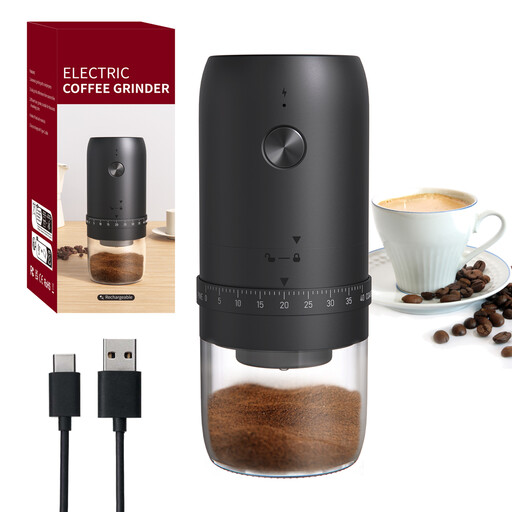 Image unavailable
The product listing associates this grinder with coarse grinding for French press, but describes it as manually operated even though the title says ‘Electric’; check which version will be supplied.
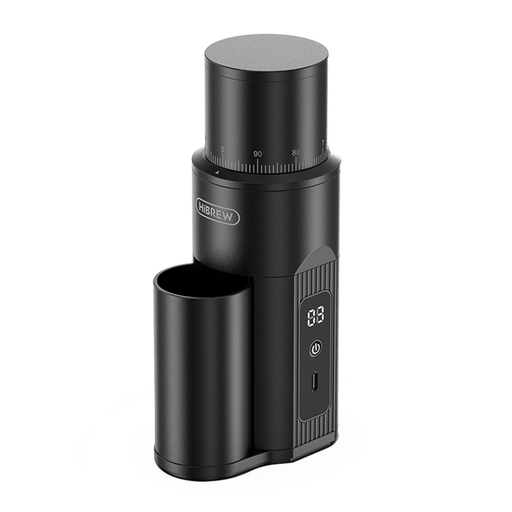 Image unavailable
The product information specifies a coarse setting for French press; check whether it suits the way you make coffee in your cafetière.
The product title mentions a conical burr, 100 grind settings and a 5200 mAh dual-battery system. Check the details of the version before relying on these features.
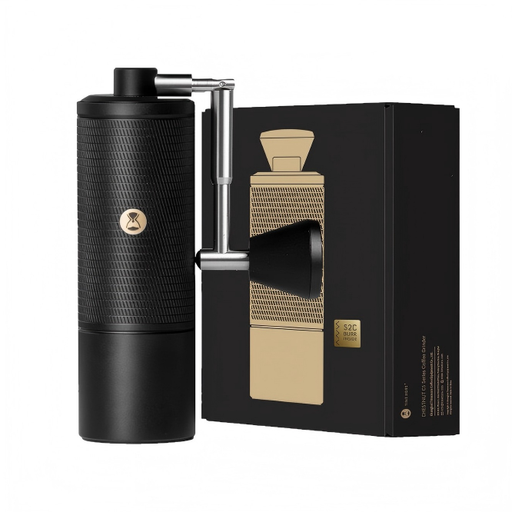 Image unavailable
The product description lists French press as a suitable use, making this model worth considering if you want to grind by hand.
The description specifies steel burrs and a hand crank. It does not state the capacity per fill; check this if you regularly grind for several colleagues.
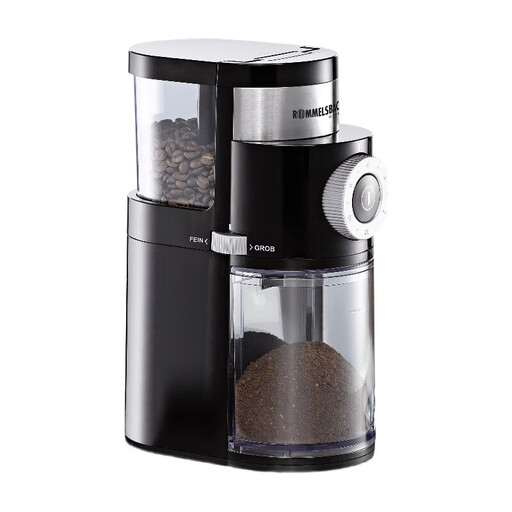 Image unavailable
The product information specifies coarse settings and French press; the choice of 2–12 portions may be useful when you are grinding for colleagues.
Rommelsbacher lists steel burrs, a 250 g bean hopper and a 170 g grounds container. These are separate capacities; do not confuse them with the amount ground per cycle.
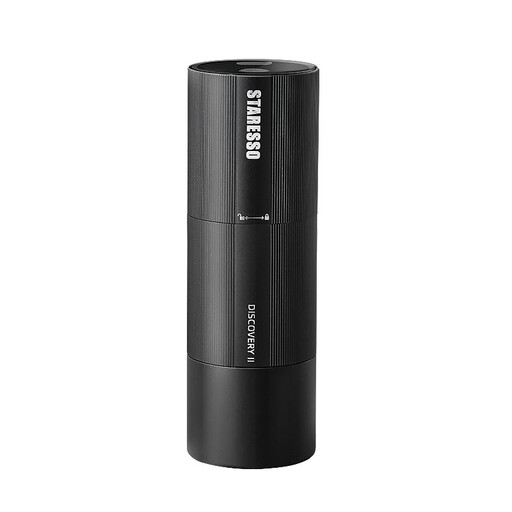 Image unavailable
The product information specifies a coarser grind for French press and one-touch operation; check that the settings suit your recipe.
The title mentions a 1000 mAh rechargeable battery with a Type-C connection. According to the product description, removable parts should be cleaned dry with a brush; do not rinse the burrs with water.
Start with a coarse setting and adjust it to suit your recipe and taste. Wilfa specifies a press-pot setting, while Rommelsbacher describes settings 8–9 as coarse; the setting numbers are not interchangeable.
A hand grinder may suit you if you make small portions and do not mind grinding by hand at the coffee station. Compare the capacity per fill with the amount your recipe calls for: Timemore specifies 30 g per fill for the C3 Max, while Fellow uses 60 g of beans in an example French press recipe.
Agree on who empties the grounds container and follow the manual for the exact model. Baratza advises unplugging its electric grinders before clearing a blockage; according to Hario, only the glass parts of the Skerton N are dishwasher-safe.
This depends partly on who makes the purchase and whether the grinder is used mainly for private or business purposes. ACM ConsuWijzer explains statutory consumer guarantees, but consumer protection does not automatically apply when a product is used mainly for business. For a business order, check the agreed warranty and service terms.
Ondernemersplein describes European safety requirements and an EU declaration of conformity for electrical appliances placed on the market. Check the product information and instructions for the specific version; general guidance does not confirm that an individual product on sale meets the requirements.