Brands to compare
The examples below show the types of models and trade-offs you’ll find from these brands; a brand being mentioned here does not in itself indicate availability.
Hario
The Skerton N is a manual option for occasional grinding.
- Hario lists a collection capacity of 100 g of ground coffee and an adjustable grind size. The burr assembly can be dismantled for cleaning.
- The stated 100 g refers to ground coffee in the collection jar, not the bean capacity. Hario says that only the glass parts are dishwasher-safe.
Rommelsbacher
The electric EKM 200 is an option with steel burrs, which the manufacturer specifically recommends for French press.
- Rommelsbacher lists an adjustable grind size, a bean capacity of 250 g and a collection capacity of 170 g of ground coffee. The collection bin is removable.
- These are the manufacturer’s specifications, not independent measurements of the grinding results. Bear in mind that bean capacity and collection capacity are not interchangeable.
Baratza
The electric Encore ESP is an option if you want to adjust the settings for brewing methods other than cafetière, too.
- Baratza lists settings 21–40 for filter coffee, French press and cold brew. The Dutch product specifications state that the collection bin holds 120 g.
- Baratza also positions the grinder for espresso; if you only make cafetière coffee occasionally, those extra settings may be more than you need.
Timemore
The manufacturer says that versions in the manual C3 series are suitable for French press.
- Timemore lists different capacities for each version, including 20 g for the C3 S Pro and 30 g for the C3 S Max.
- Check the specifications for the exact version; the capacity does not automatically apply to every model in the series.
Krups
Krups offers both a basic electric blade grinder and a model with grind settings.
- Krups lists blades and a capacity of 85 g for the F203. For the GVX242, the brand lists 17 grind settings and a collection capacity of 125 g.
- Krups says a blade grinder produces a less even grind than a burr grinder; this is the manufacturer’s claim, not an independent comparison of these models.
Joybuy products
The coffee grinders shown have different adjustable grind settings. Check whether each model’s controls, capacity and grind size suit the way you use your cafetière.
 No image available
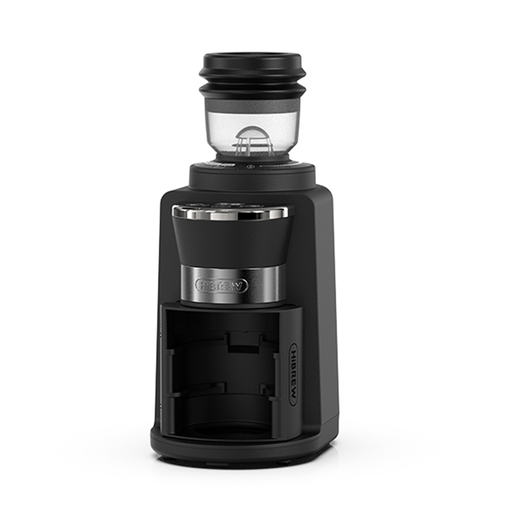
HiBREW G3A coffee grinder, 40 mm, 31 settings
May suit you if you want to adjust the grind size; check which setting is right for your cafetière.
40 mm conical burr; 31 grind settings.
Joybuy
 No image available
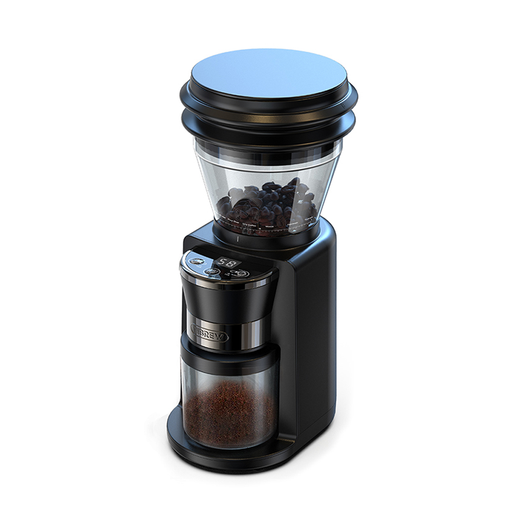
HiBREW G3 coffee grinder, 40 mm, 31 settings
May suit you if you’re looking for an adjustable grind size; check which setting works for your cafetière and beans.
40 mm conical burr; 31 grind settings; memory function with 6 levels.
Joybuy
 No image available
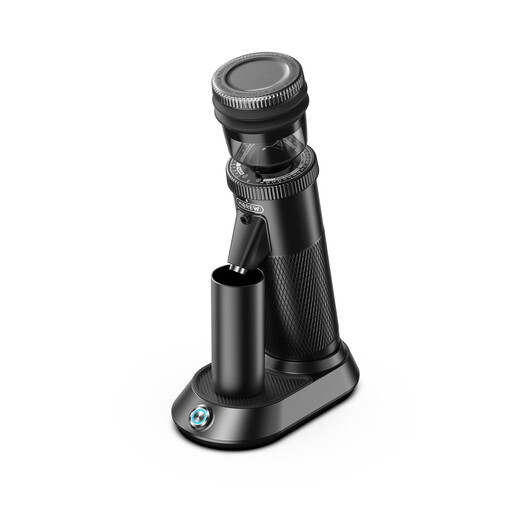
HiBREW G5 coffee grinder, 48 mm, 36 grind settings
May suit you if you want a choice of grind settings; check that the adjustment works for your cafetière.
48 mm conical burr; 36 grind size levels.
Joybuy
 No image available
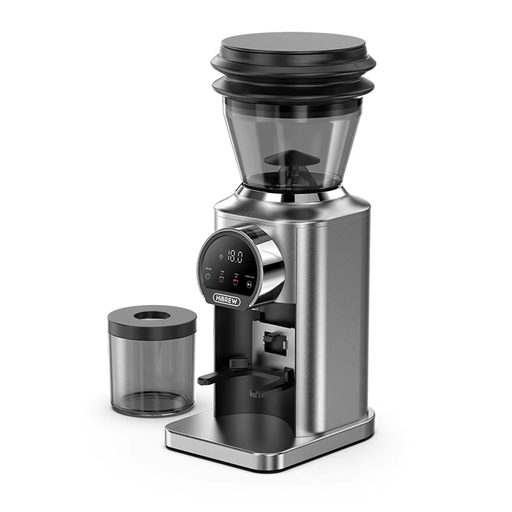
HiBREW G3 Plus coffee grinder, touchscreen, 31 settings
May suit you if you want to adjust the grind size; check whether the controls on this model work for the way you use it.
Titanium-coated stainless steel burr; 31 grind settings; touchscreen.
Joybuy
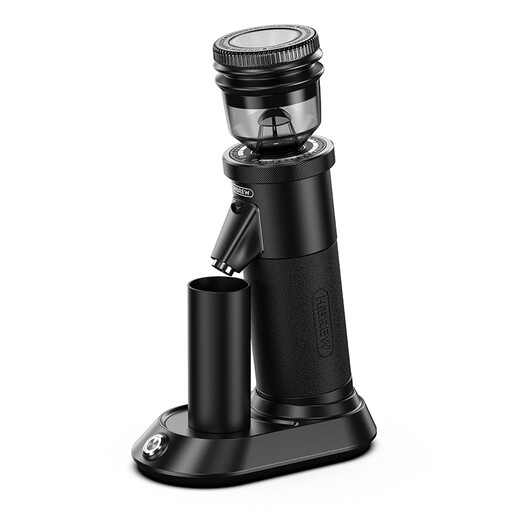 No image available
HiBREW G5A coffee grinder, 36 levels
May suit you if you want a choice of grind settings; check the grind size you need for your cafetière.
36 grind size levels.
Joybuy
Frequently asked questions
How do I choose a grind size for my cafetière?
Start with a setting the manufacturer recommends for French press or a coarse grind, then adjust it to suit your beans and cafetière. A setting number is only meaningful within the same model: Baratza lists settings 21–40 for the Encore ESP for methods including French press; Rommelsbacher describes the EKM 200 as having an adjustable range from fine to coarse.
Can all the parts of a hand grinder go in the dishwasher?
Check the instructions for your model. Hario says that only the glass parts of the Skerton N are dishwasher-safe; the burr assembly can be dismantled for cleaning.
How do I maintain an electric coffee grinder?
Follow the instructions for your model and remove any leftover coffee residue using the method described. Baratza explains how to brush out the grinding chamber and chute on its grinders; unplug the grinder before clearing a blockage.
Do I need an additional warranty for a coffee grinder?
An additional warranty is not a condition of your statutory rights. The Dutch Government says that if there’s a problem with a faulty product, you should contact the retailer; there is no fixed statutory warranty period in the Netherlands. A paid-for extra is only worthwhile if its terms give you additional rights.
Is cafetière coffee suitable for everyone?
If you’re unsure, ask your guests what they prefer and offer an alternative if needed. The Netherlands Nutrition Centre points out that cafetière coffee is relatively unfiltered and contains cafestol, which raises LDL cholesterol. For people with cardiovascular disease, it recommends coffee made with a paper filter, coffee pods or instant coffee.


