
Vandaag of morgen in huis

Kwaliteit gegarandeerd

Welkomstaanbiedingen ontgrendelen: GRATIS bezorging | Tot 80% korting | Gratis 30 dagen JoyPlus-proefperiode
Download de app
A good cup of coffee isn’t just about a familiar name on the packet. With coffee and espresso machines, the brewing method, grind size, capacity and how you plan to use them all determine whether your purchase continues to suit you. A compact machine may seem convenient, for example, but might not be suitable for making several cups in a row. Ground coffee can also be too coarse for espresso, resulting in a watery cup.
This guide helps you look beyond marketing claims and focus on product specifications you can check. That way, you can make a more informed choice between ground coffee, an electric espresso machine, a manual espresso machine or a coffee maker with a grinder.
A pump pressure of 15, 20 or 22 bar sounds impressive, but it doesn’t tell you everything about the espresso you’ll get. Water temperature, grind size, the amount of coffee and extraction time all have an effect too. So a machine with a high stated pump pressure won’t automatically be right for everyone.
Also check whether the machine works with ground coffee, capsules, ESE pods or multiple systems. A 5-in-1 machine may be versatile, but it can require more cleaning and adjustment.
Arabica coffee is often associated with a milder taste and aromatic notes. Robusta coffee typically has a bolder profile and is often chosen for more body or a stronger espresso. That doesn’t automatically make one type more suitable than the other.
Pay attention to the roast and grind, too. Dark-roasted coffee, including some varieties of Vietnamese coffee, can taste bold and bitter. A medium-roasted 100% Arabica, such as Lavazza Qualita Oro, may be a better match if you’re after a smoother, more aromatic cup.
A portable espresso machine is handy for travelling, camping and the office, but check the following first:
A manual espresso machine doesn’t need electricity, but does require physical effort to operate. An electric model is easier to use, but needs charging and has a limited capacity.
If you mainly use ground coffee, choose a machine with a suitable filter holder and check the maximum dose. Espresso is usually made with a fine grind, while a coarser grind is often more practical for filter coffee. A coffee maker with a grinder gives you more control, but takes up more space and the grinder needs regular maintenance.
If you’d like to try different types of coffee, look for a combination of an adjustable grinder and temperature control. According to its product specifications, the HiBREW H7A has a built-in grinder with 30 grind settings, a bean capacity of 250 grams and a 2.8-litre water reservoir.
For one person, a 50 to 80 ml reservoir in a portable machine is often enough for one espresso. A larger capacity is more convenient for a household, home office or small catering space.
For electric machines, check the power rating and how the machine heats the water. According to the HiBREW H7A product description, its dual-boiler system can support coffee extraction and milk frothing at the same time. This is particularly useful if you’re making several cappuccinos in a row.
If a machine is difficult to take apart, it’s more likely to be inadequately cleaned in everyday use. So check whether the filter, drip tray, water reservoir and milk components can be removed.
For appliances that get hot, automatic shut-off, boil-dry protection and a heat-resistant surface are practical features to look for. According to its product specifications, the Rommelsbacher EKO 364/E includes automatic shut-off, a 360° base and boil-dry protection. A moka pot, such as the Rommelsbacher EKO 366/E, gets very hot, so use a dry cloth or oven glove and don’t open it while it’s brewing.
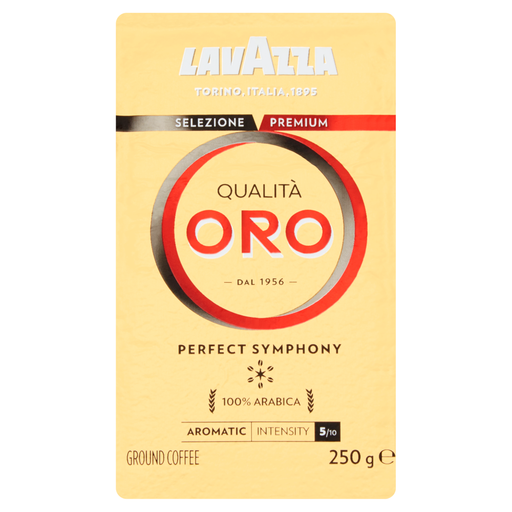
Why it suits this type of user: This 100% ground Arabica is a practical choice if you’re starting out without a bean grinder and want a medium-roasted coffee.
The product information clearly states the blend and medium roast, so you don’t have to rely on brand image alone.
100% Arabica; 250 g of ground coffee; suitable for coffee machines.

Why it suits this type of user: Home baristas and small offices get a comprehensive system with a grinder, touchscreen and generous reservoirs.
The key specifications are clear: 20 bar pump pressure, 30 grind settings, 2.8 litres of water and 1380–1550 W of power.
Built-in coffee grinder; dual-boiler system according to the product description; LCD touchscreen.
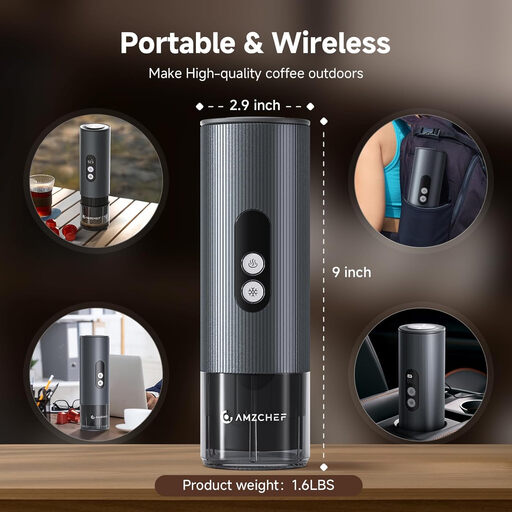
Why it suits this type of user: For campers, drivers and travellers who want to use both capsules and ground coffee without needing a power socket.
The specifications state the battery capacity, the water reservoir capacity of up to 80 ml, and compatibility with NS capsules and ground coffee.
9000 mAh battery; 150 W power; 20 bar according to the product specifications; heats water itself.

Why it suits this type of user: This manual espresso machine is a good fit for walkers, campers and travellers who bring hot water with them and don’t want to charge a battery.
The machine works without electricity and, according to the specifications, can hold up to 24 g of ground coffee. All parts can be removed for cleaning.
Manual operation; capacity of up to 24 g; suitable for 1–2 cups; fully washable according to the product information.
We’ve put together a complete, up-to-date list of products that meet these strict selection criteria and the applicable European safety regulations.
You’ll generally need finely ground coffee for an espresso machine. Lavazza Espresso Ground, Illy Ground Espresso Coffee and Illy Bold Roast Intenso are available as ground coffee according to their product information. Always check the instructions on the packet, as the right grind can vary from one machine to another.
If you like a stronger cup, consider Vietnamese coffee made with Culi Robusta beans. According to the product description, Trung Nguyen Creative Ground Coffee has a dark, full-bodied flavour and is suitable for hot and cold preparation. The description also mentions possible traces of milk, so if you have allergies, always check the label.
Store ground coffee in a cool, dry, airtight place, away from light and moisture. Once opened, try to use the coffee promptly, as its aroma gradually fades.
As well as the purchase price, you’ll pay for coffee, water, electricity and maintenance. A manual espresso machine doesn’t use electricity, while an electric machine needs energy to heat the water. Capsules can be convenient, but ground coffee often gives you more choice of brand, roast and quantity.
Its lifespan depends on use, materials, water quality and maintenance. Descale it according to the instructions, rinse the parts after use and don’t run the machine with an empty reservoir. For portable models, it’s also important to charge them correctly and store them somewhere dry.
Choose an electric model if convenience, temperature control and speed matter to you. A manual espresso machine is better suited to travelling, camping or use without electricity. First decide where you want to make coffee and how much control you’d like to have.
