
Vandaag of morgen in huis

Kwaliteit gegarandeerd

Welkomstaanbiedingen ontgrendelen: GRATIS bezorging | Tot 80% korting | Gratis 30 dagen JoyPlus-proefperiode
Download de app
Buying coffee capsules seems straightforward – until you discover that not every capsule fits every machine. A wrong choice can lead to capsules that don’t seal properly, disappointing flavour, or a stash you barely use. With this practical guide, you can compare coffee capsules on compatibility, flavour, strength, content and price.
Nespresso capsules, Dolce Gusto capsules and Senseo coffee pods are not interchangeable. A capsule that works with a Nespresso system won’t automatically fit a Dolce Gusto machine. What’s more, Senseo uses flat coffee pods rather than hard capsules.
So first, check the exact system of your machine. Look on the packaging to see if it states that the product is suitable for your type of appliance. If you’re unsure, you can also consult your machine’s manual.
An intensity scale isn’t universal. An intensity of 9 from one brand won’t necessarily taste the same as a 9 from another. The scale usually gives an indication of roast, body and flavour strength, but it doesn’t tell you everything about bitterness or caffeine content.
Also pay attention to the coffee description. Arabica is often described with softer or fruitier notes, while a blend with Robusta tends to have a stronger character and more body. This still depends on the blend and preparation method.
A deal might look good value, but a pack containing milk and coffee capsules can cost more per drink than a simple espresso capsule. So divide the price by the total number of full cups. With cappuccino capsules, also check whether one pack makes one drink or whether you need two capsules per cup.
At a minimum, check these indicators:
An espresso capsule is designed for a smaller, more concentrated amount. Lungo capsules are tailored for a longer extraction. Don’t simply add extra water to an espresso capsule, as this can make the flavour weaker.
Look at the following product details:
If you’re looking for strong coffee capsules, consider a dark roast or a blend with Robusta. For a milder everyday coffee, medium roast or lungo capsules are often a sensible choice. With flavoured varieties, such as caramel, coconut or hazelnut, it’s wise to check the ingredients list.
Pure coffee capsules usually contain only roasted and ground coffee. Cappuccino capsules, flat white capsules and other milk-based drinks may contain milk powder, sugar, soya or flavourings. So always check the allergen information on the packaging.
Store coffee capsules in a dry, cool place away from direct sunlight. Do not use a pack if it is damaged. The best-before information is on the product itself; check it when you receive your order and before you buy a larger quantity.
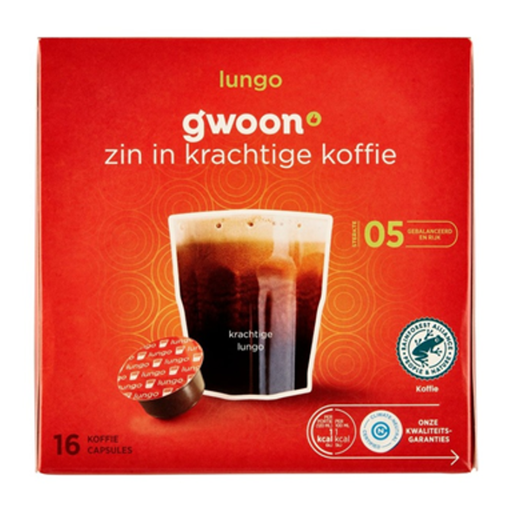
Why this fits the profile: A straightforward option for daily use, with 16 portions of ground coffee in one pack.
The packaging states the number of capsules and the product contains only ground coffee. This makes the price per cup easy to calculate.
16 capsules, 112 grams content and a lungo brewing style. Check compatibility with your machine before purchasing.
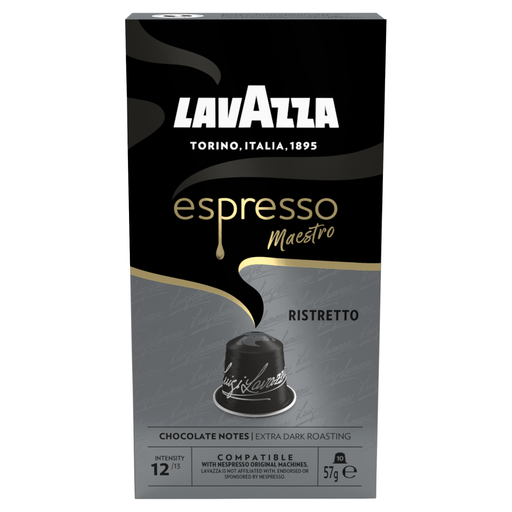
Why this fits the profile: For those looking for a compact espresso with a distinctive flavour profile and who use a Nespresso machine.
Compatibility with Nespresso is clearly stated. The blend, flavour notes and intensity of 12/13 are also specified.
Arabica and Robusta blend, notes of chocolate and caramel, 10 capsules and 57 grams content.
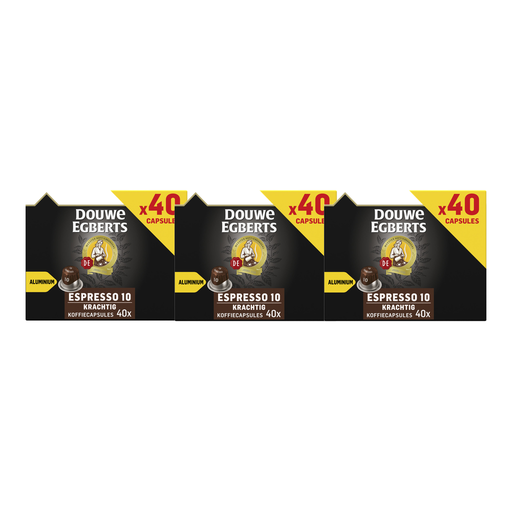
Why this fits the profile: A bulk pack for households or workplaces where espresso is made regularly.
The count of 40 capsules per pack makes stock and price per cup easy to see. The capsules are designed for Nespresso coffee machines.
Robusta and Arabica blend, described as strong and suitable for espresso, cappuccino and latte.
We’ve put together a full, up-to-date list of products that fully meet these strict selection criteria and comply with current European safety regulations.
That depends on the system. Nespresso capsules are designed for compatible Nespresso machines, while Dolce Gusto capsules fit suitable Dolce Gusto appliances. Senseo uses coffee pods. Always check the compatibility information on the packaging and your machine’s manual.
The best-before date is on the packaging. Store capsules unopened in a dry, cool place, away from sunlight and heat. Once opened, the pack should be sealed properly. Do not use capsules from a damaged pack.
That varies by product. Calculate the price per cup by dividing the pack price by the number of drinks. A bulk pack can lower the cost per capsule, but milk-based drinks with multiple capsules can be more expensive per cup than standard espresso capsules. So when you see a coffee capsule offer, don’t just look at the discount – also check the number of portions and the content.
