
Vandaag of morgen in huis

Kwaliteit gegarandeerd

Welkomstaanbiedingen ontgrendelen: GRATIS bezorging | Tot 80% korting | Gratis 30 dagen JoyPlus-proefperiode
Download de app
Coffee capsules are convenient, quick and available in a wide range of flavours. But it’s easy to make the wrong choice when buying them. An attractive price doesn’t always mean a lower cost per cup, and a capsule that looks suitable won’t necessarily fit your coffee machine. Terms such as “intense”, “premium” or “barista-style” can also create expectations that aren’t fully supported by the product specifications.
Use these practical checks to compare Nespresso capsules, Dolce Gusto capsules and other coffee machine capsules with confidence.
Nespresso Original, L'OR Barista and NESCAFÉ Dolce Gusto use different capsule shapes. Compatible coffee capsules must therefore be specifically designed for your system. A capsule made for Nespresso Original won’t necessarily fit a Dolce Gusto machine.
Before buying, check:
An intensity scale gives you an indication of flavour strength, but it isn’t a universal measure of caffeine content or quality. For example, a strong coffee capsule often contains Robusta for a bolder, spicier character. Arabica coffee is usually known for milder, fruitier or more aromatic notes, but the final flavour also depends on the roast and blend.
So be sure to read the description too. “Intensity 12/13” on Lavazza Espresso Maestro Ristretto suggests a different occasion for drinking it than a lungo with an intensity of 6.
A box of 40 capsules may seem more expensive than a box of 10, but it could work out cheaper per cup. Calculate the price per capsule and check the coffee weight. With cappuccino capsules and latte varieties, milk powder, sugar and the number of capsules needed for each drink can also affect the cost.
A coffee capsule deal is only worthwhile if:
This is the first thing to check. Nespresso capsules are generally designed for Nespresso Original machines or systems compatible with them. For example, Douwe Egberts Lungo product information states that it can be used in L'OR Barista and Nespresso Original machines. Dolce Gusto capsules, such as Nescafé Grande, Cappuccino and Flat White, are designed for NESCAFÉ Dolce Gusto machines.
Also consider your chosen cup size. An espresso is often around 40 ml, while a lungo is about 110 ml. Some Dolce Gusto products recommend around 120 ml. Always follow the preparation instructions on the pack.
The bean blend can help you understand the differences in flavour:
A dark roast can give the coffee a more intense, roasted flavour. That doesn’t automatically mean it contains more caffeine. If you’re unsure, check the ingredients and product information rather than relying on marketing terms alone.
Check how many capsules are in the pack and whether one capsule is enough for one cup. Cappuccino capsules and latte macchiato varieties may contain milk powder and sugar. According to the product information, Nescafé Cappuccino contains, among other ingredients, whole milk powder and sugar, so it isn’t suitable for people avoiding milk.
Black espresso and lungo capsules usually contain roasted, ground coffee. Even so, always check the label, especially for flavoured varieties. Store coffee capsules in a cool, dry place away from direct sunlight. Don’t use a damaged pack.
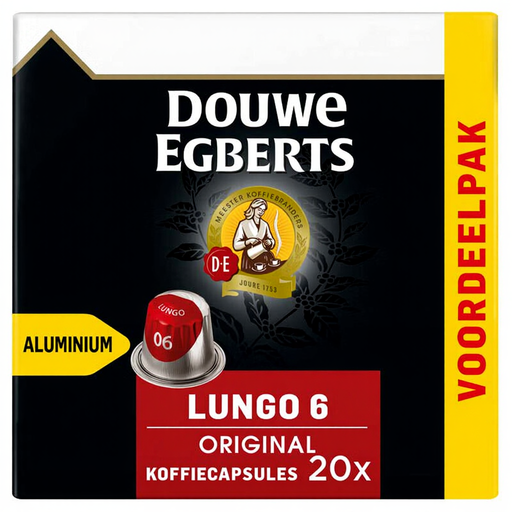
Why it suits this profile: The 20-capsule pack is practical for everyday use, while its intensity rating of 06 is an approachable option if you’re still exploring different flavours.
The product information clearly states that it’s compatible with L'OR Barista and Nespresso Original, as well as giving the recommended lungo volume of 110 ml.
Arabica and Robusta blend, medium roast and 20 capsules per box.
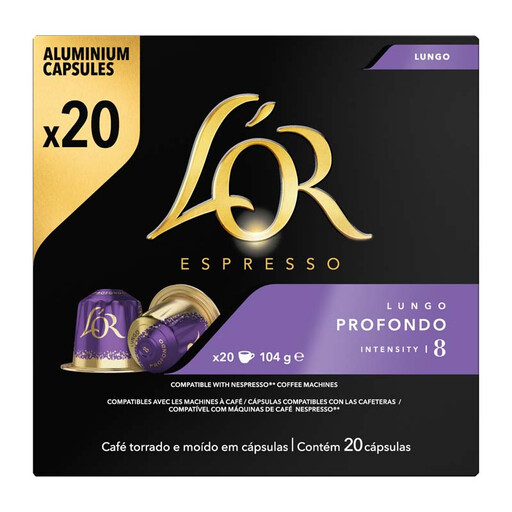
Why it suits this profile: This variety is made for fans of 100% Arabica, an intense lungo profile and flavour notes of roasted almond and liquorice.
The pack specifies the bean type, the contents of 20 capsules and the recommended settings for lungo and espresso.
100% Arabica, 104 grams per pack and suitable for Nespresso machines.
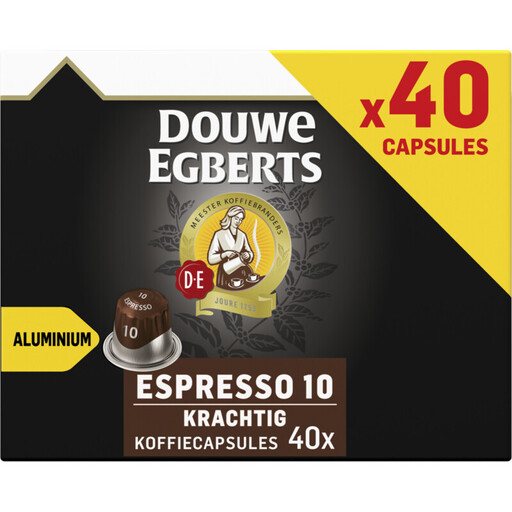
Why it suits this profile: A box of 40 espresso capsules is a good fit for households or offices where several cups are made every day.
The product page lists the Nespresso system, bean blend and pack size, so you can check the quantity and compatibility in advance.
40 capsules, Arabica and Robusta beans, and a clearly described bold espresso profile.
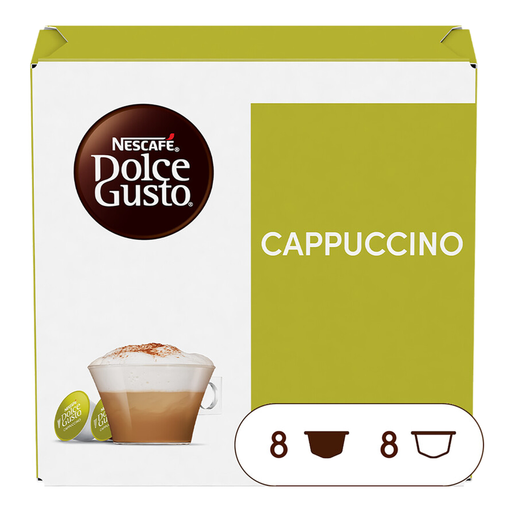
Why it suits this profile: This Dolce Gusto variety is designed for anyone who wants to make a coffee with espresso, milk and foam without measuring out separate ingredients.
The product clearly states that it’s for a Dolce Gusto machine and includes an explicit milk allergen declaration.
16 capsules, a milky coffee variety and sealed capsule packaging.
We’ve put together a complete, up-to-date list of products that meet these strict selection criteria and the applicable European safety regulations.
First check the machine system, then the brand. Look on the pack for terms such as “suitable for Nespresso Original” or “suitable for NESCAFÉ Dolce Gusto”. For compatible coffee capsules, also check your machine’s instructions.
The best-before information is printed on the pack. Store capsules in a cool, dry place away from direct sunlight. Once opened, it’s best to seal the box properly. Don’t use capsules if the packaging is damaged or the contents smell unusual.
It depends on the price per cup, the pack size and how many capsules you use. Don’t just compare the total price: divide it by the number of capsules. For cappuccino and latte products, also consider the ingredients and recommended preparation method.
