
Vandaag of morgen in huis

Kwaliteit gegarandeerd

Welkomstaanbiedingen ontgrendelen: GRATIS bezorging | Tot 80% korting | Gratis 30 dagen JoyPlus-proefperiode
Download de app
Buying coffee online seems straightforward – until you have to choose between coffee capsules, ground coffee, filter coffee, instant coffee, coffee pods and decaffeinated options. Packaging often emphasises aroma, intensity or convenience, while practical details are less prominently mentioned. This means you could end up ordering coffee that doesn’t fit your machine, tastes different from what you expected, or is mostly sugar and milk powder.
With this buying guide, you can compare coffee based on verifiable product information: brewing method, compatibility, ingredients, contents and caffeine content.
Dolce Gusto capsules and Nespresso capsules use different systems. A capsule designed for a Dolce Gusto machine won’t necessarily work in a Nespresso appliance. Always check the system stated on the product page and on your coffee machine.
The number of capsules can also be confusing. Some cappuccino or latte products require multiple capsules for a single drink – for example, a coffee component and a milk component. A box of 16 capsules may therefore yield fewer than 16 full cups.
With ground coffee, the ingredient list usually just says coffee. But with 3-in-1 coffee, cappuccino and latte macchiato, it’s a different story. These varieties can contain sugar, milk powder, glucose syrup, vegetable oil and stabilisers.
Take NESCAFÉ 3in1 Smooth & Rich: according to the product information, one sachet contains coffee, creamer and sugar, with sugar making up 53% of the ingredients. If you’re mainly looking for black coffee, you’re better off choosing filter coffee, espresso or instant coffee without added milk and sugar.
An intensity scale is only useful within the brand’s own scale. For example, Douwe Egberts Select Arome is labelled with an intensity of 4 on a scale of 01 to 10, while other products use a scale of 01 to 09 or 01 to 12.
So also pay attention to the description, roast level and composition. 100% Arabica tells you about the type of coffee beans used, but it doesn’t predict the full flavour on its own. A medium roast, a light roast or tasting notes such as fruity and nutty provide additional context.
First, choose the system you use at home:
A product like Douwe Egberts Quick Filter Decaf is described as suitable for a filter machine, French press, AeroPress, percolator and Chemex. That makes the brewing options broader than with a capsule system.
Check the ingredients list before you buy coffee. With black coffee, the list is often limited to roasted or ground coffee. Milk-based varieties often contain milk powder or lactose. This is relevant if you have a milk allergy, lactose intolerance, or want to limit added sugar.
The nutritional value can vary significantly depending on the brewing method. Black filter coffee often lists zero or near-zero nutritional values per 100g of coffee. Instant cappuccino and latte products, on the other hand, can contain sugar and fat. So use the serving size on the packaging as your reference point, not just the value per 100g.
“Decaffeinated coffee” is a clear product category, but check the exact wording on the label. The range includes decaffeinated filter coffee, decaf espresso capsules and cappuccino sticks.
Also pay attention to the number of servings. A 500g bag of ground coffee is suitable for households that regularly brew filter coffee. A box of 10 sticks or 16 capsules is more convenient for individual use, but can work out more expensive per cup. So compare the price per serving, not just the price of the pack.
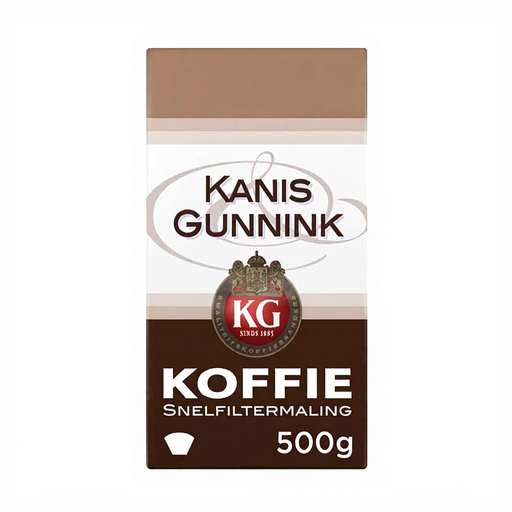
Why this fits the profile: A 500g bag is practical for daily use with a filter machine and stops you having to keep buying small packs.
The product description states finely ground coffee for filter brewing, so you don’t accidentally order capsules for an incompatible machine.
500g contents; finely ground; suitable for filter coffee; ingredient: coffee beans.
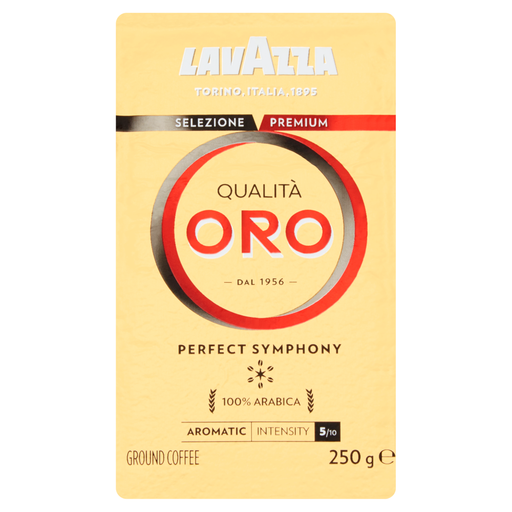
Why this fits the profile: For those who care about composition and roast level, and want ground Arabica coffee for a suitable machine.
The product information states 100% roasted ground Arabica coffee and a medium roast, so the basis of the product is clear.
100% Arabica according to the product description; medium roast; 250g ground coffee.
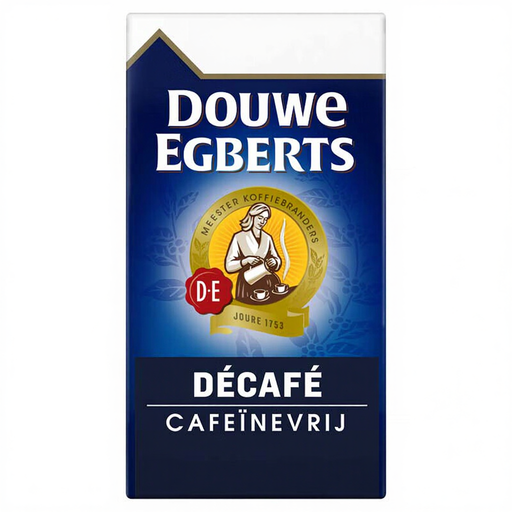
Why this fits the profile: Ideal for households that brew coffee often and are deliberately looking for a decaffeinated option for various brewing methods.
The product information explicitly states decaffeinated and lists several suitable brewing methods, so you know how to use it upfront.
500g; medium roast; suitable for filter machine, French press, AeroPress, percolator and Chemex.
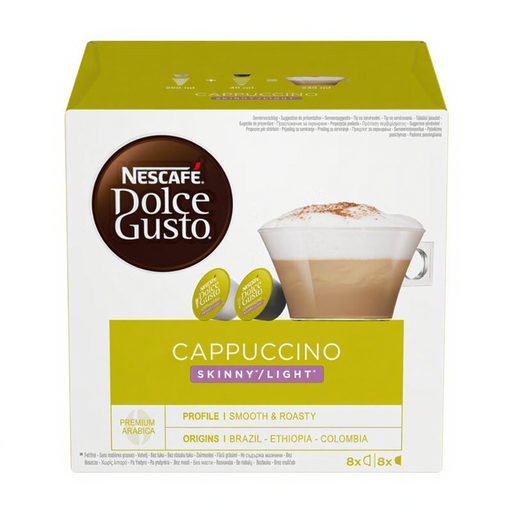
Why this fits the profile: A convenient choice if you have a compatible Dolce Gusto machine and want to make a cappuccino-style milk drink.
The product information states the Dolce Gusto system and makes it clear that the product contains milk and soya.
16 capsules; suitable for compatible Dolce Gusto machines; milk component and coffee capsule included.
We’ve put together a full, up-to-date list of products that fully meet these strict selection criteria and comply with current European safety regulations.
Choose ground filter coffee with a grind size intended for filter brewing. The packaging often says “filter”, “quick filter” or “suitable for filter machine”. Also check the recommended amount per cup. Some products suggest around 7g of coffee per cup, but it’s best to follow the instructions on the label.
The best-before date is on the packaging, but the flavour can gradually change after opening. Store coffee in a cool, dry place away from direct sunlight and heat. Seal the packaging carefully. Douwe Egberts states for certain filter coffees that, once opened and stored correctly, the coffee is best used within about two weeks.
The term “decaffeinated” refers to coffee from which the caffeine has been removed, but always check the product information and label. If you want to avoid caffeine entirely, it’s a good idea to review the ingredients and nutritional information for each variant. This is especially important for cappuccino, latte macchiato and 3-in-1 coffee, as these products contain other ingredients besides coffee.
