
Vandaag of morgen in huis

Kwaliteit gegarandeerd

Welkomstaanbiedingen ontgrendelen: GRATIS bezorging | Tot 80% korting | Gratis 30 dagen JoyPlus-proefperiode
Download de app
Fresh coffee beans can be a significant upgrade from pre-ground coffee, but there is a lot of choice. Are you looking to buy coffee beans for a bean-to-cup machine, espresso machine or filter coffee maker? Terms such as strong, premium, Italian and slow roasting are not enough on their own to help you make the right choice.
As a Joybuy Product Recommendation Officer, I filter the most important product information in a practical way. This helps you see which features can be checked and which marketing terms should be treated with a little caution.
A scale of, for example, 6, 8 or 11 mainly tells you how the flavour is perceived. Dark roast coffee beans often taste stronger, more bitter or smokier than medium roast coffee beans. That does not automatically mean they contain more caffeine.
If you want a strong cup of coffee, also consider:
The term premium coffee beans has no single legal definition. Italian coffee beans can also have different compositions and roast profiles. Therefore, check the packaging for the country of origin, bean variety, roast and suitability for your machine.
For example, a product from an Italian brand may be 100% Arabica, while another Italian blend combines Arabica and Robusta. Both may be suitable for espresso, but the flavour profile will differ.
A 500-gram bag of coffee beans is practical for everyday use, but only if you use the beans within a reasonable period. A 1000-gram pack may offer a lower price per gram, but once opened, the aroma gradually fades if the bag is not sealed properly.
So check:
Arabica coffee beans are generally known for a smoother, more aromatic flavour profile. Robusta coffee beans are often used to add extra body and a firmer crema to espresso. The ratio is more important than the brand name alone.
Bear in mind that “strong” on the front of a pack does not tell you how much Robusta it contains. You will need to consult the product information or packaging for that.
Medium roast coffee beans are often a good choice for consumers looking for a balanced coffee for espresso, filter coffee or a bean-to-cup machine. Dark roast coffee beans usually have a more pronounced, intense flavour and are often chosen for cappuccino, latte or a powerful espresso.
For a bean-to-cup machine, a blend with a clearly stated roast strength is practical, as you can still fine-tune the result using the grind size and quantity. Start with the factory setting and adjust one variable at a time.
Not every coffee bean is equally suitable for every preparation method:
A capsule product is not an alternative to coffee beans. The Starbucks Single-Origin Colombia pack in the range contains 10 capsules for a Dolce Gusto system, so it is intended for a capsule system rather than a bean grinder.
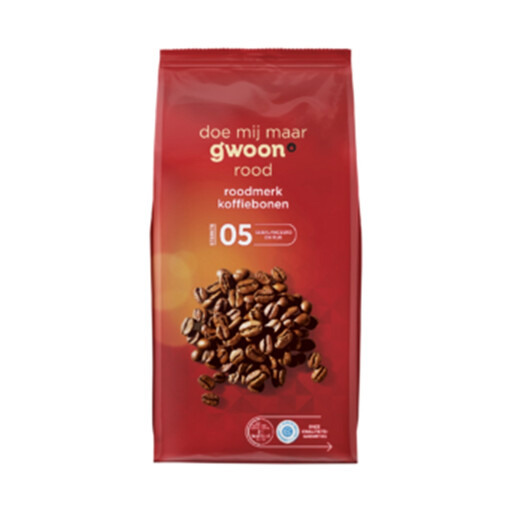
Why it suits this profile: The 500-gram pack is a manageable choice for anyone switching from ground coffee. According to the product description, the beans are suitable for espresso, filter coffee and bean-to-cup machines.
The product information states that these are 100% coffee beans with a medium roast and no added substances or artificial flavours. This means you can base your choice on specific, verifiable details rather than relying solely on claims on the front of the pack.
500 grams; medium roast; suitable for espresso, filter coffee and bean-to-cup machines; resealable packaging according to the product description.

Why it suits this profile: According to the product description, these 100% Arabica beans have an intensity of 6/10 and are intended for espresso and lungo. This makes them a good choice for users who value aroma without immediately opting for a dark roast.
The composition, intensity and recommended preparation methods are clearly described. This means you do not have to use “Italian” as your only reason for buying.
100% Arabica; intensity 6/10; suitable for espresso and lungo; 500-gram pack.
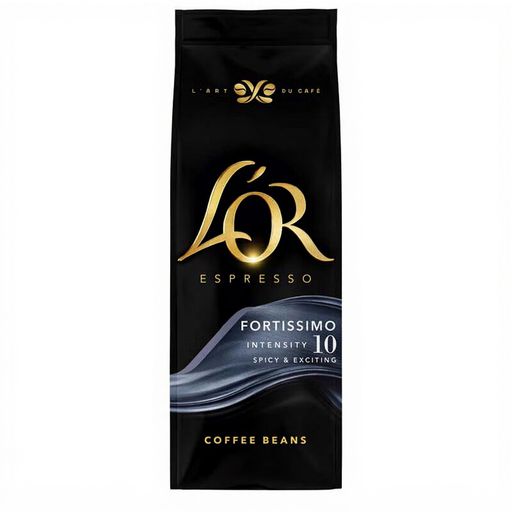
Why it suits this profile: The combination of Arabica and Robusta and the medium-dark roast make these beans suitable for espresso, cappuccino and latte. This is practical for households or offices where several coffee styles are prepared.
The bean varieties and roast category are stated clearly. This means the robust flavour is not based solely on the word “intense”, but also on verifiable product information.
Arabica and Robusta blend; medium-dark roast; suitable for espresso, cappuccino, latte, moka pot and coffee makers.
We have put together a complete, up-to-date list of products that fully meet these strict selection criteria and the applicable European safety regulations.
Store coffee beans in their original, well-sealed packaging in a cool, dry place. Do not put the bag next to an oven, radiator or window. Only grind the amount you need immediately. This limits exposure to air and helps the aroma last longer.
If you use a bean-to-cup machine, do not change the grind size, coffee strength and amount of water at the same time. Adjust one setting and then assess the result. A bitter espresso may, for example, be caused by a grind that is too fine or an extraction time that is too long, rather than by dark roast coffee beans alone.
Choose beans whose product description mentions a bean-to-cup machine, bean-to-cup system or espresso machine. A medium roast is an accessible starting point, while a darker blend may be suitable if you want a stronger cappuccino or espresso.
The exact shelf life is stated on the packaging. Once opened, air, moisture, heat and light are the main factors. Seal the packaging carefully each time and store the beans somewhere dry and out of direct sunlight. Choose a pack that matches your consumption; 500 grams is not automatically better value if you only drink a small amount of coffee.
Arabica is often associated with a smoother, more aromatic profile, while Robusta can generally provide more body and a stronger flavour. However, the roast and blend ratio also have an influence. Always check the ingredients list and roast information before buying coffee beans.
