
Vandaag of morgen in huis

Kwaliteit gegarandeerd

Welkomstaanbiedingen ontgrendelen: GRATIS bezorging | Tot 80% korting | Gratis 30 dagen JoyPlus-proefperiode
Download de app
Buying a bag of coffee beans sounds simple, until you have to choose between Arabica coffee beans, Robusta coffee beans, medium roast coffee beans, dark roast coffee beans and different pack sizes. Terms such as “intense”, “crema” and “espresso” do not always tell you exactly what you will get in your cup, either.
For households, home baristas and offices, three pitfalls are particularly important:
Arabica coffee beans are often chosen for their smoother, more aromatic profile. Robusta coffee beans, on the other hand, can provide a bolder character and fuller crema. A blend of Arabica and Robusta is an interesting choice for anyone looking for a powerful espresso.
Always check the ingredients list. If it says “100% Arabica”, the contents are made entirely from Arabica coffee beans according to the product information. With a blend, the label should indicate that both varieties have been used. For example, the product description for L’OR Espresso Fortissimo states that it contains 100% Arabica and Robusta coffee beans.
The roast affects both flavour and use:
With a bean-to-cup machine, you can fine-tune the result using the grind size and amount of coffee. Start with the factory setting and adjust one setting at a time. This makes it easier to notice the effect of using a different bean.
A 500-gram pack of coffee beans is practical when you drink coffee regularly but do not make several cups a day. For an office or large household, a 1-kilogram pack or a twin pack of 1000 grams may make more sense.
Look for a resealable closure, or divide a large bag into smaller, well-sealed containers after opening. Store coffee beans somewhere cool and dry, away from direct sunlight, heat and moisture. It is best not to keep them in the fridge: temperature changes and condensation can affect the aroma.
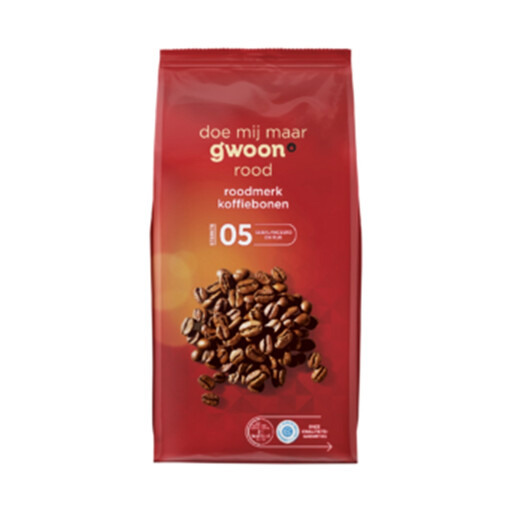
Why it suits this profile: The 500-gram pack is a manageable option for anyone who wants to try different coffee beans without buying a large quantity straight away. According to the product description, these medium-roasted beans are suitable for espresso, filter coffee and bean-to-cup machines.
The product information clearly states the roast level, quantity and suitable brewing methods. The resealable packaging helps with storage after opening.
100% coffee beans, medium roast, 500 grams and suitable for several types of machine.

Why it suits this profile: According to the product description, these are 100% Arabica beans with an intensity of 6/10, recommended for espresso and lungo. That makes them a good match for home baristas looking for a smoother espresso profile.
The blend, packaging and intensity are stated in the product details. You therefore do not have to rely solely on general flavour descriptions.
100% Arabica, 500 grams and, according to the description, suitable for espresso and lungo.
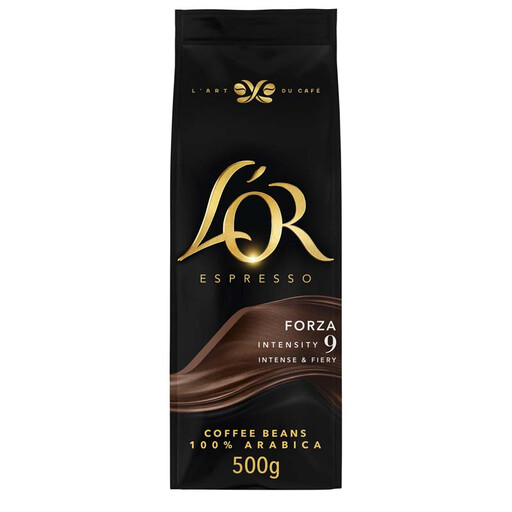
Why it suits this profile: According to the product information, this dark roast is recommended for fully automatic coffee machines. The profile is described as featuring notes of wood, wine, spices and chocolate, among others.
The recommended machine type and roast level are clearly stated. This reduces the chance of choosing a light bean when you are actually looking for a bold espresso result.
Dark roast, suitable for bean-to-cup machines and a 500-gram pack.
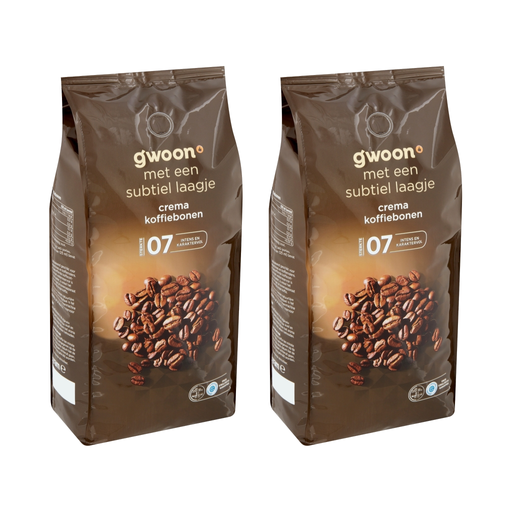
Why it suits this profile: Two 1000-gram packs are a good fit for regular use in a household or office. According to the product information, these are 100% coffee beans and the coffee is Rainforest Alliance certified.
The large supply is suited to high consumption, so you need to order individual bags less often. Keep the unopened pack sealed and open one bag at a time.
Two 1000-gram packs, 100% coffee and a Rainforest Alliance mention in the product information.
We have compiled a complete, up-to-date list of products that fully meet these strict selection criteria and the applicable European safety regulations.
Coffee beans for espresso are often roasted more darkly or include a blend with Robusta, but this is not a hard-and-fast rule. Focus mainly on the recommended preparation method and adjust the grind size accordingly. Espresso runs through too quickly with a grind that is too coarse and too slowly with one that is too fine.
A fully automatic coffee machine needs beans that are suitable for the machine’s bean hopper and grinder. Check the manual if the manufacturer lists any restrictions. If you brew filter coffee, you can generally choose a medium roast and grind the beans just before brewing.
Brands such as Lavazza coffee beans, Douwe Egberts coffee beans and g'woon coffee beans offer several roast profiles. So do not compare just the brand name; also consider the ingredients, quantity, roast and recommended preparation method. This helps you avoid paying for a pack that does not suit your everyday use.
Shelf life varies depending on the packaging and storage method. Check the date and instructions on the label. Seal the bag properly after each use and store the beans somewhere cool, dry and dark. For frequent use, a 500-gram pack of coffee beans is often easier to keep fresh than a bulk pack.
Dark roast coffee beans generally taste bolder and have a more pronounced roasted profile. However, “stronger” may refer to flavour intensity and does not automatically mean a higher caffeine content. Use the roast level mainly as an indication of flavour and compare the product description.
A bulk pack may offer a lower price per gram, but only if you use the beans in time and store them properly. For an office or large household, 1 kilogram or more is practical. For a smaller household, a 500-gram pack can help limit waste caused by loss of aroma and quality.
