
Vandaag of morgen in huis

Kwaliteit gegarandeerd

Welkomstaanbiedingen ontgrendelen: GRATIS bezorging | Tot 80% korting | Gratis 30 dagen JoyPlus-proefperiode
Download de app
For many, the aroma of freshly ground coffee marks the true start of the day. But with an overwhelming variety of coffee beans on the shelves, making the right choice is harder than it seems. Attractive packaging or a flashy marketing term doesn't always lead to a delicious cup of coffee. In fact, it can lead to a costly mistake.
As a Joybuy Product Recommendation Officer, I see the challenges consumers face every day. To help you make the right choice, we'll discuss the most common pitfalls and what to look for. This way, you can enjoy coffee that truly matches your taste and equipment, without wasting money.
Before you add a bag of beans to your cart, it's wise to know which mistakes are most frequently made.
To avoid the pitfalls, it's better to focus on objective characteristics. These three factors determine 90% of the flavour in your cup.
Most coffee is made from two types of beans: Arabica and Robusta.
A blend of both can offer the best of both worlds: the complexity of Arabica with the body and crema of Robusta.
The way the beans are roasted has a huge impact on the final taste.
Look at the packaging. Good packaging has a one-way valve. This allows gases released after roasting to escape without letting oxygen in. Oxygen is the greatest enemy of fresh coffee.
Also, consider the quantity. A 1kg coffee beans package can be economical, especially if you find a coffee beans offer. However, only buy such a large bag if you can use it up within a few weeks. Otherwise, it's better to opt for a 500g package to ensure freshness.
Based on these criteria, we have selected a few popular choices that suit different user profiles.
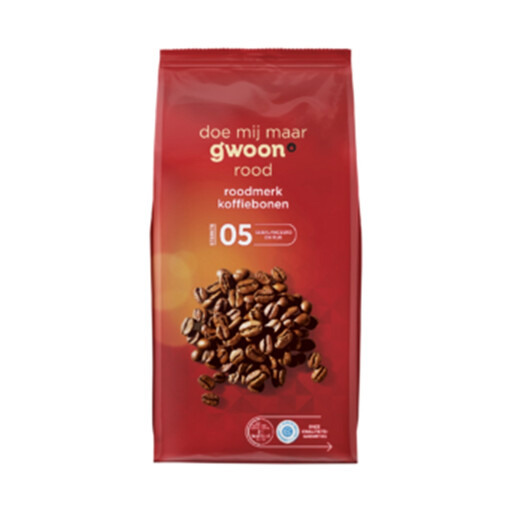
Why This Fits Their Persona: For those who want to enjoy a good cup of coffee daily without paying a premium. These beans offer a reliable and accessible flavour at a competitive price.
This product avoids expensive marketing. The focus is on a fair price-to-quality ratio, not on vague promises. You pay for the coffee, not the advertising.
A medium-roasted, harmonious blend suitable for both filter coffee and espresso. A no-fuss choice for everyday use.
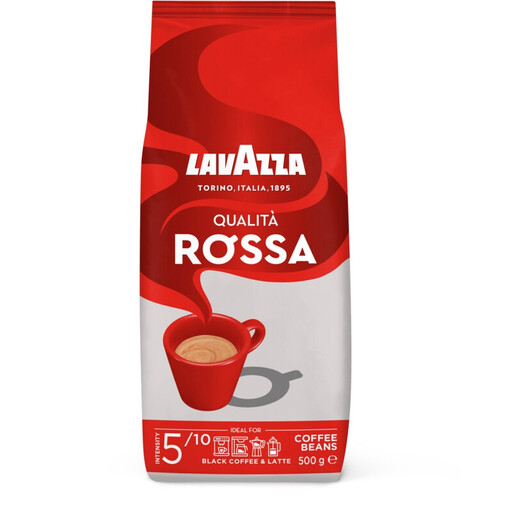
Why This Fits Their Persona: For those seeking the authentic, full-bodied flavour of an Italian coffee bar. Perfect as a base for a powerful espresso or a creamy cappuccino.
Lavazza is an established brand with a consistent flavour. You're buying a reliable blend, unlike beans with a vague "Italian style" label.
A classic blend of Arabica and Robusta that ensures a full body, a stable crema, and subtle notes of chocolate and nuts.

Why This Fits Their Persona: Ideal for owners of a fully automatic espresso machine who are looking for a high-quality, machine-friendly bean for a perfect espresso or lungo.
These 100% Arabica beans are medium-roasted and therefore less oily. This helps avoid the pitfall of a clogged or damaged grinding unit in your expensive automatic machine.
According to Lavazza, this blend is specially developed for a professional result at home. The beans deliver a smooth, aromatic flavour with notes of flowers and chocolate.
We have compiled a complete, up-to-date list of products that meet these strict selection criteria. Find the bean that's perfect for you.
Although coffee beans don't spoil quickly, they do lose their flavour. The roast date is the most important indicator. Ideally, you should use the beans within 1 to 3 months of this date. After opening the bag, it is recommended to consume the beans within 2 to 3 weeks. Store them in the original packaging with a valve or in an airtight, dark container at room temperature. Do not store beans in the refrigerator or freezer.
For coffee beans for fully automatic machines, medium roast beans, particularly arabica coffee beans, are often a safe and flavourful choice. They are generally less oily than very dark roasted beans. An overly oily bean can, over time, clog the grinding discs and brew group of your machine, leading to malfunctions and a poorer taste. Visually inspect the beans: if they have a strong sheen, caution is advised.
Technically, no; any coffee bean can be used for espresso. However, the term espresso beans usually refers to a specific blend and roast that is optimised for an espresso machine. These are often medium to dark roasted blends with a portion of Robusta beans for a powerful flavour and a stable crema. You can also use these beans for other brewing methods, like a drip coffee maker, although the taste will be different.
