
Vandaag of morgen in huis

Kwaliteit gegarandeerd

Welkomstaanbiedingen ontgrendelen: GRATIS bezorging | Tot 80% korting | Gratis 30 dagen JoyPlus-proefperiode
Download de app
Buying the right coffee beans seems simple, until you are faced with a shelf full of strength ratings, roasts and pack sizes. An intensity rating does not always tell you anything about the flavour you are looking for. A large bag of coffee beans is not automatically better value either if you use the beans slowly and they lose their aroma.
For households, offices and espresso lovers, three pitfalls are particularly important:
The roast has a major influence on aroma and mouthfeel. Light to medium-roasted coffee beans generally retain more recognisable fruity or floral notes. Dark-roasted coffee beans often create a more intense impression, with roasted, spicy, chocolatey or woody notes.
If you are looking for a powerful espresso, consider espresso coffee beans with a dark or medium-dark roast. For filter coffee, a softer and more balanced profile is often more enjoyable. Always check the product description, as terms such as “intense”, “classico” or “forte” are not used in exactly the same way by every brand.
Arabica Robusta coffee beans combine two different bean varieties. Arabica is often associated with a more refined aroma, while Robusta can contribute a stronger profile and fuller crema in blends. This is not a guarantee of quality, but it is a useful indication of the style you can expect.
A product made with 100% Arabica may appeal to anyone looking for a milder, more aromatic cup. A blend of Arabica and Robusta is often well suited to espresso, cappuccino and other milk-based drinks. For example, Lavazza Espresso Barista Intenso states that it contains a blend of Arabica and Robusta beans and has a dark roast. According to the product information, Lavazza Espresso Italiano is made with 100% Arabica.
Coffee beans gradually lose their aroma once opened through contact with air, heat, light and moisture. Choose a pack size that suits how much you use:
Store opened coffee beans somewhere cool and dry, away from direct sunlight and heat sources. Seal the packaging securely. Always follow the information on the label and do not use a product if its packaging is damaged.
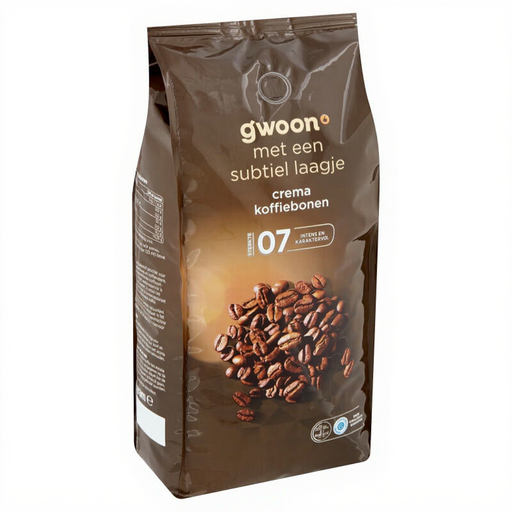
Why it suits this profile: The 1000-gram pack is suitable for daily use at home or in the office. The product information states that it contains 100% coffee beans and is suitable for regular, high-volume use.
You are not paying simply for a high strength rating: the pack size and composition are clearly stated. Only choose this size if you will use the beans quickly enough.
1000 grams; 100% coffee beans; Rainforest Alliance mentioned in the product information.
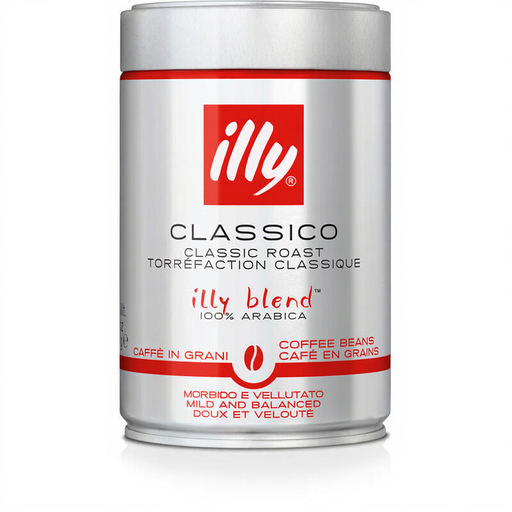
Why it suits this profile: This smaller pack is ideal if you want to try a specific Arabica blend without immediately building up a large stock.
The pack size reduces the risk of opened beans sitting around for months. Do bear in mind that a smaller pack will generally cost more per gram.
250 grams; 100% Arabica according to the product information; medium roast and suitable for several brewing methods.

Why it suits this profile: The product description mentions a dark roast, an Arabica-Robusta blend and use for espresso, cappuccino and other coffee preparations.
The choice is based on specific information about the roast, bean varieties and preparations, rather than just a marketing term such as “strong”.
500 grams; Arabica-Robusta blend; dark roast; listed for espresso, cappuccino and similar drinks.
First check whether you use a bean-to-cup machine, espresso machine, coffee grinder or filter coffee maker. An automatic machine uses whole beans, but the grind size, dosage and water temperature all affect the result alongside the beans themselves. When trying new coffee beans, start with your machine’s standard setting and adjust one variable at a time.
Also consider the pack contents. A multipack of 500-gram bags of coffee beans can be useful in an office. For a large household, 1 kg of coffee beans may be more practical. If you prefer a less powerful cup in the evening, you can choose decaffeinated coffee beans. With these products, check the exact wording on the packaging; “decaffeinated” does not automatically mean that there is absolutely no caffeine present.
If you want to buy coffee beans online, it is worth comparing the price per 100 grams, roast type, composition and recommended brewing methods. A brand’s own research may suggest that a blend has particular flavour notes or characteristics; treat this information as a product claim and compare it with the actual product specifications.
We have put together a complete, up-to-date list of products that fully meet these strict selection criteria and the applicable European safety regulations.
Choose whole beans that match your preferred flavour profile and check whether the product description states that they are suitable for use in a fully automatic coffee machine. For espresso, medium-dark or dark-roasted espresso beans are often a sensible starting point. The correct grind size and dosage vary from machine to machine.
That depends on the packaging, storage and how quickly you use them. Store coffee beans in an airtight container or bag somewhere cool and dry, away from light and heat. Ideally, choose a bag that you can finish within a reasonable period. For many households, a 500-gram pack is therefore more practical than a 1 kg bag.
No. “Strong” can refer to the roast, flavour intensity or an intensity rating. It does not automatically indicate how much caffeine is in a cup. For specific information, check the ingredients, bean varieties and product label.
