
Vandaag of morgen in huis

Kwaliteit gegarandeerd

Welkomstaanbiedingen ontgrendelen: GRATIS bezorging | Tot 80% korting | Gratis 30 dagen JoyPlus-proefperiode
Download de app
Buying coffee online seems straightforward, until you end up with the wrong grind, an incompatible capsule, or a flavour intensity that doesn’t match your preference. This is especially true with espresso and strong coffee, where characteristics are sometimes used as marketing terms without making clear what you’re actually getting.
So watch out for these three common pitfalls:
Start by looking at the machine you use. That will prevent you from buying something that turns out to be unusable at home.
Arabica coffee beans are often chosen for their milder aromas and fruity or sweet notes. Robusta coffee beans, on the other hand, can contribute to a stronger profile and a thick crema. Many espresso blends combine both types.
Examples from the range include:
Always check whether the beans are suitable for your machine, bean-to-cup appliance or separate grinder. A pack of coffee 500 g is practical for daily use, but store opened beans in an airtight container away from heat, moisture and direct sunlight.
Ground coffee is handy when you don’t want to use a grinder. However, the grind must match your brewing method. A fine grind is generally intended for espresso, whereas filter coffee requires a coarser grind.
The product description for Lavazza Espresso Ground Coffee, 250 g states 100% Arabica and recommends it for filter and French press. Always check the instructions on the packaging before buying, because “espresso” in the product name doesn’t always indicate the exact grind for your machine.
Coffee capsules are ideal for households, offices and anyone who wants the same dose every cup. Pay attention to:
The product descriptions for the capsules below state compatibility with Nespresso machines. This refers to compatibility according to the product information; always check the instructions for your specific machine.
A dark roast often gives a stronger, more roasted flavour profile. A lighter roast can place more emphasis on acidity, fruit or floral aromas. Intensity scores vary from brand to brand, so they are mainly useful within the same product line.
For example, Lavazza lists an intensity of 12/13 for the Espresso Maestro Ristretto. The blend contains Arabica and Robusta, and the product description mentions chocolate and caramel notes. This makes the capsule interesting for anyone looking for a short, powerful espresso.
100% Arabica isn’t automatically right for everyone. Arabica can taste softer and more aromatic, whereas Robusta is often used for a stronger profile and more crema. A blend of the two offers a middle ground.
For example:
Capsules are individually portioned, making them easy to dose. With beans and ground coffee, storage method becomes more important after opening. Seal the packaging tightly and keep coffee cool and dry. Always follow the best-before information on the label.
For an office, a box of 40 capsules can be practical. At home, a smaller pack may be wiser if you regularly switch flavours. Don’t just compare the price per pack, but also the price per cup and the amount of coffee per capsule.
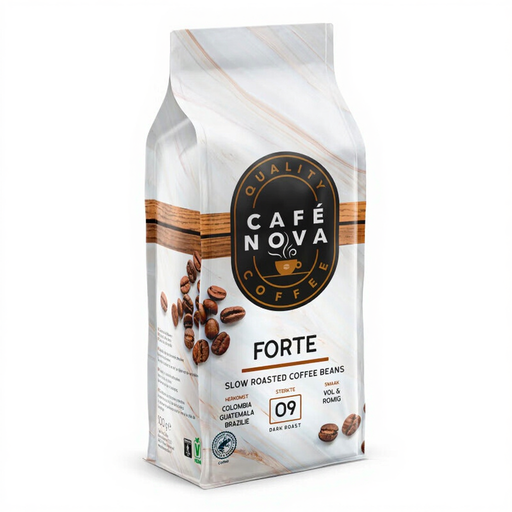
Why this suits the profile: The 500 g pack is practical for daily use in a bean-to-cup machine or with a coffee grinder. The stated roast level is 8/9.
You buy whole beans instead of ground coffee, so you can adjust the grind for espresso, moka or filter.
500 g content; coffee beans as the only ingredient; suitable for use with a grinder or bean-to-cup machine according to the product information.

Why this suits the profile: According to the product description, this blend is 100% Arabica, with a stated intensity of 6/10 and notes of chocolate and flowers.
The intensity score and composition are clearly stated, so you don’t have to rely solely on the name “espresso”.
100% Arabica; 500 g pack; suitable for espresso and lungo according to the product information.
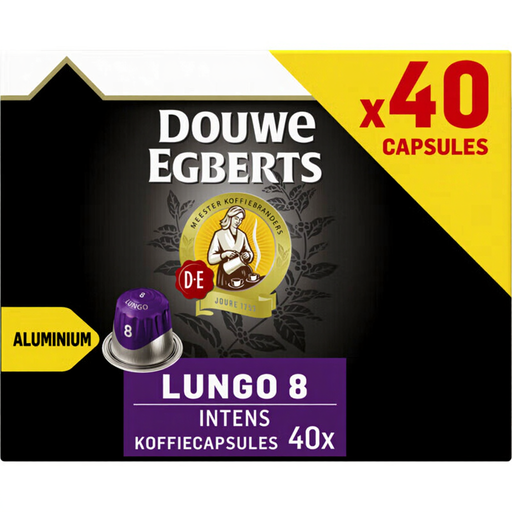
Why this suits the profile: This pack contains 40 capsules of 5.2 g each and is designed for a lungo of 110 ml according to the product description.
The brew volume and machine compatibility are stated, so you won’t accidentally buy these capsules as a short espresso.
40 capsules; lungo format of 110 ml; blend of Arabica and Robusta according to the product information.
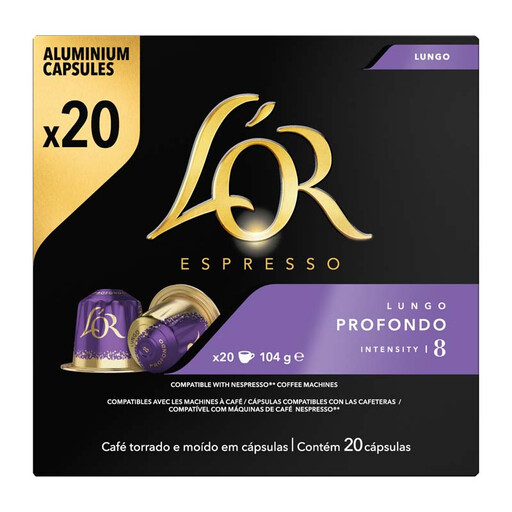
Why this suits the profile: The box contains 20 capsules and the product description mentions 100% Arabica, with notes of roasted almond and liquorice.
The format, content and recommended lungo volume of 110 ml are clearly specified.
20 capsules; 100% Arabica according to the product information; suitable for Nespresso machines according to the product description.
We’ve put together a full, up-to-date list of products that fully meet these strict selection criteria and comply with current European safety regulations.
Not automatically. Check the product details and your machine’s manual. The term “Nespresso compatible” generally refers to the capsule system, but models can differ in use, size or recommended settings.
That depends on the price per pack, the number of grams of coffee and the number of cups you make. Coffee beans and ground coffee often have a lower price per gram, whereas capsules offer convenience and fixed portions. So compare the price per cup rather than just the selling price.
Check the best-before date on the packaging. After opening, aromas are better preserved when you store coffee in an airtight container, kept cool and dry. Don’t store coffee next to a kettle or hob, and don’t use packaging that is damaged.
