
Vandaag of morgen in huis

Kwaliteit gegarandeerd

Welkomstaanbiedingen ontgrendelen: GRATIS bezorging | Tot 80% korting | Gratis 30 dagen JoyPlus-proefperiode
Download de app
Buying coffee beans seems simple, until you are faced with a shelf or online range containing dozens of varieties. A dark roast, a high intensity score or words such as “barista” do not always tell you enough about the coffee in your cup. A budget-friendly pack can also be impractical if you use the beans slowly and they lose their aroma.
When comparing products, pay particular attention to these three common pitfalls:
For a bean-to-cup machine, coffee beans are practical: the machine grinds the beans for each cup. However, check whether the manufacturer considers the beans suitable for your appliance. An espresso machine with a portafilter requires you to grind the beans yourself or use pre-ground coffee.
Do not use beans in a machine that only accepts ground coffee. Conversely, putting ground coffee into a bean hopper can cause blockages.
Arabica coffee beans are often described as milder and more aromatic. Robusta coffee beans can offer a stronger profile and more crema. A blend of Arabica and Robusta is a popular choice for espresso.
The product information is the deciding factor here. Lavazza Espresso Italiano, for example, is listed as 100% Arabica. L’OR Espresso Fortissimo is described as a blend of Arabica and Robusta. According to the brands’ product descriptions, these differences also affect aroma, body and crema; the resulting flavour can vary depending on the brewing method and personal preference.
A light roast may retain more pronounced fruity or floral notes. A dark roast is often associated with a fuller, stronger flavour. Bear in mind that a dark roast can also taste more bitter if the grind, temperature or brewing time is not set correctly.
A 500 g coffee pack is a manageable quantity for many households. If you drink several cups a day or are ordering for an office, 1,000 grams may be more practical. In both cases, check:
According to the product information provided, coffee naturally contains none of the 14 major EU allergens, but always check the current label. With decaffeinated coffee, it is advisable to read the packaging for the exact designation and preparation information. Decaffeinated does not automatically mean that every cup is completely caffeine-free.
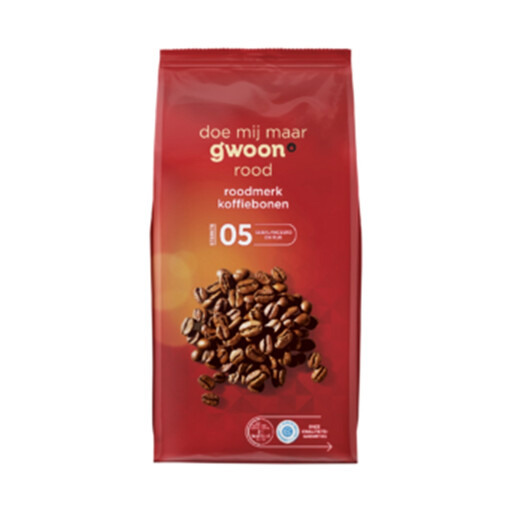
Why it suits this profile: The pack contains 500 grams and, according to the product description, the beans are medium roasted. They are listed as suitable for espresso, filter and bean-to-cup machines.
The product information lists the brewing methods and 100% coffee beans, so you do not have to rely as heavily on general marketing terms.
500 g, medium roast, resealable packaging according to the product description, and suitable for several brewing methods.

Why it suits this profile: The product details specify 100% Arabica and a 500-gram pack. That makes it a good choice for anyone specifically looking for an Arabica blend for espresso.
The composition is clearly stated. This allows you to compare Arabica with blends that also contain Robusta.
100% Arabica according to the product label, 500 g contents and a product name specifically focused on espresso.
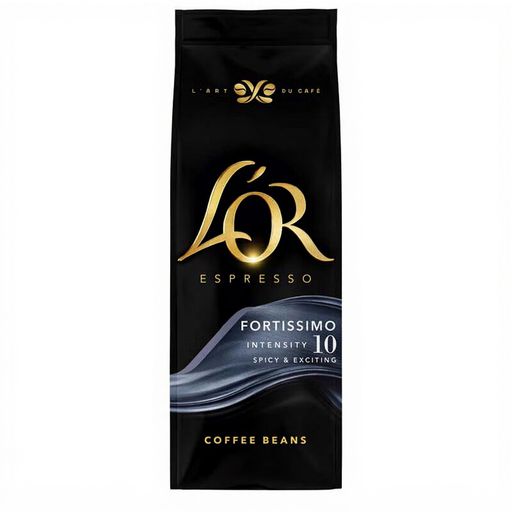
Why it suits this profile: The product description specifies an Arabica and Robusta blend, a medium-dark roast and suitability for espresso machines, moka pots and coffee makers.
The blend and roast are specified. This is helpful when you are looking for a powerful espresso rather than general-purpose coffee beans.
Arabica and Robusta according to the ingredients list, 500 g contents and several stated preparation methods.
We have put together a complete, up-to-date list of products that fully meet these strict selection criteria and the applicable European safety regulations.
Not everyone has a bean-to-cup machine. If you want to make a single cup quickly, consider instant coffee or espresso sticks. The Nescafé Espressostick Instant Coffee contains 25 portions and, according to the preparation instructions, is made with 60 ml of hot, non-boiling water. For larger quantities, Nescafé Espresso Instant Coffee 100 g is a practical jar option.
If you want to consume less caffeine, you can choose decaffeinated coffee. Kanis & Gunnink Decaf Filter Coffee is finely ground and, according to the product information, has an intensity of 05 on a scale from 01 to 09. G’woon Decaffeinated Coffee Beans, on the other hand, are an option for anyone looking for decaffeinated beans for a suitable machine.
The best-before date on the packaging is a useful guide, but the aroma gradually fades after opening. Store the beans in the original, tightly closed bag or an airtight container in a cool, dry place. Avoid heat, moisture and direct sunlight.
Check whether the product description explicitly mentions a fully automatic coffee machine or bean-to-cup system. The roast and composition also determine the flavour. A dark roast may taste stronger, while an Arabica blend is often described differently from an Arabica-Robusta blend.
That depends on the price per 100 grams and how quickly you use the coffee. A 500 g pack provides a manageable quantity for home use. For a household or office with several daily coffee drinkers, 1,000 g may be more convenient logistically, provided you seal the opened coffee properly.
