
Vandaag of morgen in huis

Kwaliteit gegarandeerd

Welkomstaanbiedingen ontgrendelen: GRATIS bezorging | Tot 80% korting | Gratis 30 dagen JoyPlus-proefperiode
Download de app
The choice of coffee beans is extensive. Dutch online shops offer Arabica, Robusta, Italian blends, espresso varieties and packs ranging from 250 g to 1 kg. However, attractive packaging or a high intensity rating does not tell you everything about the coffee that ultimately ends up in your cup.
The key question is therefore not which coffee beans are “the best”, but which beans suit your machine, brewing method, taste preferences and consumption habits.
A number such as 8, 9, 11 or 12 usually refers to the coffee’s flavour intensity or roast level. It is not a fixed measure of caffeine content. Strong coffee beans are often roasted more darkly, which can give them a more powerful, bitter or full-bodied flavour. That does not automatically mean they contain more caffeine.
If you drink a mild lungo, you may get more enjoyment from 100% Arabica coffee beans with a light or medium roast. For espresso with milk, a blend containing Robusta can provide ample body and a generous crema.
Lavazza coffee beans, Douwe Egberts coffee beans and L'OR coffee beans are well-known names, but the blends can vary significantly within each brand. Always check:
A brand name is no substitute for product specifications.
A 1 kg bag of coffee beans can offer excellent value for a household, office or hospitality business with high daily consumption. For a smaller household, 500 g may be more practical. Once opened, beans gradually lose their aroma, especially when the bag is frequently opened or stored somewhere warm and humid.
It is better to buy an amount you will use within a few weeks. A multipack of g'woon coffee beans may be worthwhile if you consume a lot of coffee, but make sure you can store several packs properly at the same time.
Arabica coffee beans are often chosen for their smoother, more aromatic flavour profile. According to brand product descriptions, Robusta can provide greater body and a more substantial crema. An Arabica-Robusta blend is therefore often well suited to espresso, cappuccino and latte.
Pay close attention to the exact wording on the product page. L'OR Espresso Fortissimo, for example, is listed as containing 100% coffee beans comprising Arabica and Robusta. Lavazza Espresso Italiano, by contrast, is described as 100% Arabica. This information can be verified in the ingredients list.
When choosing coffee beans for a fully automatic machine, an even grind and precise adjustment of the grind size and quantity are important. Ultimately, the machine determines the contact time and amount of water used.
When choosing coffee beans for an espresso machine, use a fine grind, but adjust the setting gradually. If the espresso runs through too quickly, grind finer. If the extraction takes too long and the coffee tastes heavy, use a slightly coarser grind.
A 500 g pack of coffee beans is a practical middle ground for home use. A 1 kg bag of coffee beans is better suited to a large household, office or hospitality business. Store opened beans in a cool, dry place away from direct sunlight. Seal the packaging securely and always follow the information on the label.
Also inspect the condition of the packaging. Do not use the product if the bag is damaged. Black coffee contains little in the way of nutritional value, but coffee beans themselves are not a ready-to-drink product: the final nutritional value depends on the preparation method and any milk or sugar added.

Why This Fits Their Persona: The 1 kg pack is practical for daily use at home or in the office. According to the product description, these beans are suitable for espresso, French press and filter coffee.
The pack size, ingredients and storage instructions are clearly stated. The beans are not selected solely on the basis of an intensity claim.
100% coffee beans; generous 1000 g pack; suitable for multiple brewing methods according to the product information.

Why This Fits Their Persona: This option is a good fit for anyone specifically looking for Italian coffee beans and 100% Arabica. The 500 g pack is a manageable size for home use.
The ingredients list states 100% Arabica. Before purchasing, however, check the current packaging and roast information.
100% Arabica according to the product details; suitable for espresso; 500 g pack.
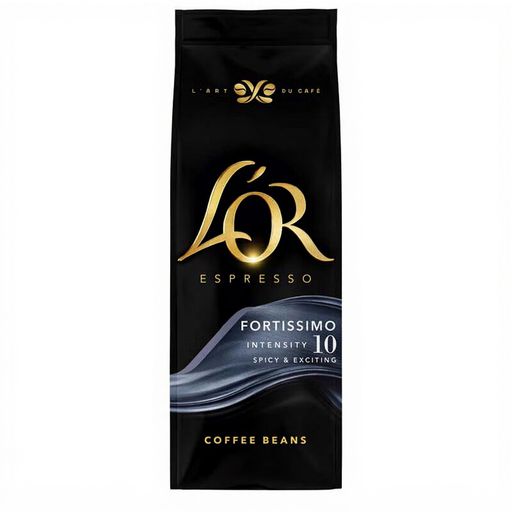
Why This Fits Their Persona: According to the product description, this blend combines Arabica and Robusta and is intended for espresso, cappuccino and latte. That makes it relevant to coffee drinkers who switch between different preparations.
The composition and roast are more specific than simply describing the coffee as “intense”. You can tailor your choice to your machine and preferred milk drink.
Arabica-Robusta blend according to the label; medium-dark roast according to the product description; 500 g pack.
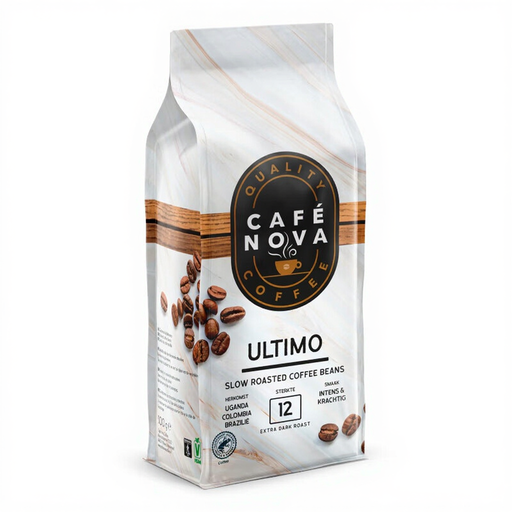
Why This Fits Their Persona: The product description states that these beans are suitable for fully automatic coffee machines and coffee grinders. The intensity rating of 12 appeals to users looking for a pronounced roast profile.
The rating is not presented in isolation: the brewing method and storage instructions are also provided with the product.
Strength rating 12 according to the product name; suitable for fully automatic machines and grinders; Rainforest Alliance certification mentioned in the product information.
Explore a current selection of coffee beans to suit different strength levels, brewing methods and pack sizes.
When using a fully automatic machine, do not immediately use an extreme grind setting with new beans. Start with the standard setting and adjust one parameter at a time. Espresso generally requires a finer grind than filter coffee.
Clean the brew group, grinder and drip tray according to your machine’s instructions. Old coffee residue can affect the flavour. Store the beans in their original, tightly sealed packaging in a cool, dry place. The refrigerator may seem practical, but temperature fluctuations and moisture can cause problems once the pack has been opened. Above all, follow the storage instructions on the label.
First, check the recommendation from your machine’s manufacturer. Many espresso coffee beans are suitable for fully automatic machines, but the right choice also depends on the grind size, roast and drink you want to prepare. Cafe Nova explicitly states that several of its varieties are suitable for fully automatic coffee machines.
Not necessarily. Arabica is often associated with a more aromatic, smoother profile, while Robusta can add greater body. The final flavour is also shaped by origin, roast, grind and extraction time. Check the blend details and do not rely on the name alone.
This varies according to the packaging, storage conditions and rate of consumption. Seal the bag tightly, keep it away from light, heat and moisture, and preferably use the beans within a few weeks to preserve a recognisable aroma. The official best-before date on the packaging remains the leading reference. Bear in mind that a 1 kg bag may stay open for longer at low consumption than a 500 g pack.
