
Vandaag of morgen in huis

Kwaliteit gegarandeerd

Welkomstaanbiedingen ontgrendelen: GRATIS bezorging | Tot 80% korting | Gratis 30 dagen JoyPlus-proefperiode
Download de app
The coffee bean aisle can be overwhelming. Shiny packages make lofty claims, from "premium" blends to exotic single-origin beans. But how can you be sure you're making the right choice for your taste and coffee machine? Many enthusiasts unknowingly fall into a few common traps, ending up with coffee they don't enjoy or that can even damage their equipment.
As a Product Recommendation Officer at Joybuy, I sift through the market to help you avoid these mistakes. Let's cut through the marketing jargon and focus on what really matters.
The 3 pitfalls of choosing coffee beans:
You don't need to be a coffee connoisseur to make a great choice. Pay attention to these three practical points, and you'll almost always get it right.
The roast level is a key determinant of flavour. The terms on the packaging provide a clear indication:
The choice between bean types depends entirely on your taste preference.
Coffee is a fresh product. Oxygen is the greatest enemy of aroma. Therefore, pay attention to the packaging. A good bag of coffee beans, especially a 1kg coffee beans package, will have a one-way valve. This small plastic circle allows gases released after roasting to escape without letting oxygen in. This is a clear sign that the producer takes freshness seriously. For those who drink coffee less frequently or enjoy variety, 500g packages are often a better choice to ensure freshness. There are also good options for decaffeinated coffee beans available in fresh packaging.
Here are some popular choices, linked to specific preferences and situations.
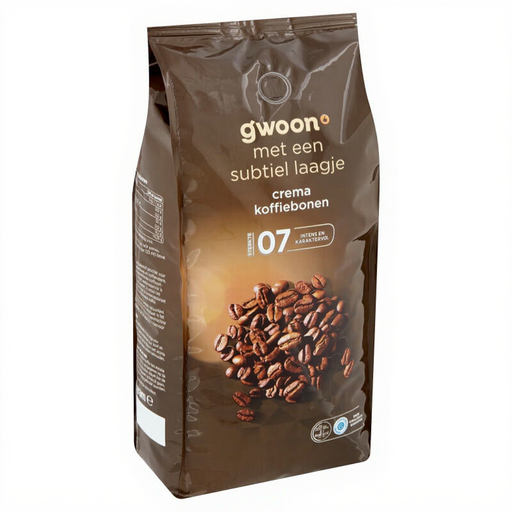
Why This Fits Their Persona: Ideal for those who enjoy a good daily cup of coffee from a super-automatic machine without paying a premium. The large 1kg package is economical, and the focus on 'crema' makes it a reliable choice for cappuccinos and lattes.
You're not paying extra for a top-tier brand, but instead getting a solid, Rainforest Alliance certified bean crafted for a specific and popular flavour profile.
Large 1kg coffee beans package for excellent value. A reliable choice for a creamy crema layer.

Why This Fits Their Persona: For those who want to brew an authentic, powerful Italian espresso at home. This blend is specially developed for an intense flavour and rich body, just like what you'd expect in an Italian bar.
This isn't a vague "100% Arabica" promise. It's a purpose-driven Arabica and Robusta blend explicitly crafted for the intensity and crema that a true espresso requires.
Dark roasted for a powerful flavour with notes of cocoa and wood. The addition of Robusta guarantees a full body and a stable crema.
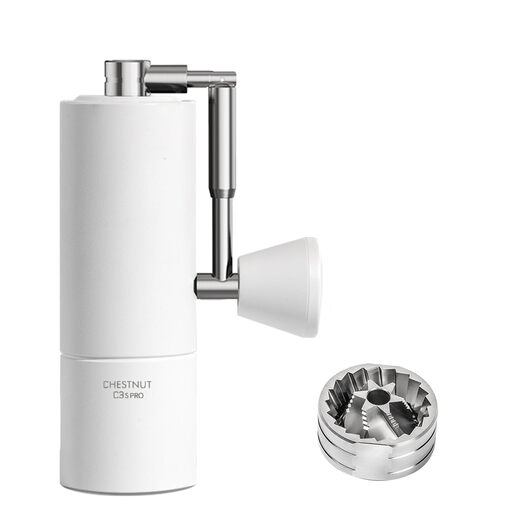
Why This Fits Their Persona: For the coffee lover who wants to get the most out of every bean. With your own coffee grinder, you have complete control over the grind size, which is essential for various brewing methods, from espresso to French press.
Instead of guessing which bean works best in your machine, you take control. This prevents the disappointment of an incorrect grind and opens up a world of coffee beans.
Precision grind settings. The stainless steel conical burrs (S2C) ensure a highly consistent grind, which is crucial for a proper extraction.
We've compiled a complete, up-to-date list of products that fully meet these strict selection criteria and suit a variety of tastes and machines.
The best method is to leave the beans in their original bag, push the air out, and seal the bag tightly with its built-in zip-lock or a clip. Store the bag in a cool, dark, and dry place, like a kitchen cupboard. Avoid the refrigerator or freezer; moisture and temperature fluctuations will degrade the aromas.
Yes, absolutely, but the result will be different. Espresso beans are often roasted darker for a concentrated, intense flavour. When you use them for filter coffee, the taste can be very powerful and sometimes a bit bitter. If you enjoy a strong cup of coffee, it might be a good match. Experiment with a slightly coarser grind size to reduce bitterness.
A coffee grinder with blades (a blade grinder) chops the beans unevenly, resulting in a mix of powder and coarse chunks. This leads to an inconsistent and often disappointing flavour. A grinder with burrs (a burr grinder), whether conical or flat, grinds the beans to a uniform size. This gives you precise control over the grind and is the key to a consistent, flavourful cup of coffee, every single time.
