
Vandaag of morgen in huis

Kwaliteit gegarandeerd

Welkomstaanbiedingen ontgrendelen: GRATIS bezorging | Tot 80% korting | Gratis 30 dagen JoyPlus-proefperiode
Download de app
Choosing the right coffee beans seems simple, until you are faced with a shelf full of intensity ratings, Italian blends, Arabica beans and 500 g or 1 kg packs. A dark roast may taste bold, but that does not automatically mean the coffee is suitable for your bean-to-cup or espresso machine.
Joybuy Product Recommendation Officer helps you reduce marketing terms to verifiable characteristics. This allows you to compare coffee beans based on their blend, roast, intended use and quantity, rather than simply being swayed by eye-catching packaging.
Brands use numbers or terms such as “intense”, “forza” and “fortissimo”. These descriptions are not fully standardised, so an intensity rating from one brand cannot be compared directly with that of another.
So also consider:
Coffee beans labelled crema can produce a generous layer of foam, but the result also depends on the machine, grind size, water temperature and extraction time. A product name containing “Crema” is therefore no guarantee that every machine will produce the same layer.
For espresso, a blend containing Robusta often helps create a fuller mouthfeel and pronounced crema. 100% Arabica may offer softer or more distinctive aromatic notes. Neither blend is suitable for every coffee drinker.
1 kg of coffee beans is practical for an office, large household or catering business with high daily consumption. If you only drink a few cups a week, however, there is a greater risk that the beans will lose their aroma after opening.
When choosing 500 g or larger packs of coffee beans, consider:
Arabica is often chosen for its smoother, more aromatic profile. In an Arabica Robusta coffee bean blend, Robusta can provide a bolder character and more body. Always check the ingredients list: terms such as “Italian coffee beans” say something about the brand’s style or origin, but not necessarily about the exact blend composition.
A 100% Arabica product such as L’OR Espresso Onyx or Lavazza Espresso Italiano may be a better choice if you value aroma over a heavy finish. A blend such as Lavazza Qualita Rossa may appeal to those who switch between espresso and milk-based drinks.
Dark-roasted coffee beans often deliver a pronounced, toasted flavour profile. Product information from various brands may describe notes of chocolate, nuts, wood or spices. Treat these descriptions as an indication of the expected profile, rather than a guaranteed flavour for every brewing method.
For a bold espresso or cappuccino, look for intense coffee beans with a medium-dark or dark roast. For lungo and filter coffee, a milder or medium roast may produce a more enjoyable result.
Coffee beans for bean-to-cup machines should primarily be suitable for the grind size and dosing settings supported by your appliance. Start with the factory setting and adjust the grind gradually. A grind that is too fine can lengthen the extraction time, while a grind that is too coarse can produce a thinner espresso.
Coffee beans for espresso are not always intended exclusively for espresso machines. According to some product descriptions, certain products are also suitable for a moka pot, filter coffee machine or French press. Always check the product information and adjust the grind to suit your brewing method.
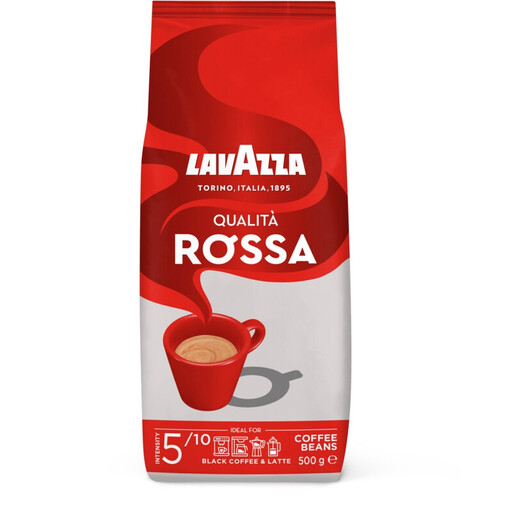
Why it suits this profile: The 500 g pack is a manageable size for home use. According to the product information, the blend contains Arabica and Robusta and is suitable for espresso, filter coffee and manual brewing.
You do not have to buy a 1 kg bag straight away. The ingredients and suggested uses are clearly stated.
Arabica Robusta blend; 500 g; suitable for several brewing methods; stated notes of chocolate and nuts.
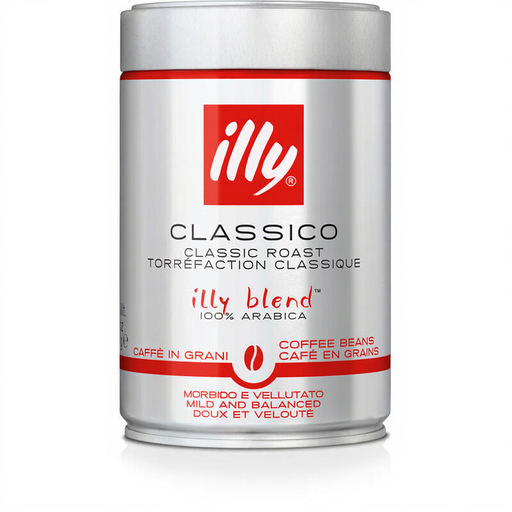
Why it suits this profile: If you are looking for a 100% Arabica blend with a medium roast, this smaller pack gives you the opportunity to try a more refined flavour profile without building up a large stock.
The smaller quantity reduces the risk of storing the beans for too long after opening. The blend and roast are clearly described.
100% Arabica; medium roast according to the product information; suitable for espresso, moka and filter coffee; 250 g.
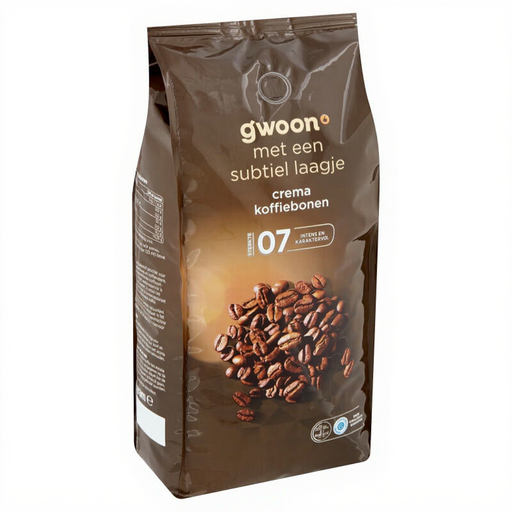
Why it suits this profile: A 1 kg bag is practical for offices, large households and other situations with high daily consumption. According to the product information, these are 100% coffee beans.
The large pack only makes sense if consumption is high. Making that choice in advance helps you avoid unnecessary stock.
1 kg contents; 100% coffee beans; product information states Rainforest Alliance certification; suitable for regular use.
We have put together a complete, up-to-date list of products that fully meet these strict selection criteria and the applicable European safety regulations.
After opening, store coffee beans in their original, tightly sealed packaging in a cool, dry and dark place. Avoid heat sources, moisture and direct sunlight. Always follow the information on the label; the packaging states the current best-before date and any additional instructions.
Only grind the amount you need. Espresso generally requires a finer grind than filter coffee. Adjust just one setting at a time, so you can assess its effect on flavour and extraction time.
Choose beans that the product information states are suitable for espresso or fully automatic coffee machines. The machine then determines the grind size and dose. A blend containing Robusta may suit those looking for a bolder espresso and pronounced crema; 100% Arabica is an option for a smoother, more aromatic profile.
The exact period depends on the packaging, storage conditions and consumption. Always seal the bag securely and store it somewhere dry, cool and away from light. It is better to buy 500 g if you drink little coffee, and choose 1 kg when several people drink coffee every day.
Dark-roasted coffee beans often taste more intense and smoky, but “stronger” can refer both to flavour and caffeine. Roast level alone therefore does not provide the full picture. Also check the Arabica or Robusta blend and choose beans that suit espresso, cappuccino, latte or filter coffee.
