
Vandaag of morgen in huis

Kwaliteit gegarandeerd

Welkomstaanbiedingen ontgrendelen: GRATIS bezorging | Tot 80% korting | Gratis 30 dagen JoyPlus-proefperiode
Download de app
Buying coffee beans seems simple, until you have to choose between Arabica, Robusta, different roasts and pack sizes. A dark roast does not automatically taste stronger, and a 500 g pack is not always better value if you use the beans slowly. The right grind, machine and storage method also affect the coffee in your cup.
As a Joybuy Product Recommendation Officer, I filter the most important product information so you can tell marketing terms apart from verifiable features. Below, you’ll find what to look for in espresso beans, beans for a fully automatic machine and options for filter coffee.
Words such as “intense”, “forte” or “strong” usually refer to flavour, roast or body. They don’t automatically tell you how much caffeine the coffee contains. Dark-roasted beans can have a bitter, roasted flavour, while a lighter roast may bring out fruitier or milder notes.
If you want less caffeine, look specifically for decaffeinated coffee beans and check the product information. A label saying Arabica alone does not mean the coffee is decaffeinated.
The front often gives a flavour name, but not always the full composition. So check:
For claims about flavour or brewing results, the product description is the relevant source. According to a brand’s product information, for example, certain beans may have notes of cocoa, nuts or wood. This is the brand’s description, not a guarantee of how they will taste to everyone.
A kilo of coffee beans may seem appealing for a household or office, but opened beans gradually lose their aroma. If you drink only a few cups a week, a 500 g pack may be more practical. Store the beans in an airtight container in a cool, dry place, away from sunlight and heat. Don’t routinely keep them in the fridge if the packaging is likely to develop condensation or absorb odours.
Arabica coffee beans are often chosen for their smoother, more aromatic flavour profile. Robusta coffee beans can contribute a stronger character and a thicker crema, according to product descriptions. A blend combines the two varieties and can work well for espresso, cappuccino and latte.
There’s no one-size-fits-all choice. A distinctive blend can be enjoyable in a black espresso, while a 100% Arabica option may appeal if you prefer a milder cup or drink lungo.
The roast affects aroma, acidity and bitterness. Dark-roasted beans often give a full-bodied, roasted impression. A medium roast can leave more room for the bean’s original flavour characteristics to come through.
Bear in mind that intensity scales vary from one brand to another. A score of 6/10 from one brand is not necessarily the same as 6/10 from another. Use the score as a guide, and consider the type of bean and the recommended brewing method too.
Coffee beans need to be ground before use, unless your system has a built-in grinder. Espresso machines usually need a fine grind. A coarser grind is common for filter coffee. The wrong grind size can have a significant effect on brewing time and flavour.
Also check whether the product information mentions your brewing method. The L’OR Espresso Fortissimo is described as suitable for espresso machines, moka pots and coffee makers. This does not mean every machine needs the same setting.
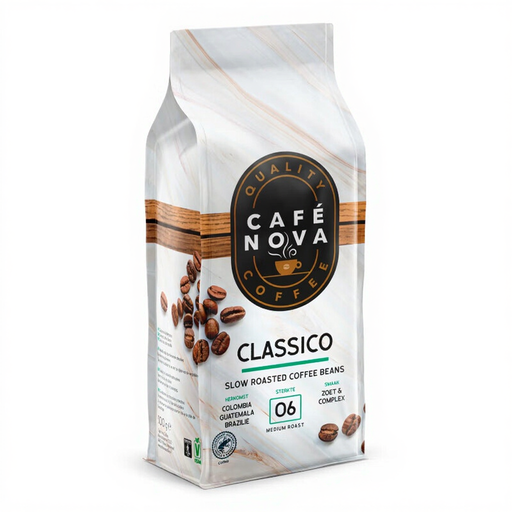
Why it suits this profile: The 500 g pack is a manageable size for everyday use, and the stated intensity of 6 is an approachable starting point if you want to explore different flavours.
The product information clearly identifies these as coffee beans and states the 500 g pack size, so you won’t accidentally order instant coffee or a different size.
500 g of coffee beans; Rainforest Alliance certified, according to the product information.

Why it suits this profile: This Italian blend is described in the product information as 100% Arabica, and is aimed at espresso lovers who enjoy a full-bodied flavour.
The composition is clearly stated as 100% Arabica, so you don’t have to rely on an intensity label alone.
100% Arabica according to the product listing; 500 g pack; intended for espresso.
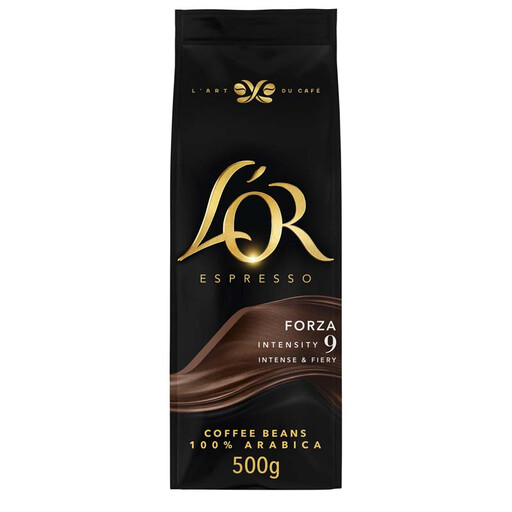
Why it suits this profile: The product description states that these are dark-roasted beans suitable for fully automatic coffee machines. This makes them a good fit for households and offices that make several espressos a day.
The recommended use and roast are stated in the product information. Check that your machine handles dark beans correctly, and adjust the grind size as needed.
Dark roast according to the product listing; suitable for fully automatic coffee machines; 500 g pack.
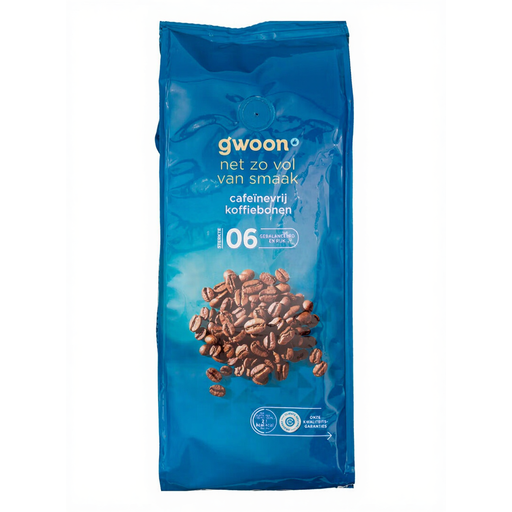
Why it suits this profile: The product name and information identify these as decaffeinated coffee beans. This makes them a targeted choice for times when you don’t want to use regular coffee beans.
The decaffeinated label is clearly displayed on the product. Always check the current packaging and stated caffeine content before buying.
500 g; 100% coffee according to the product information; suitable for use in a separate grinder or machine.
We’ve put together a full, up-to-date list of products that meet these strict selection criteria and current European safety regulations.
Choose beans whose product information mentions a fully automatic coffee machine. Also consider the roast. Very dark beans can have more oil on the surface, so follow the manufacturer’s maintenance instructions and clean the grinder regularly.
Shelf life varies depending on the packaging and how the beans are stored. Seal the pack tightly and keep the beans in a cool, dry place away from direct light. Check the packaging for the official date. The flavour can gradually change after opening, especially if the bag is opened frequently.
Not always. The final flavour also depends on origin, roast, blend and brewing method. Arabica is often associated with a more aromatic profile, while Robusta can add more strength and crema, according to product descriptions. So compare the full composition rather than relying on the name on the pack alone.
