
Vandaag of morgen in huis

Kwaliteit gegarandeerd

Welkomstaanbiedingen ontgrendelen: GRATIS bezorging | Tot 80% korting | Gratis 30 dagen JoyPlus-proefperiode
Download de app
Choosing the right coffee beans seems simple, until you’re faced with dozens of varieties. A dark roast doesn’t automatically mean a stronger-tasting coffee, and a large pack isn’t always better value if you use the beans slowly. Terms such as “full-bodied”, “rich aromas” and “barista quality” only tell you so much unless they’re backed up by verifiable information.
This buying guide covers the key things to look for in coffee beans, including the blend, roast, packaging and suitability for your machine. You’ll also find recommendations for different needs.
An intensity rating, such as 6/10 or 12, usually describes the flavour profile and roast. It isn’t a direct measure of caffeine content. Strong coffee beans are often roasted darker and have a more powerful flavour, but the final result also depends on the grind size, amount of coffee and brewing method.
A 1 kg bag of coffee beans can be handy for a household with several coffee drinkers or for an office. If you only use them occasionally, 500 grams may be more practical. Once opened, beans gradually lose their aroma, especially if the pack isn’t sealed properly. So check the seal, best-before date and storage advice on the packaging.
Words such as “authentically Italian”, “rich crema” or “premium blend” aren’t standardised measures of quality. Instead, look at the ingredients list, the proportion of Arabica or Robusta, the roast and the recommended brewing method. If a brand makes a claim about flavour or performance, that’s information from the brand, not a universal test result.
Arabica coffee beans are often chosen by people looking for a smoother, more aromatic flavour profile. According to the product information, Lavazza Espresso Barista Perfetto is made from 100% Arabica and has a stated intensity of 6/10, with floral and chocolate notes.
Arabica and Robusta coffee beans combine two types of bean. Robusta is often used for a stronger profile and a richer crema, while Arabica can add aromatic notes. According to their product descriptions, Lavazza Espresso Barista Intenso and L’OR Espresso Fortissimo are blends of Arabica and Robusta.
The roast level doesn’t guarantee a particular flavour. Your grinder settings, dose and extraction time also make a difference.
Check that the beans are suitable for your machine:
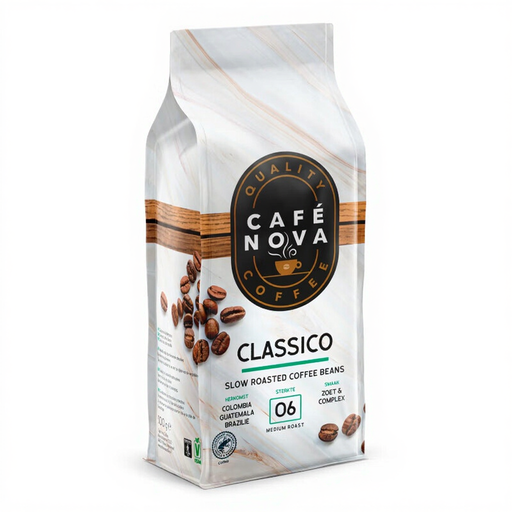
Why it suits this profile: A 500-gram pack is a manageable size if you want to try different coffee beans without buying a large quantity straight away.
You don’t have to rely solely on a high intensity claim. The variety is labelled Classico 6 and, according to the product information, contains coffee beans with no listed additions.
500 grams; according to the product information, made with carefully selected coffee beans and featuring a Rainforest Alliance reference.

Why it suits this profile: This 100% Arabica variety is intended for a milder espresso or lungo, with floral and chocolate notes according to the product information.
The blend and stated intensity of 6/10 are clearly listed, so you don’t have to rely on general claims such as “aromatic” alone.
100% Arabica; 500 grams; described as suitable for espresso and lungo.

Why it suits this profile: A good choice if you like a pronounced espresso, cappuccino or other milk-based coffee.
The Arabica and Robusta blend and dark roast are listed, making it easier to choose a more powerful flavour profile.
Arabica and Robusta blend; dark roast; suitable for espresso and cappuccino according to the product information.
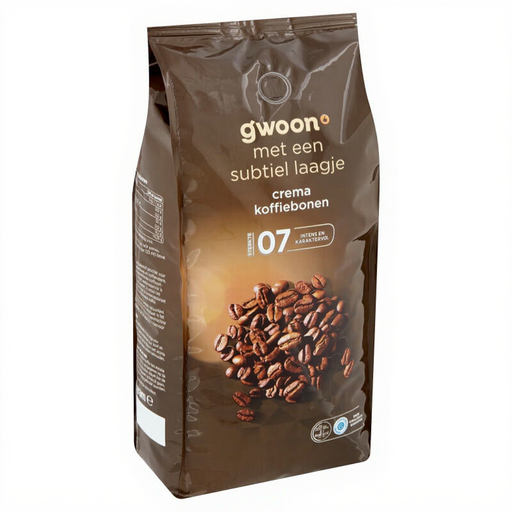
Why it suits this profile: A kilo is practical when several people drink coffee every day and you regularly refill your grinder or bean-to-cup machine.
The pack lists 100% coffee and Rainforest Alliance certification. Be sure to seal the opened bag well and store it in a cool place.
1000 grams; 100% coffee according to the ingredients list; Rainforest Alliance reference in the product information.
We’ve put together a complete, up-to-date list of products that meet these strict selection criteria and the relevant European safety requirements.
Store coffee beans in a cool, dry place, away from direct sunlight, heat and moisture. Seal the pack carefully after each use. Don’t use a product if its packaging is damaged, and always follow the latest information on the label.
Regular cleaning helps prevent a build-up of old coffee and oil residue in a bean-to-cup machine. Don’t set your grinder to an extremely fine setting straight away. Adjust the grind gradually, then check the extraction time and flavour. This helps you avoid dismissing a new bean unfairly because your machine settings weren’t right.
Choose beans whose product information explicitly says they’re suitable for a fully automatic coffee machine. According to its product description, Cafe Nova Ultimate Strength 12 is suitable for bean-to-cup machines and coffee grinders. Also check the instructions for your own machine.
This depends on the packaging, how the beans are stored and how quickly you use them. The best-before information on the pack is the best guide. Seal the bag tightly and store the beans somewhere dry and out of direct sunlight. A smaller pack, such as 500 grams of coffee beans, may be more practical if you only drink a little each day.
No. “Italian” often refers to the origin, brand positioning or espresso style, and doesn’t automatically tell you how intense the coffee will taste. Compare the roast, blend and stated intensity. For example, 100% Arabica beans may taste milder than a dark-roasted Arabica and Robusta blend.
