
Vandaag of morgen in huis

Kwaliteit gegarandeerd

Welkomstaanbiedingen ontgrendelen: GRATIS bezorging | Tot 80% korting | Gratis 30 dagen JoyPlus-proefperiode
Download de app
Buying coffee beans seems straightforward, until you're faced with a shelf or online shop full of dozens of different varieties. A high intensity score, Italian branding or words like "premium blend" don't always tell you whether the beans will suit your taste and coffee machine. And a large pack isn't automatically good value if you use it slowly and the aroma fades.
In this buying guide from the Joybuy Product Recommendation Officer, you'll find practical points to consider for coffee beans 500g, espresso coffee beans, Arabica coffee beans and Robusta coffee beans. The selection below is based on verifiable product information, such as branding, roast level, composition, packaging and recommended use.
A score of, say, 8, 9, 11 or 12 mainly tells you about the strength of flavour as the brand defines it. It's not a universal quality standard. Dark roast coffee beans often give a stronger, more bitter flavour profile, while medium roast coffee beans usually leave more room for aromas and milder notes.
So don't just look at the number. Also check whether it's Arabica, Robusta or a blend, and whether the described flavour matches your everyday coffee.
Italian coffee beans are often associated with espresso, but the right choice also depends on your machine. A blend for espresso can work well in a bean-to-cup machine, but for filter coffee a lighter roast might be more pleasant. Pay attention to the brewing method mentioned on the packaging or product page.
A pack of coffee beans 500g is practical for regular use. If you only drink a few cups a week, the bag stays open for longer. Store coffee beans in a cool, dry place, away from direct sunlight and keep them well sealed. Don't put them in the fridge as a matter of course: moisture and temperature changes can affect the flavour.
Arabica coffee beans are often chosen for their softer, more aromatic profile. Robusta coffee beans can provide a stronger flavour and more body. A blend combines both characteristics. According to the product information, Lavazza Espresso Barista Intenso is a blend of Arabica and Robusta and is dark roasted.
Check the ingredients list. If it says "100% coffee beans", no added flavourings are listed. For products with sustainability information, such as Rainforest Alliance, you can check the reference to the relevant organisation on the packaging.
These terms aren't fully standardised. So use them together with the intensity score and flavour profile. An intensity of 6/10, as stated for Lavazza Espresso Barista Perfetto, indicates a different positioning from a blend with a score of 11 or 12.
For coffee beans for bean-to-cup machines, even grind settings and a suitable bean are important. Follow your machine's instructions and adjust the grinder step by step. For coffee beans for espresso machines, grind size, dose and brew time all play a major role. Only buy whole beans if you have a built-in grinder or a separate coffee grinder.
Filter coffee requires a coarser grind than espresso. Some packs mention several brewing methods, but always check the instructions from your machine's manufacturer.
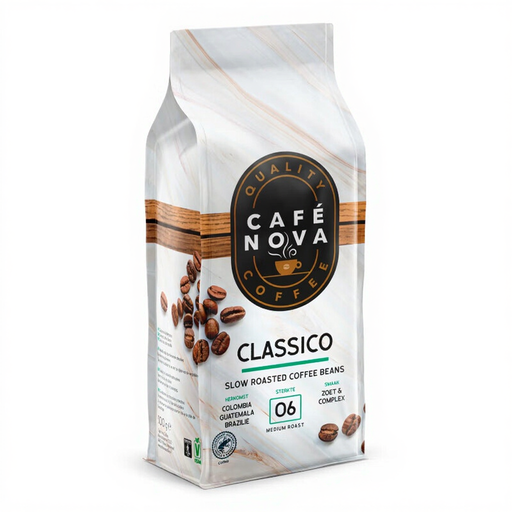
Why this suits the profile: A 500g pack and intensity 6 are ideal for anyone looking for an accessible bean for everyday use.
The product information lists coffee beans as the ingredient and makes no complicated flavour claims. The intensity gives you a concrete point of comparison.
500g, intensity 6 and, according to the product information, Rainforest Alliance-certified coffee beans.

Why this suits the profile: According to the product description, this 100% Arabica blend is designed for a milder, more aromatic espresso.
The composition and intensity 6/10 are clearly stated. So you don't have to rely solely on the Italian branding.
100% Arabica, 500g and, according to the product information, suitable for espresso or lungo.
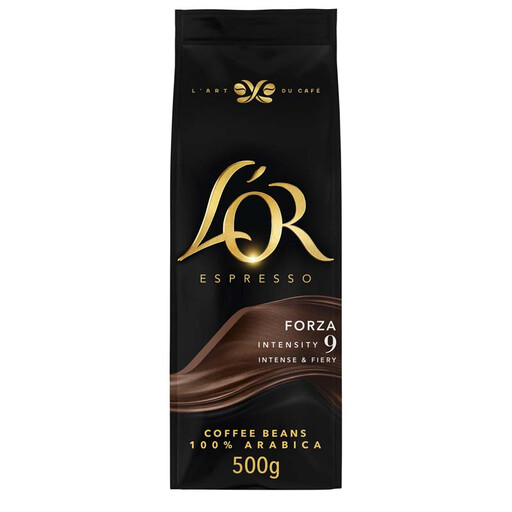
Why this suits the profile: The dark roast and espresso profile appeal to lovers of strong coffee from a bean-to-cup machine.
The roast, flavour notes and suitability for a fully automatic coffee machine are all clearly described.
Dark roast, flavour notes including oak, wine, spices and chocolate, plus a 500g pack.
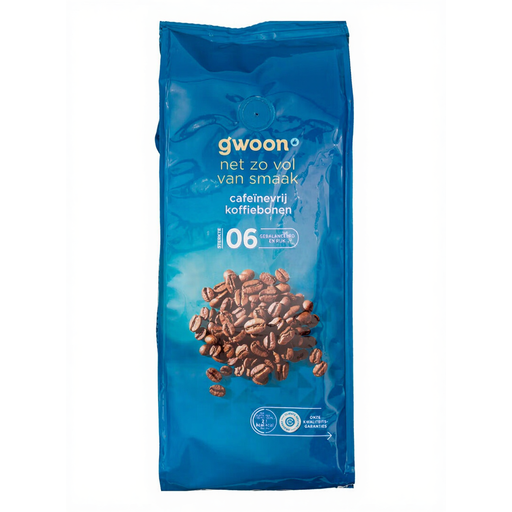
Why this suits the profile: A practical choice for households that want to use regular coffee beans and decaffeinated coffee beans side by side.
The product name and ingredients information make it clear these are decaffeinated coffee beans. Always check the current packaging before purchase.
500g and, according to the product information, 100% coffee, with no mention of the 14 main EU allergens.
We've put together a full, up-to-date list of products that fully meet these strict selection criteria and current European safety regulations.
The best-before date is on the packaging. After opening, quality usually gradually declines due to exposure to air, heat, light and moisture. Seal the bag well and store it according to the manufacturer's instructions. Buy a pack that matches your consumption: 500g for regular use and a smaller amount if you don't drink much coffee.
Look at the product description and search for an explicit mention of a fully automatic coffee machine or bean-to-cup system. According to their product information, Cafe Nova Ultimate Strength 12 and L'OR Espresso Forza are listed as suitable for bean-to-cup machines. Adjust the grind setting carefully and clean the machine regularly as per the manual.
Not always. Compare the price per 100g or per kilogram and look at how many cups you get from a pack. A larger bag can be better value for daily use, but waste from loss of aroma reduces the benefit. Also pay attention to your coffee machine's dose and the brewing method you choose.
